
How To
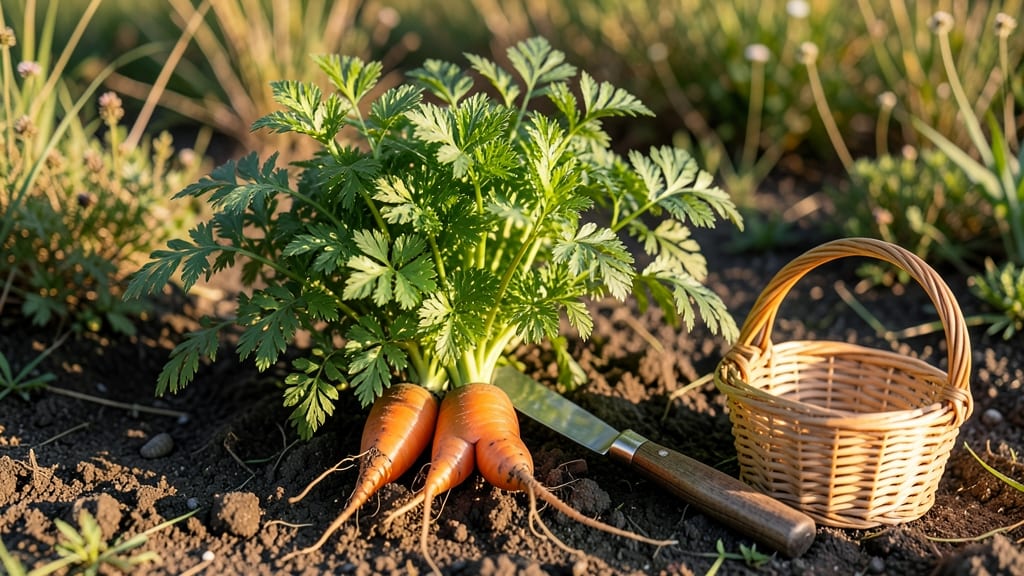
Harvesting carrots from seeds takes about 60 to 80 days—but the exact timing depends on your variety, soil, and climate. If you’ve ever stared at your garden wondering, "Are they ready yet?" you’re not alone.
The wait can feel endless, especially when those tiny 🥕 sprouts peek through the soil. But with the right timing, you’ll pull out sweet, crisp roots at their peak.
Below, I’ll break down the month-by-month growth stages and the key signs to watch for so you never harvest too early—or too late.
From germination to maturity, carrots go through distinct phases, each with its own timeline. Some varieties mature faster, while others need extra weeks, and soil conditions can speed things up or slow them down. Understanding these factors ensures you’re ready when those roots are finally harvest-ready.
You’ll learn how to check for readiness—whether it’s leaf size, root diameter, or soil resistance—and how to adjust care to meet your preferred harvest window. No more guessing, just a foolproof plan for a perfect 🥕 harvest.
Carrot growth stages from seed to harvest: month-by-month timeline
Growing carrots from tiny seeds to harvest-ready roots is a rewarding process that requires patience and attention to detail. Understanding each growth stage helps you anticipate milestones and adjust care accordingly.
Whether you're planting cold-hardy varieties in early spring or warm-season types in summer, timing is everything for a successful harvest.
Carrots typically take 60 to 80 days from seed to harvest, but this timeline can shift based on climate and variety. For example, Danvers carrots mature in about 70 days, while Nantes varieties may take closer to 75 days.
Cooler temperatures slow growth, while warm, sunny days speed things up—so adjust your expectations based on your local growing season.
Month-by-month tracking ensures you don’t miss critical phases like germination, leaf development, or root expansion. Below, we’ll break down each stage, including what to expect and how to optimize conditions for the best results.
🌱 Pro Tip: Start seeds indoors 4-6 weeks before your last frost date to get a head start, especially in cooler climates.
| Stage | Timeframe (Days) | Key Milestones | Care Tips |
|---|---|---|---|
| Germination | 7-14 | Seeds sprout; first green leaves appear | Keep soil moist; thin seedlings to 2-3 inches apart |
| Seedling Growth | 14-30 | Leaves reach 4-6 inches; roots begin forming | Thin to 3-4 inches apart; add mulch to retain moisture |
| Root Expansion | 30-50 | Roots thicken; tops grow to 6-8 inches | Water deeply 1-2 times weekly; avoid fertilizing |
| Maturity | 50-80 | Roots reach 3/4-1 inch diameter; leaves fully developed | Harvest before roots become woody; pull gently by leaves |
In early spring (March-April), focus on cold-hardy varieties like Chantenay or Imperator. These types tolerate cooler soil temperatures and can germinate as early as 40°F. Use row covers to protect seedlings from late frosts, which can stunt growth or cause rot.
By late spring to early summer (May-June), shift to warm-season varieties like Nantes or Paris Market. These thrive in 60-80°F soil and grow faster in consistent warmth. If your region experiences heatwaves, provide afternoon shade to prevent bolting (premature flowering), which ruins root development.
For a fall harvest, plant seeds in July-August in cooler climates. Varieties like Danvers or Goldenball handle shorter days well and mature before the first frost. In warmer zones, extend the season by planting short-day varieties like Solar Yellow, which tolerate heat better.
Pay attention to leaf color and root size as key indicators. Healthy leaves should be deep green, and roots should reach 3/4 to 1 inch in diameter. If leaves yellow or roots fork (split), adjust soil conditions—carrots need loose, rocky-free soil to grow straight.
🌿 Climate Tip: In hot, dry climates, mulch heavily to retain moisture and prevent roots from drying out. In wet climates, improve drainage to avoid rot.
Finally, harvest at the peak of flavor, which occurs when roots are firm and sweet. Use a garden fork to loosen soil around roots before pulling gently by the leaves. Store harvested carrots in cool, dark conditions for up to 3 weeks to maintain crispness.
How to tell when carrots are ready for harvest (without guessing)
Harvesting carrots at the perfect moment means the difference between a crisp, sweet root and a woody, bitter one. Most varieties take 70-80 days from seed to harvest, but visual cues—not just days—tell the real story.
Start by checking the leaf size and root diameter to avoid common mistakes like pulling them too early or leaving them too long in the ground.
One of the easiest ways to gauge readiness is by comparing the carrot tops to the roots below. When the foliage reaches 6-8 inches tall, the roots should be 3/4 to 1 inch in diameter.
This balance ensures optimal flavor and texture. If you’re unsure, dig up one carrot for a quick check—this prevents over- or under-harvesting the entire batch.
⚠️ Warning: Harvesting Too Late Ruins Carrots!
Leaving carrots in the ground past their prime causes bitterness and toughness. After 80 days, roots often split or become woody. Cold snaps also trigger early bolting (flowering), making them inedible. Check soil temps—if they drop below 40°F, harvest immediately or protect with row covers.
For a foolproof test, gently grasp a carrot’s top foliage and tug upward. If the skin resists your thumb pressure, it’s ready. If it pulls out easily, it’s still too small. This method works best in loose, well-drained soil—compacted dirt can make roots forked or misshapen, delaying harvest readiness.
Don’t ignore the color and texture of the leaves, either. Healthy carrot tops should be vibrant green and upright. Yellowing or wilting leaves signal stress, often from overwatering or pests.
If you spot aphids or carrot rust flies, harvest immediately to prevent damage. A quick rinse removes dirt, leaving you with a clean, ready-to-eat root.
Seasonal timing matters too. Spring-planted carrots often mature faster in warm soil, while fall varieties may take longer in cooler weather. Adjust your harvest window by 1-2 weeks based on your climate.
For example, in Zone 5, aim for a late May harvest for spring plantings, but shift to early September for fall crops.
Finally, remember that smaller carrots (like Paris Market or Little Finger varieties) mature faster—often in 50-60 daysDanvers) need the full 70-80 days. Plan accordingly, and you’ll always know exactly when to pull the perfect carrot from the soil. 🥕