
Propagation
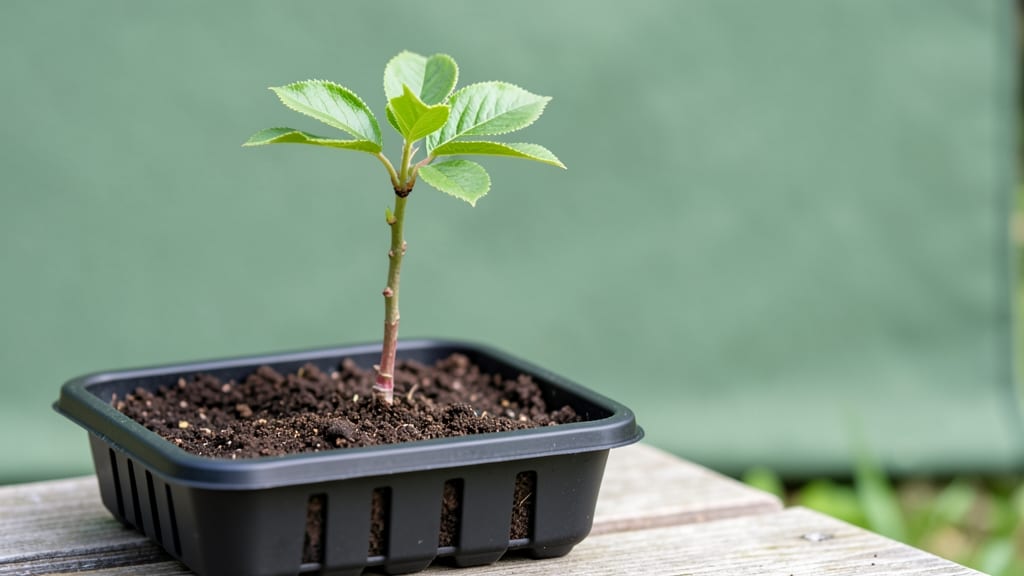
Growing a cherry tree 🌳 from seed takes 5 to 10 years to reach fruit-bearing maturity, a timeline that surprises many gardeners used to faster-growing plants.
You might start with a tiny seed in spring, but the real magic happens in the years that follow—each season bringing new growth, challenges, and milestones. Unlike grafted varieties, seed-grown cherries develop their own unique traits, but patience is key to seeing those first sweet fruits.
This guide breaks down the exact stages your cherry tree will go through, from the first sprout to a mature tree ready for harvest. We’ll cover soil prep, climate factors, and care tips that can shave years off the waiting game.
Whether you’re planting for shade, beauty, or future fruit, understanding the timeline helps set realistic expectations—and keeps you motivated through the slow but rewarding process.


Year-by-year growth timeline for cherry trees from seed to fruit-bearing
Growing a cherry tree from seed is a marathon, not a sprint. Unlike grafted varieties that produce fruit in 3–5 years, seed-grown cherries often take 7–10 years to bear fruit.
The journey involves distinct stages—from tiny sprouts to towering saplings—each requiring specific care. Understanding this timeline helps set realistic expectations and ensures you provide the right conditions for success.
Your first year focuses on germination and establishing a strong root system. Seeds typically sprout in 4–8 weeks when kept in 60–70°F soil and consistent moisture. By fall, your seedling will be 1–2 feet tall with a delicate stem, ready for winter protection.
Patience is key here—rushing growth can stress the young plant.
Year two brings noticeable height gains, with saplings reaching 3–5 feet if given full sun and well-draining soil. This is when you’ll see lateral branch development, setting the stage for future canopy structure. Prune sparingly to encourage a strong central leader, avoiding over-trimming which can stunt growth.
By year three, your cherry tree will surge to 6–10 feet, with thicker trunks and denser foliage. This is the critical maturation phase where roots deepen and the tree prepares for flowering.
Monitor for pest pressure (like aphids or borers) and apply organic sprays if needed. Mulch heavily to retain moisture and nutrients.
The 4th and 5th years are where things get exciting—your tree may finally produce flower buds, though fruit may not yet develop. These buds appear in late winter as swollen pink or red clusters.
Unfortunately, seed-grown cherries often don’t reliably fruit until year 7–10 because their genetics aren’t optimized for fruit production. Grafting with a fruiting variety can cut this timeline in half.
Here’s a clear breakdown of what to expect each year, including key milestones and care adjustments:
Environmental factors like climate zone, soil quality, and water availability dramatically affect growth speed. For example, cherry trees in USDA Zone 7–9
Critical factors that speed up or delay cherry tree fruit production
Your cherry tree's journey from seed to fruit-bearing fruit isn't just about time—it's heavily influenced by soil quality, climate conditions, and your care habits.
While seed-grown trees typically take 5–10 years to produce fruit, some factors can accelerate this timeline by up to 2–3 years, while others may delay it indefinitely. Let's break down the key variables that determine your tree's fruiting success.
First, soil quality plays a foundational role. Cherry trees thrive in well-draining, slightly acidic soil (pH 6.0–6.5). Poor soil with compacted clay or high alkalinity can stunt root development, delaying flowering by 3+ years.
I recommend testing your soil and amending it with compost and organic matter to create an ideal growing medium. Even a small improvement in drainage can make a noticeable difference in early growth stages.
The climate zone where you live also dictates your tree's progress. Cherry trees need chill hours (300–1,000 hours below 45°F) to trigger flowering. If you're in a warmer zone (USDA 8+) without sufficient winter chill, your tree may never produce fruit.
In colder regions (USDA 5–7), trees mature faster because the chill requirement is naturally met. For example, a tree in Zone 6a might bear fruit in 6–8 years, while one in Zone 9 could take 10+ years or never fruit at all.
Factors Affecting Cherry Tree Fruit Production
- Well-draining soil: Faster root growth
- Full sun exposure: 6+ hours daily
- Regular pruning: Encourages strong branches
- Balanced fertilizer: NPK 10-10-10 in spring
- Proper chill hours: 500–1,000 hours below 45°F
- Poor soil: Compacted clay or high pH
- Partial shade: Less than 4 hours of sun
- Over-pruning: Removing too many branches
- Insufficient water: Drought stress slows growth
- Lack of chill hours: Warmer climates (Zone 8+)
Watering habits are another critical factor. Inconsistent watering—whether underwatering or overwatering—can stress your tree and delay fruiting. Young seedlings need deep, weekly watering to establish roots, while mature trees require 1–1.5 inches per week during dry spells.
I’ve seen trees in drought-prone areas take 4+ extra years to fruit because their energy goes into survival rather than flowering. Use a drip irrigation system to maintain consistent moisture without over-saturating the soil.
Pruning techniques also impact your cherry tree's timeline. Improper pruning—like cutting too aggressively or at the wrong time—can weaken the tree and push back flowering by 2–5 years. Focus on removing dead or diseased branches in late winter and thinning out crowded growth in early spring.
This encourages a strong, open canopy that receives sunlight evenly, which is essential for flower and fruit development. Avoid heavy pruning after July 1st, as this can stimulate new growth that won’t harden off before winter.
Finally, the seed variety you choose matters. Some cherry seeds come from wild or ornamental varieties that may never produce edible fruit, while others (like Sweetheart cherry or Stella cherry) are bred for faster fruiting.
If you're growing from a seed you saved from a store-bought cherry, expect a longer wait (8–10 years) because these seeds often carry traits that delay flowering. For faster results, consider grafting a fruiting variety onto your seedling once it reaches 1–2 inches in diameter.
By focusing on these key factors—soil, climate, water, pruning, and variety—you can optimize your cherry tree's growth and potentially shave years off its fruiting timeline.
Even small adjustments, like improving drainage or ensuring full sun exposure, can make a significant difference in whether your tree bears fruit in 6 years or 10+ years. 🌳