
How To
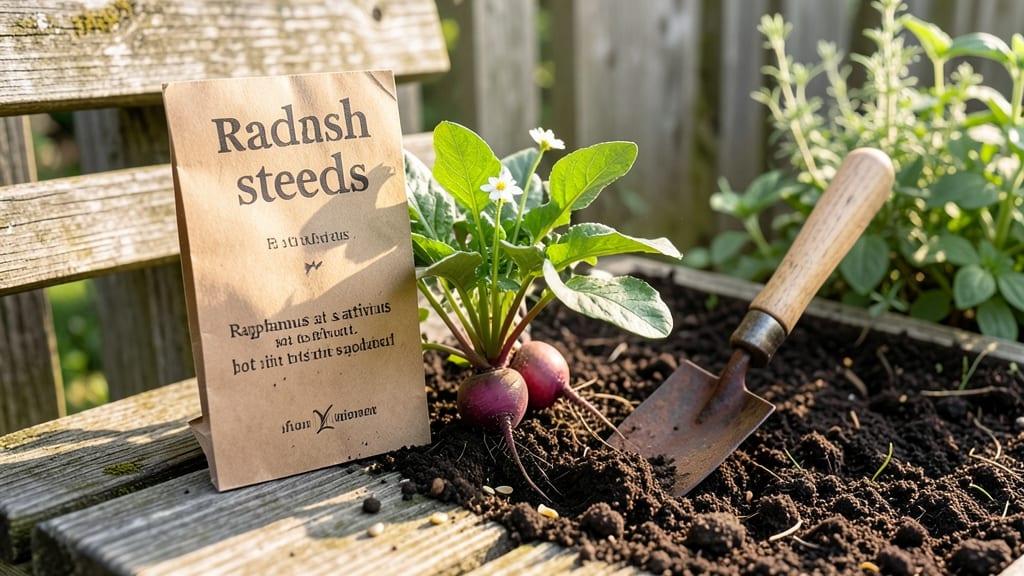
How long it takes for a seed to grow depends entirely on the plant type, with fast-sprouting varieties like radishes appearing in just 3 days, while slow-starting trees like oaks can take 30+ days. The process also hinges on soil quality, moisture levels, and environmental conditions.
Every gardener knows patience is key, but some seeds push the limits. 🌱 For instance, lettuce typically breaks through soil in 7-14 days when conditions are ideal, while beans show up in 5-10 days—perfect for quick harvests.
The real game-changer is temperature: most seeds need soil between 60-85°F to germinate efficiently. Even a few degrees below that can stretch timelines by weeks, which is why I always check my soil thermometer before planting. Pro tip?
Soaking seeds overnight in warm water can cut germination time by up to 30% for stubborn varieties like parsley.
What surprises many beginners is how drastically container size affects growth speed. Seeds planted too deep often take longer to emerge because they must push through more soil. 🌿 For example, tiny carrot seeds should only go ¼-inch deep, while larger beans can handle 1-inch depth.
The moisture balance is equally critical—overwatering suffocates seeds, while too little prevents them from absorbing what they need. That's why I use a spray bottle for delicate seedlings rather than a heavy watering can.
💡 In This Article
- Germination Timeline for Common Garden Seeds
- Accelerating Seed Growth with Pro Tips
Germination timeline for common garden seeds
The germination journey begins with a seed's internal clock and its species-specific design.
For example, radishes—one of the fastest growers—can push through soil in just 3-5 days when conditions are perfect, thanks to their tiny size and high moisture tolerance. 🌱 This speed is possible because radish seeds contain enzymes that activate quickly in warm, moist environments, breaking down stored nutrients in just 24-48 hours.
Compare that to oak trees, where the first leaves might not appear for 30+ days because their seeds need to develop a strong root system first to survive in shaded forest conditions.
Temperature acts as the germination speed controller, with most seeds preferring soil between 60-85°F. Lettuce seeds, for instance, germinate in 7-14 days at 70°F but may take 3-4 weeks if soil temperatures drop to 50°F. The reason?
Enzymes that break down seed coatings work 2-3 times faster at optimal temperatures. Even a 5°F drop can double germination time for delicate plants like basil, which typically emerges in 10-14 days but may take 3-4 weeks in cooler springs.
Seed size and structure create another layer of complexity. Large seeds like beans contain more stored energy, allowing them to germinate in 5-10 days even with less frequent watering. Their thick seed coats protect against moisture loss while still allowing oxygen through microscopic pores.
Tiny seeds like parsley, however, need near-perfect conditions to avoid drying out during germination, which is why they often take 14-21 days—sometimes longer if soil moisture fluctuates.
Light exposure plays a surprising role too. Some seeds like lettuce need darkness to germinate properly, while others like marigolds require light to trigger sprouting. This explains why covering seeds with ¼-inch of soil works for beans but fails for sunflowers, which need light to break dormancy.
The science behind this involves a plant hormone called phytochrome, which detects light and signals the seed whether to grow upward or remain dormant.
Don't overlook the power of seed age—older seeds often germinate slower because their viability decreases over time. For instance, a 2-year-old tomato seed might take 14-21 days to sprout compared to 6-10 days for fresh seeds.
The reason? The seed's protective layers become more resistant to moisture absorption as oils and proteins degrade. That's why I always store seeds in airtight containers with silica gel packets in my cool, dark basement.
Finally, soil composition matters more than most gardeners realize. Sandy soils drain too quickly, while clay holds excess moisture that can suffocate seeds. The ideal mix—like 60% topsoil, 30% compost, and 10% perlite—provides the perfect balance of aeration and moisture retention.
This combination helps seeds like zucchini germinate in 5-7 days versus 10-14 days in poor-quality soil.