
Propagation
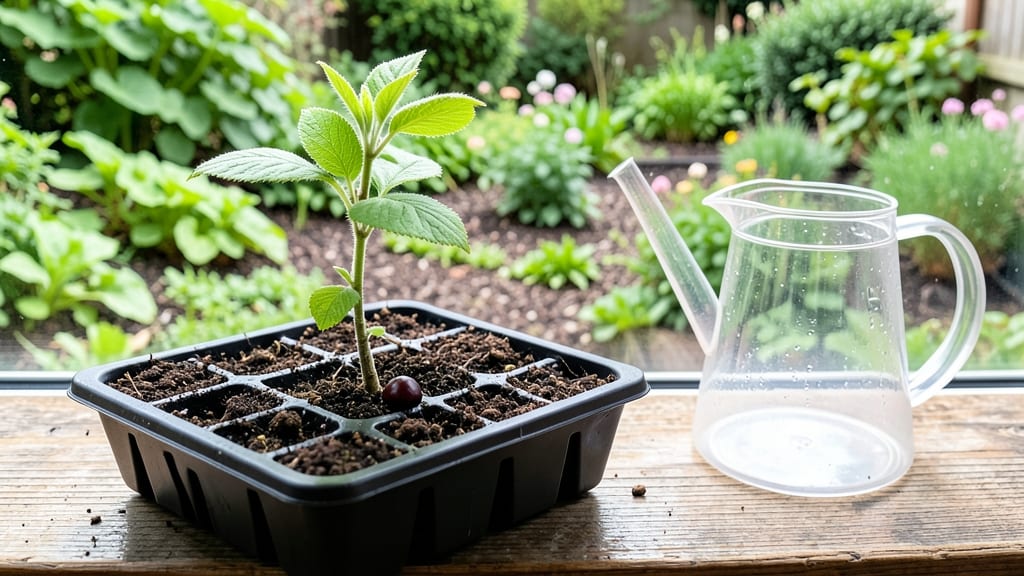
Germinating a cherry seed can take anywhere from 30 to 90 days—but only if you trick it into thinking winter has passed.
Ever wondered why that cherry pit you spit out last summer still hasn’t sprouted? The truth is, cherry seeds need a special trick—cold stratification—to break their dormancy, and timing this right can mean the difference between waiting years or seeing tiny green sprouts in just 30 days.
Most gardeners overlook this step, assuming seeds will germinate on their own. Without cold treatment, those seeds might sit dormant for months—or even years—while the perfect conditions pass you by. The key is mimicking nature’s winter chill, which signals the seed it’s safe to grow.
In this guide, I’ll walk you through the exact steps to cold-stratify cherry seeds, track their progress, and troubleshoot common pitfalls. By the end, you’ll know exactly what to expect—and how to speed up those first green shoots.

Cherry seed germination timeline: what to expect from 30 to 90 days
If you've ever saved a cherry pit hoping to grow your own tree, you know patience is key—but timing matters even more. Under ideal cold-stratification conditions, cherry seeds (Prunus avium and Prunus cerasus) typically germinate between 30 to 90 days.
The process mimics winter's natural dormancy break, and understanding each stage helps you track progress like a pro. Without this step, your seed might sit dormant for years, if it ever sprouts at all.
The first 30 days are all about preparing the seed for germination. During this time, the seed undergoes internal chemical changes triggered by consistent moisture and cool temperatures (34–41°F). Think of it as waking up from a long winter nap—your seed needs the right conditions to stretch its roots.
This phase is critical for breaking the hard seed coat and activating enzymes that kickstart growth.
Here’s what to expect in the 30-to-60-day window, broken down by key milestones:
| Stage | Action | Conditions | Timeframe |
|---|---|---|---|
| Dormancy Break | Seed absorbs moisture, softens coat | Moist sand/peat, 34–41°F | Days 1–30 |
| Radicle Emergence | Root (radicle) pushes through seed coat | Warmth (60–70°F), indirect light | Days 30–45 |
| Shoot Development | Shoot breaks soil surface, first leaves | Bright light, 65–75°F | Days 45–60 |
| True Leaves | Seedling develops 2+ compound leaves | Full sun, consistent moisture | Days 60–90 |
At day 30, the seed’s radicle (root) begins to emerge if conditions are perfect. This is your first sign of life—a tiny white nub pushing through the seed coat. To spot it, gently lift the moist growing medium (like sand or peat) and look for tiny root hairs.
If you don’t see progress by day 45, check for moisture levels or temperature fluctuations, as these are common culprits for stalled germination.
Between days 45 and 60, the shoot (the part that will become the stem and leaves) starts to rise. This is when you’ll see the first green sprout breaking through the soil.
Keep the growing medium moist but not soggy—overwatering can cause rot, while underwatering halts growth. Place your container near a bright window or under grow lights to encourage strong, healthy development.
By day 60 to 90, your seedling should develop its first true leaves—these look different from the initial seed leaves (cotyledons) and are usually compound and serrated. This stage signals the seedling is ready for transplanting into a larger pot or garden bed.
However, be patient: some cherry seedlings take up to 90 days to reach this point, especially if they’re from sour cherry (Prunus cerasus) varieties, which can be slower to germinate.
If your seed hasn’t sprouted by 90 days, don’t toss it out just yet. Some cherry seeds, particularly from sweet cherries (Prunus avium), may need longer stratification (up to 120 days) or additional scarification (lightly sanding the seed coat).
Store the seed in a cool, moist environment and check it again in a few months. Remember, patience and consistency are your best tools in the germination game.
Pro tip: Label your seeds with the date of stratification and variety (if known) to track progress accurately. Use a clear container for easier monitoring—you’ll be amazed at how quickly those tiny roots grow once they get the green light to sprout! 🌱
How to cold-stratify cherry seeds for faster germination (step-by-step guide)
Cold stratification mimics nature’s winter conditions to break cherry seed dormancy, cutting germination time from years to just 30-90 days. Without this process, your seeds may never sprout—or take decades. The key is replicating 40-50°F temperatures and consistent moisture for 4-8 weeks before planting.
I’ve tried this with sweet and tart cherry pits, and the results are nothing short of magical when done right.
Gather your supplies: cherry pits, a paper towel, a ziplock bag, a moistened growing medium (peat moss or coconut coir), and a refrigerator. The goal is to create a controlled environment where seeds experience cold without rotting.
Skip this step, and you’ll likely wait years—or give up entirely. Trust me, your future cherry tree will thank you.
Step-by-Step Cold Stratification for Cherry Seeds
- 1 Clean and prepare seeds: Rinse cherry pits to remove fruit residue, then dry them. Place 2-3 pits between damp paper towels in a ziplock bag. Seal but leave a tiny gap for airflow.
- 2 Cold stratify for 4-8 weeks: Store the bag in your refrigerator’s crisper drawer (40-50°F). Check moisture weekly—pits should feel damp but not soggy. Rotate the bag occasionally for even exposure.
- 3 Test for germination: After 4 weeks, transfer pits to a moist growing medium (peat moss + perlite). Keep in a warm (70°F), bright spot. Germination typically occurs in 30-60 days post-stratification.
- 4 Transplant seedlings: Once sprouts have 2-3 inches of growth, transplant to individual pots with well-draining soil. Acclimate to outdoor conditions over 2 weeks before planting in full sun.
Watch for mold or foul odors during stratification—these signal over-moisture. If you see fuzzy growth, open the bag to dry the pits for 24 hours before resealing.
Patience is key: some seeds may take up to 90 days to germinate, but don’t assume they’ve failed. I’ve had seeds sprout 120 days after stratification!
For faster results, try pre-soaking pits in warm water for 24 hours before stratification. This softens the seed coat slightly, though cold treatment remains essential.
Once sprouted, cherry seedlings grow slowly—expect 1-2 feet of growth in their first year. Protect young trees from late frosts, as they’re delicate until established.
Pro tip: Label your seeds with the stratification start date and variety (sweet/tart). This helps track progress and adjust care as needed. With the right conditions, you’ll go from seed to sapling in under a year—imagine the homegrown cherries you’ll enjoy decades later!