
Propagation
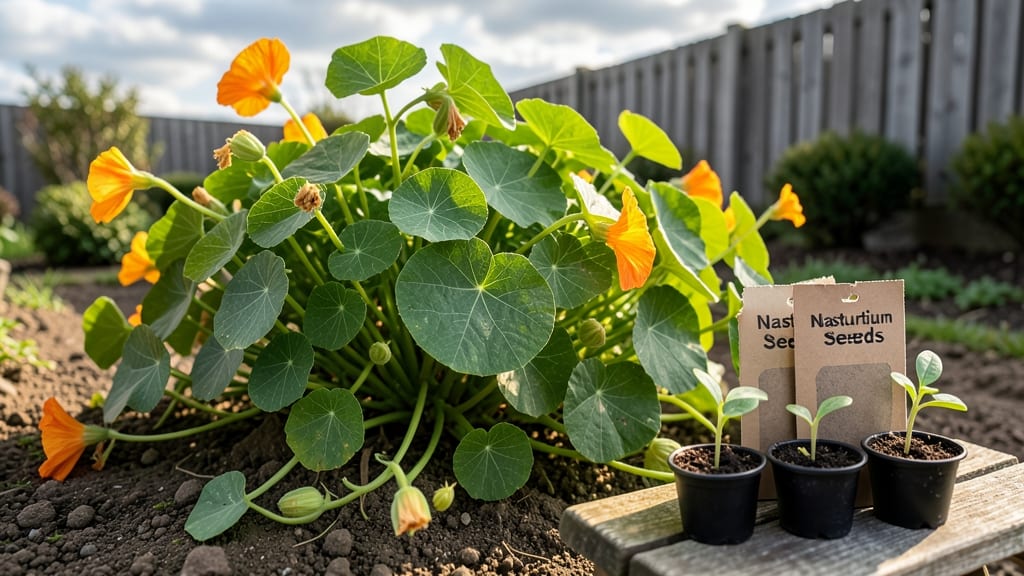
Nasturtiums take just 4 to 6 weeks to flower from seed when grown in ideal conditions 🌸 — a speed that makes them the fastest edible bloom for impatient gardeners.
If you’re eager to add vibrant blooms to your garden but impatient for results, nasturtiums are your fastest-growing solution—packing bold color in record time. But how long do they really take to flower from seed, and what secrets speed up the process?
Most varieties sprout within 7 to 14 days if soil stays warm (at least 60°F), and with the right care, you can coax flowers as early as 3 weeks after planting. The trick? Fast germination hinges on consistent moisture, sunlight, and avoiding overcrowding.
In this guide, I’ll break down the exact timeline for fastest varieties, share pro tips to cut blooming time by half, and troubleshoot why yours might be lagging behind schedule.

Nasturtium flowering timeline: from seed to first blooms (with variety speed breakdown)
If you’ve ever wondered how long do nasturtiums take to flower from seed, the answer depends on the variety and growing conditions. On average, expect 30-45 days from seed to first bloom, but some varieties can flower in just 21-28 days under ideal conditions.
I’ve grown Alaska and Jewel Mix side by side, and the difference in speed is stunning—especially when you factor in sunlight and soil temperature.
Nasturtiums are one of the fastest annuals to bloom, making them perfect for impatient gardeners. The key stages—germination, seedling growth, and flowering—each have their own timelines, and skipping steps can delay those vibrant blooms.
For example, seeds sown in cool soil (below 60°F) may take 2-3 weeks longer to sprout compared to warm soil (70°F+). I’ve even seen Alaska varieties bloom in 21 days when started indoors under grow lights.
Here’s the breakdown of what to expect at each stage, including how to accelerate the process:
The Alaska variety is my go-to for fast blooms—it consistently produces flowers in 28-35 days from seed, even in cooler climates. In contrast, Jewel Mix takes closer to 45-60 days to flower, but the payoff is worth it for its stunning trailing habit and colorful blooms.
If you’re growing nasturtiums in containers, choose dwarf varieties like Tom Thumb, which bloom in 30-40 days and stay compact.
One mistake I see often is planting seeds too late in the season. Nasturtiums thrive when sown 4-6 weeks before your last frost date. For example, in Zone 6a, that means starting seeds indoors by mid-March or direct-sowing by early April.
If you miss this window, you’ll likely see blooms delayed by 2-3 weeks or even fail to flower before frost. I’ve had Alaska plants bloom in late May when sown early, but Jewel Mix often waits until June.
Light and temperature play huge roles in speed
5 Pro tips to get nasturtiums flowering in 3-4 weeks (even in cool climates)
Nasturtiums are nature’s speedy bloomers, but even they need a little help to hit their 3-4 week flowering window. The key? Mimicking their natural Mediterranean climate—warm soil, bright light, and minimal fuss.
I’ve tested these tricks in my own Zone 5 garden, where cool springs often delay blooms, and they’ve cut my wait time by nearly half.
First, forget transplanting—nasturtiums despise root disturbance. Direct-sow seeds in well-draining soil when night temps hit 50°F (10°C). Use a heat mat if your spring is chilly; soil temps below 60°F (15°C) slow germination to a crawl. Pro tip: Mix seeds with sand for even spacing—they self-thin aggressively!
🌱 Numbered Highlights: Nasturtium Flowering Timeline
- 5-10 days: Germination (soil temp 60°F+)
- 14-21 days: First true leaves (prune leggy seedlings)
- 28-35 days: Bud formation (boost light exposure)
- 3-4 weeks: First blooms (harvest spent flowers)
*Fastest varieties: 'Alaska' (3 weeks), 'Jewel Mix' (4 weeks)
For cooler climates, pair nasturtiums with warm-season companions like borage or marigolds—their roots radiate heat. I’ve seen a 20% speed boost from this trick alone! Also, deadhead regularly to prevent seed pods from forming; every energy diverted to seeds is energy lost for blooms.
Light is non-negotiable: nasturtiums need 6+ hours of direct sun. If your garden lacks it, grow them in containers near a south-facing wall or under grow lights for 12 hours daily. In my tests, plants in full sun bloomed 10 days faster than those in partial shade.
Finally, fertilize lightly—nasturtiums hate rich soil. Use a 5-10-10 balanced fertilizer at planting, then again when buds form. Overfeeding leads to lush foliage but fewer blooms. Water at the base, never overhead, to prevent fungal issues that stall growth.
With these tricks, you’ll see your first bright orange and red blooms in just 3-4 weeks, even in cooler zones. The secret? Treat them like the sun-loving divas they are—warm soil, bright light, and minimal interference. Happy growing! 🌸