
Lawn
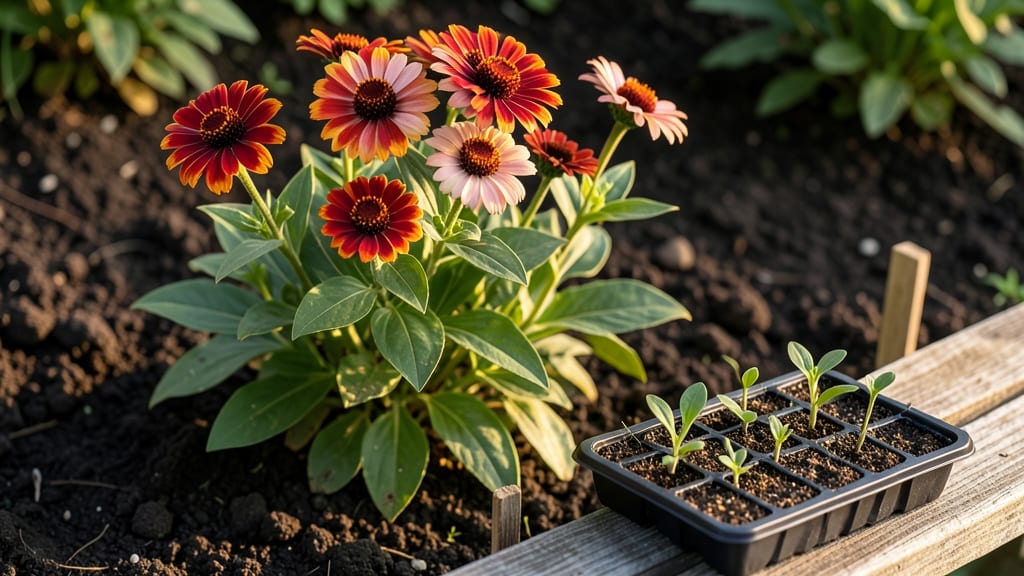
Seed viability is the biggest wild card—fresh seeds from reputable brands often hit the higher end of that range, while older or poorly stored seeds can drop below 50%. 🌱 I’ve seen dramatic differences just by checking the seed packet’s expiration date before planting.
Even the best seeds need consistent moisture and temperatures within their ideal range (usually 60-75°F for most flowers) to break dormancy. For example, marigolds and zinnias usually sprout faster than delicate petunias, which need more patience and precise care.
Don’t overlook soil prep—compacted or nutrient-poor soil can choke germination before it starts. A quick soil test or even mixing in compost can double your success.
And here’s a pro tip: if your seed pack says "needs light to germinate," don’t bury it—just press it into the top inch of soil. The right conditions turn those 50-90% chances into a lush reality.
💡 In This Article
- Factors Affecting Flower Seed Germination Rates
- Pro Tips to Maximize Your Flower Seed Pack Success
Factors affecting flower seed germination rates
The first critical factor is seed viability, which declines by about 10-15% per year after harvest.
Fresh seeds from trusted brands often exceed 80-90% germination rates, while year-old packets may drop to 50% or lower. 🌱 The science behind this is simple: seeds contain stored energy (as starches and oils) that powers germination.
Over time, this energy depletes, and the seed coat hardens, making it harder for water to penetrate. For example, a 2021 marigold packet might sprout 85% of seeds, but the same variety from 2019 could struggle at 60% or less.
Temperature and moisture work together like a lock-and-key system. Most flower seeds thrive in soil temperatures between 60-75°F, but some—like snapdragons—need cooler 50-60°F ranges. Too hot (above 85°F) can trigger premature sprouting or rot, while too cold (below 50°F) halts metabolic activity entirely.
Moisture levels must stay consistent: too dry, and seeds won’t activate; too wet, and they’ll suffocate or develop mold. A light misting twice daily (or using a humidity dome) keeps conditions perfect for seeds like petunias, which need 90% humidity to break dormancy.
Soil quality acts as the foundation for germination. Compacted or clay-heavy soil restricts root penetration, while sandy soil drains too quickly.
The ideal mix combines 40% topsoil, 30% compost, and 30% perlite or vermiculite to balance aeration and water retention. pH also matters: most flowers prefer slightly acidic to neutral soil (6.0-7.0).
For instance, hydrangea seeds fail to sprout in alkaline soil (pH 7.5+) because their nutrient uptake shuts down. A simple soil test kit ($10) reveals hidden issues before planting.
Light exposure plays a surprising role for some species. Seeds labeled \"needs light to germinate\" (like impatiens or begonias) should sit on the soil surface—burying them even ¼ inch deep blocks sunlight, which triggers enzymes that break down seed coats.
Meanwhile, deep-buried seeds (like dahlias) rely on darkness to stimulate sprouting. This dual requirement explains why some gardeners see 0% germination when planting light-loving seeds too deep—what appears like failure is simply a mismatch of conditions.
Even the seed’s internal structure affects success. Some seeds (like poppies) have hard outer shells that require scarification—a process where the coat is nicked or softened to let water in. Without this step, germination can drop from 75% to just 10%.
You can mimic nature by soaking seeds in warm water for 12-24 hours or rubbing them gently with sandpaper. This tiny tweak turns stubborn seeds into reliable performers.
Finally, species-specific traits matter. Fast germinators like cosmos sprout in 5-7 days, while finicky varieties like orchids take 6-12 months. Understanding your seeds’ timeline prevents premature digging or overwatering. For example, digging up 2-week-old petunia seedlings (thinking they’ve failed) can kill them—patience is key for slower starters.