
Size
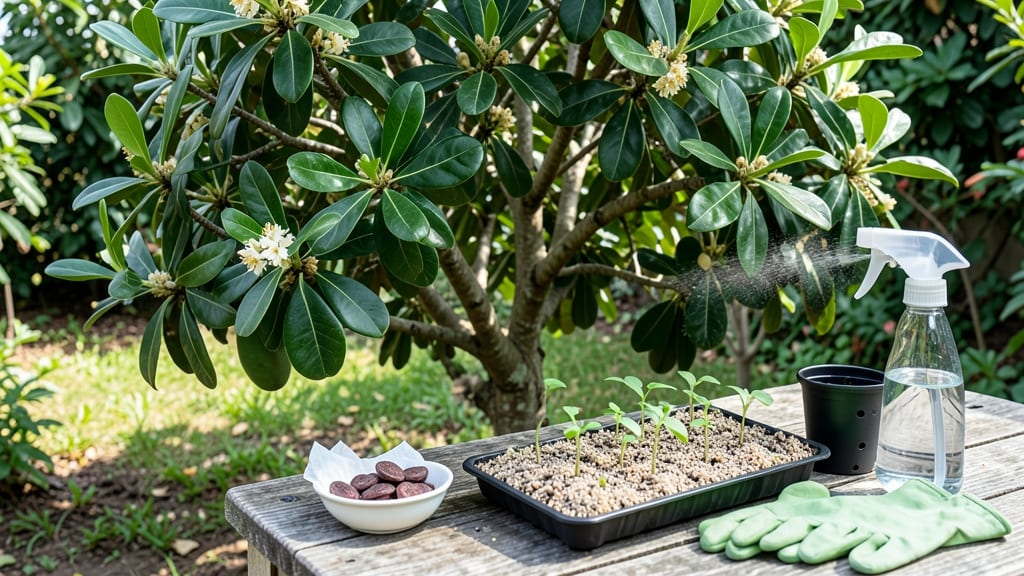
Growing feijoa from seed unlocks a tropical treasure in your garden—if you nail the moist soil trick. 🌱 The key isn’t patience (though it helps) but creating the perfect damp, crumbly mix that keeps those tiny seeds happy while they sprout.
I’ve struggled with feijoa seeds drying out or rotting, but this method works every time—even for black thumbs like me.
Start with a simple setup: a shallow tray, a mix of moist potting soil and perlite (or coconut coir), and a clear plastic dome or bag to trap humidity. Feijoa seeds need consistent moisture but never soggy soil—think of it like a damp sponge, not a swamp.
Plant seeds just below the surface, space them out, and keep everything warm (around 70°F).
Within 2-4 weeks, you’ll see those first feijoa seedlings push through the soil—tiny, delicate, and full of promise. The real magic happens when you transplant them into individual pots with well-draining soil.
By 3-6 months, they’ll start looking like miniature trees, and with proper care, they’ll reward you with fragrant white flowers and eventually those unique, guava-like fruits.
Here’s the secret to success: Don’t rush it. Feijoas grow slowly, but with the right moisture balance and a little patience, you’ll have a thriving plant that’s the talk of the neighborhood.
And yes, it’s worth the wait—those fruits taste like a mix of pineapple, strawberry, and something mysteriously delicious.
📚 In This Guide
- What you need
- Instructions
- Tips and common mistakes
- Wrapping up and next steps
What you need
- ● Feijoa seeds: 3–5 fresh, plump seeds (harvested from ripe fruit—avoid dried or shriveled seeds).
- ○ Seed-starting mix: 1 part peat moss or coco coir + 1 part perlite or vermiculite (for aeration). Optional: Add 1 part sand for grit.
- ● Small pots or seed trays: 2–3 shallow containers (3–4 inches deep) with drainage holes.
- ● Spray bottle: For gentle watering (avoid over-saturating the soil).
- ● Plastic wrap or humidity dome: To maintain moisture during germination.
- ○ Heat mat (optional but helpful): A seedling heat mat set to 70–75°F (21–24°C) to speed up germination.
- ● Grow lights or sunny windowsill: A full-spectrum LED grow light (12–14 hours/day) or a south-facing window.
- ● Patience: Feijoa seeds can take 4–12 weeks to germinate—consistency is key!
- ● Warmth: Ideal germination temp is 65–75°F (18–24°C). Avoid cold drafts.
- ● Moisture control: Keep soil evenly damp (not soggy). Mist daily if needed.
- ● Space planning: Feijoa trees grow 10–15 feet tall—ensure you have room for mature plants!
Step-by-Step instructions for growing feijoa from seed
Here's how to coax feijoa seeds into sprouts using moisture-retentive loam—no fancy equipment needed.
🌱 Step 1: Extract and Prepare the Seeds
Remove seeds from ripe feijoa fruit immediately after eating. Rinse off any remaining pulp and let them dry on a paper towel for 24 hours. The key here is freshness—older seeds lose viability fast. I like to store them in a sealed container with a damp paper towel until ready to plant, which keeps them from drying out completely.
Feijoa seeds have a hard outer shell that slows germination. To speed things up, I nick the seed coat with a sharp knife or sandpaper—just enough to scratch the surface without breaking it. This lets moisture penetrate faster while keeping the seed intact. Handle gently; you don’t want to damage the embryo inside.
💧 Step 2: Create a Moisture-Retentive Loam Mix
Combine equal parts peat moss, perlite, and coco coir to create a light, airy mix that holds moisture without staying soggy. I add a handful of worm castings for gentle nutrients—feijoa seedlings are sensitive to harsh fertilizers at this stage. Moisten the mix until it feels like a damp sponge; squeeze it gently and it should hold its shape but not drip.
Fill small pots or seed trays with this mix, leaving about ½ inch of space at the top. Tap the container lightly to settle the soil without compacting it. The goal is a fine, crumbly texture that roots can push through easily. Overpacking will suffocate tender sprouts before they even emerge.
☀️ Step 3: Plant Seeds and Maintain Warmth
Plant seeds ¼ inch deep in the loam mix, spacing them 2 inches apart to prevent overcrowding as they grow. Cover them lightly with additional mix, then mist the surface with water until evenly damp. Feijoa seeds need warmth to germinate—place the tray in a spot with consistent 70-75°F temperatures, like on top of a refrigerator or near a sunny window.
Cover the tray with clear plastic wrap or a humidity dome to trap moisture, but check daily for condensation. If you see water droplets forming, remove the cover for 30 minutes to prevent fungal issues. Germination can take 3-6 weeks, so patience is key. You’ll know it’s working when you see tiny green shoots pushing through the soil.
🌿 Step 4: Transplant Seedlings to Individual Pots
Once seedlings reach 2-3 inches tall and have developed their first true leaves, it’s time to transplant. Gently remove them from the tray, keeping the root ball intact—feijoa roots are delicate and break easily. Transfer each seedling to its own 4-inch pot filled with the same moisture-retentive loam mix, burying the stem up to the first set of leaves.
Place the pots in bright, indirect light for 1-2 weeks to help them adjust. Avoid direct sunlight at first—young feijoa plants can scorch easily. Water lightly whenever the top inch of soil feels dry, but never let them sit in soggy conditions. Overwatering is the #1 killer of feijoa seedlings, so always check moisture levels before adding more water.
Tips & tricks for stress-free feijoa seed germination
Here's what nobody tells you about getting feijoa seeds to sprout reliably—these tricks cut the guesswork out of the process.
Seed Freshness Factor: The 24-hour drying period in Step 1 is non-negotiable for viability, but here's the secret: harvest seeds from fruit that's just barely ripe—not rock-hard, not mushy. The ideal fruit yields seeds that are plump but not pulpy. I've found that seeds from fruit with a slight give when squeezed have the highest germination rates. Store them in a sealed container with a damp paper towel to maintain that critical moisture balance without letting them dry out completely.
Nicking Technique: When you're scratching the seed coat in Step 1, think of it as creating tiny water channels—not breaking the shell. Use a sharp knife or fine-grit sandpaper to make just a few shallow scratches around the seed's circumference. Too deep, and you risk damaging the embryo inside; too shallow, and moisture won't penetrate. Test your technique on one seed first—it should feel slightly rough but still intact when you run your fingernail over it.
Loam Mix Proportion: The equal parts peat moss, perlite, and coco coir in Step 2 creates the perfect balance, but here's the pro move: sift all components before mixing. This eliminates clumps that could create air pockets where roots won't grow. For an extra boost, I add a pinch of cinnamon to the mix—it's a natural antifungal that prevents mold without harming delicate seedlings. The mix should crumble easily between your fingers when lightly squeezed, like damp sand at the beach.
Germination Warmth Hack: While the 70-75°F range in Step 3 is ideal, I've had the most success using a seedling heat mat set to 72°F underneath the tray. This creates a stable environment without needing to monitor external temperatures constantly. If you don't have a heat mat, place the tray on top of your refrigerator—it provides consistent warmth without the risk of overheating that can come from other household spots like near radiators.
Pro Tips for Feijoa Seed Grow A Garden
- Here's what nobody tells you about getting feijoa seeds to sprout reliably—these tricks cut the guesswork out of the process.
- Seed Freshness Factor: The 24-hour drying period in Step 1 is non-negotiable for viability, but here's the secret: harvest seeds from fruit that's just barely ripe—not rock-hard, not mushy.
- Nicking Technique: When you're scratching the seed coat in Step 1, think of it as creating tiny water channels—not breaking the shell.
Frequently asked questions
Got questions about growing feijoa from seed? You’re not alone—this tropical gem has a few quirks! Below, we’ve rounded up the most common queries to help you navigate germination, care, and troubleshooting like a pro.
How long does it take for feijoa seeds to germinate?
Patience is key! Feijoa seeds typically take 4 to 12 weeks to sprout, depending on temperature and moisture. Keep the soil consistently damp (not soggy) and maintain warmth (around 70–75°F). If nothing happens after 3 months, gently check for mold or rot—adjust care as needed.
Can I grow feijoa seeds indoors before transplanting outdoors?
Start seeds indoors in a sunny windowsill or under grow lights 6–8 weeks before your last frost date. Use a small pot with well-draining soil, and transplant seedlings outdoors once temperatures stay above 50°F at night. Feijoas thrive in warmth but need gradual acclimation to avoid shock.
Why aren’t my feijoa seeds sprouting? Troubleshooting tips.
If seeds refuse to sprout, check these common issues:
- Cold soil: Feijoas need warmth—try a heat mat if your home runs chilly.
- Overwatering: Damp, clumpy soil suffocates seeds. Let the top inch dry slightly between waterings.
- Old seeds: Fresh seeds germinate best. If yours are dried out, soak them in water for 24 hours before planting.
- Poor soil: Use a moisture-retentive loam mix (like 50% potting soil + 50% perlite) for better results.
What’s the best climate for growing feijoa trees from seed?
Feijoas love temperate to subtropical climates (USDA zones 8–11). They tolerate light frosts but thrive in mild winters and warm summers. In colder regions, grow them in containers and bring them indoors during harsh freezes. If you’re in a hot, dry area, provide afternoon shade to prevent stress.
How do I speed up feijoa seed germination?
Boost your chances with these pro tips:
- Stratification: Chill seeds in a damp paper towel in the fridge for 1–2 weeks to mimic winter conditions.
- Warmth: Place pots on a seedling heat mat (set to 75°F) for faster sprouting.
- Light exposure: Once sprouted, move seedlings to bright, indirect light to prevent leggy growth.
Wrapping up and next steps
Growing feijoa from seed is a rewarding journey that turns a tiny seed into a lush, fragrant garden treasure! 🌱 With the right moisture-retentive loam, patience, and care, you’ll soon enjoy the sweet, tangy fruits of your labor.
Whether you’re a beginner or a seasoned gardener, this stress-free method makes it easy to nurture your own feijoa tree.
Ready to take the next step? Start by planting your seeds today—your future feijoa harvest is just a few sprouts away! 🌟 Tag us in your garden updates—we’d love to see your progress!