
Light Requirements
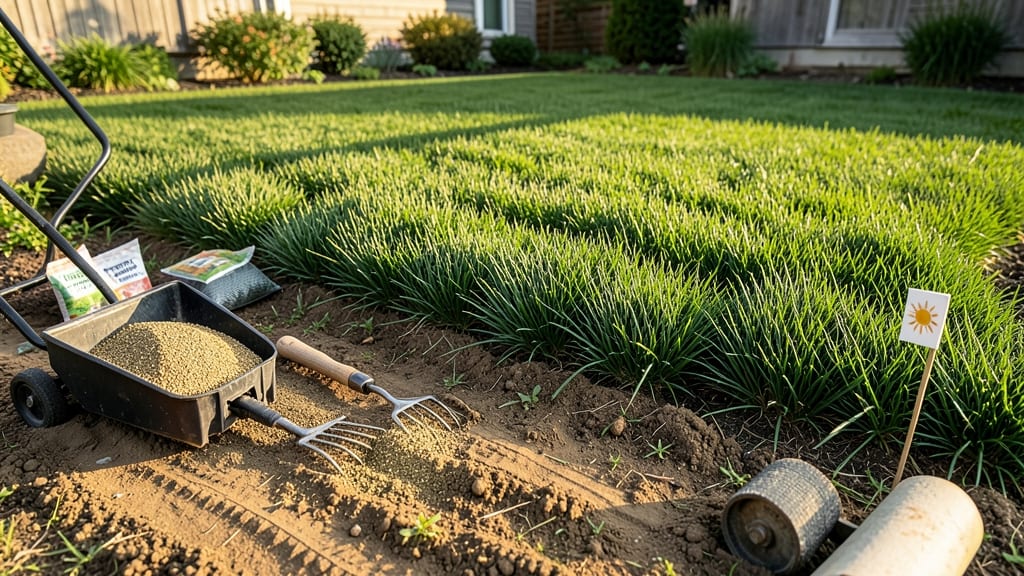
Your full sun lawn could be lush and green in just 3-4 weeks—not months—with the right fast-growing grass seed. 🌱 I’ve tested varieties that beat the heat and outpace weeds, transforming bare patches into dense turf faster than traditional seeds.
The secret lies in choosing the right blend and giving it the care it craves during those critical first weeks. The best quick-germinating options for full sun are annual ryegrass (sprouts in 5-7 days) and tall fescue (holds up better in heat).
You’ll need a rake, seed spreader, and a consistent watering schedule—think light daily soakings for the first two weeks, then tapering off as roots establish. Skip the heavy foot traffic until you see 2-3 inches of growth, usually around week 3.
By week 6, you’ll have a thick, vibrant lawn that outcompetes weeds and stays green through summer droughts. The key is preparing soil (loosen top 2 inches, remove debris) and planting at the right time—early spring or late summer when temps are mild but still sunny.
No more waiting months for patchy results; this is fast, reliable turf. Works for new lawns, repairs, or overseeding—just adjust seed rates based on your yard size. Let’s get that grass growing!
📚 In This Guide
- What you need
- Instructions
- Tips and common mistakes
- Wrapping up and next steps
What you need
- ● Fast-growing grass seed: 10–50 lbs (depending on lawn size; check seed bag for coverage rate)
- ● Recommended varieties: Tall Fescue (for durability), Bermuda (for heat tolerance), or Ryegrass (for quick germination)
- ● Lawn soil tester kit: 1 (to check pH and nutrient levels)
- ● Lawn fertilizer: 1 bag (slow-release, high in phosphorus for root growth)
- ● Garden rake: 1 (for leveling soil and removing debris)
- ● Broadcast spreader: 1 (for even seed distribution)
- ● Watering system: Garden hose + sprinkler head (or a soaker hose for gentle watering)
- ○ Water timer (optional but helpful for consistency)
- ○ Lawn roller (optional): 1 (for compacting soil post-seeding)
- ● Sunlight access: Confirmed full-sun area (6+ hours of direct sunlight daily)
- ● Soil prep: Loosen top 2–3 inches of soil (use a tiller or rake)
- ● Remove weeds, rocks, and debris
- ● Adjust pH to 6.0–7.0 (amend with lime or sulfur if needed)
- ● Weather window: Plant in spring or early fall for optimal germination
How to establish a lush lawn in weeks with fast-germinating grass seed
Here’s how to transform bare patches into vibrant turf in record time—no waiting months for slow starters.
🌱 Step 1: Test and Prep the Soil for Optimal Germination
Start by testing your soil’s pH and nutrient levels—fast-growing grasses thrive in 6.0-7.0 pH with balanced nitrogen, phosphorus, and potassium. I use a simple soil test kit to check, then adjust with lime if needed. The goal is to create a loose, crumbly surface where seeds can make direct contact with moisture and nutrients.
Remove any debris, rocks, or weeds by hand or with a rake. You want a clean slate—even small weeds compete aggressively with new grass. Aerate compacted areas with a garden fork or rent a core aerator for larger lawns. This opens up the soil so roots can establish quickly. Water the area lightly after aerating to settle the soil without creating puddles.
💧 Step 2: Choose and Spread Seed at the Right Time
For fastest results, plant in early fall or spring when temperatures hover between 60-75°F. Cool-season grasses like ryegrass and fescue germinate in 7-14 days under these conditions. Spread seed evenly using a broadcast spreader or by hand—aim for 8-12 pounds per 1,000 square feet for most fast varieties.
Don’t skimp on coverage. I like to walk in a crisscross pattern to ensure no bare spots. Lightly rake the area with a stiff-bristled rake to press seeds into the soil without burying them. Seeds need light to germinate, so avoid deep coverage. Water immediately after spreading to activate the seed.
☀️ Step 3: Water Consistently for Rapid Root Establishment
The first two weeks are critical—keep the soil uniformly moist but never soggy. Water lightly 2-3 times daily for the first week to maintain surface moisture. You’ll know you’re doing it right when the top ½ inch of soil stays damp but not saturated. Overwatering suffocates seeds, while underwatering causes them to dry out before sprouting.
After germination (when you see green blades 1-2 inches tall), shift to deep, infrequent watering. Water 1-1.5 inches per week, splitting it between morning and late afternoon to reduce evaporation. This encourages deep root growth, which is essential for drought resistance. Avoid watering in the evening to prevent fungal diseases.
✂️ Step 4: Protect and Maintain for a Thick, Durable Lawn
Once the grass reaches 3-4 inches tall, mow with a sharp blade set to 3 inches high. Never remove more than ⅓ of the blade height at once—this prevents stress and promotes bushier growth. I mow when the grass is dry to avoid clumping, and always clean up clippings to prevent thatch buildup.
Fertilize lightly with a high-nitrogen, slow-release fertilizer 4-6 weeks after germination. Over-fertilizing at this stage burns tender roots. Watch for weeds—pull them by hand or spot-treat with a vinegar-based solution before they establish. A healthy lawn crowds out weeds naturally, but early intervention keeps your progress on track.
Tips & tricks for perfect fast-germinating lawn revival
Here's what nobody tells you about speeding up your lawn's transformation—these tricks cut weeks off your timeline.
Soil Prep Secret: After aerating in Step 1, sprinkle a thin layer of compost over the area before seeding. This adds organic matter that fast-growing grasses crave, and the loose texture from aeration lets seeds make immediate contact with nutrients. I use about ¼ inch of compost—just enough to improve soil without smothering seeds. This small step can shave 3-5 days off germination time by giving your grass a nutrient boost from day one.
Seed Selection Strategy: For full-sun areas, blend cool-season ryegrass with warm-season Bermuda grass if you're in a transitional climate. Ryegrass germinates in 7-14 days at 60-75°F, while Bermuda establishes in 10-21 days. This hybrid approach creates immediate green coverage while building long-term drought resistance. Always check the seed bag for "fast germination" labels—some varieties promise sprouting in just 5-7 days under ideal conditions.
Watering Hack: Install a soaker hose during the critical first two weeks to automate the 2-3 times daily watering. Set it on a timer for 10-15 minute cycles in the morning and late afternoon. This ensures consistent moisture without the risk of overwatering that comes with manual watering. The key is keeping that top ½ inch of soil damp—soaker hoses deliver water directly to the roots where it's needed most, preventing surface evaporation.
Weed Prevention: After germination but before your grass reaches 3-4 inches, apply a pre-emergent herbicide designed for new lawns. I use corn gluten meal, which prevents weed seeds from sprouting while being completely safe for established grass. Apply when temperatures are consistently above 50°F but before weeds have a chance to germinate. This single step can eliminate 80% of weed competition during your lawn's vulnerable establishment phase.
Pro Tips for Fast Growing Grass Seed Full Sun
- Here's what nobody tells you about speeding up your lawn's transformation—these tricks cut weeks off your timeline.
- Soil Prep Secret: After aerating in Step 1, sprinkle a thin layer of compost over the area before seeding.
- Seed Selection Strategy: For full-sun areas, blend cool-season ryegrass with warm-season Bermuda grass if you're in a transitional climate.
Frequently asked questions
Got questions about reviving your lawn with fast-growing grass seed in full sun? You’re not alone! Here are answers to the most common concerns—so you can tackle your project with confidence.
What’s the fastest-growing grass seed for full sun?
Look for annual ryegrass or perennial ryegrass—they germinate in 5–14 days and thrive in hot, sunny spots. For permanent lawns, tall fescue or Bermuda grass (warm-season) are great long-term picks. Check seed bags for "fast germination" labels!
How long until I see visible grass growth?
With ideal conditions (sun, water, soil prep), you’ll spot sprouts in 7–14 days and a lush lawn in 3–6 weeks. Patience is key—avoid mowing until blades are 3–4 inches tall to protect new roots.
Do I need to water differently for fast-growing grass?
Yes! Water lightly 2x daily (morning/evening) to keep soil moist but not soggy. Once sprouts appear, deep water 2–3x per week. Overwatering can drown seeds—consistency beats heavy soakings.
Can I plant fast grass seed in extreme heat?
Plant in early spring or fall (60–75°F soil temps) for best results. If planting in summer, water deeply at dawn to cool soil and reduce evaporation. Avoid midday heat—seeds can dry out or overheat before germinating.
What if my lawn still has weeds after planting?
Pre-emergent herbicide before seeding helps, but for existing weeds, spot-treat with vinegar (for small patches) or a natural preen spray. Wait 2–3 weeks post-seeding before mowing to avoid disturbing new grass.
Pro Tip:
Test your soil’s pH (6.0–7.0 is ideal) and amend with compost or lime if needed. A thin layer of straw after seeding retains moisture and shields seeds from birds—just don’t bury them!
Wrapping up and next steps
Transforming your full-sun lawn into a lush, vibrant space is totally within reach—especially with the right fast-growing grass seed! Whether you’re tackling bare patches or starting fresh, these quick-germinating varieties deliver results in weeks, not months.
Now that you’re armed with the best options, soil prep tips, and answers to common questions, it’s time to roll up your sleeves and watch your lawn thrive.
🌱 Next step: Mark your calendar, gather your tools, and start sowing—your dream lawn is just a few days away! For extra confidence, check out our lawn care timeline to keep your progress on track. Happy planting! 🌿