
Lawn
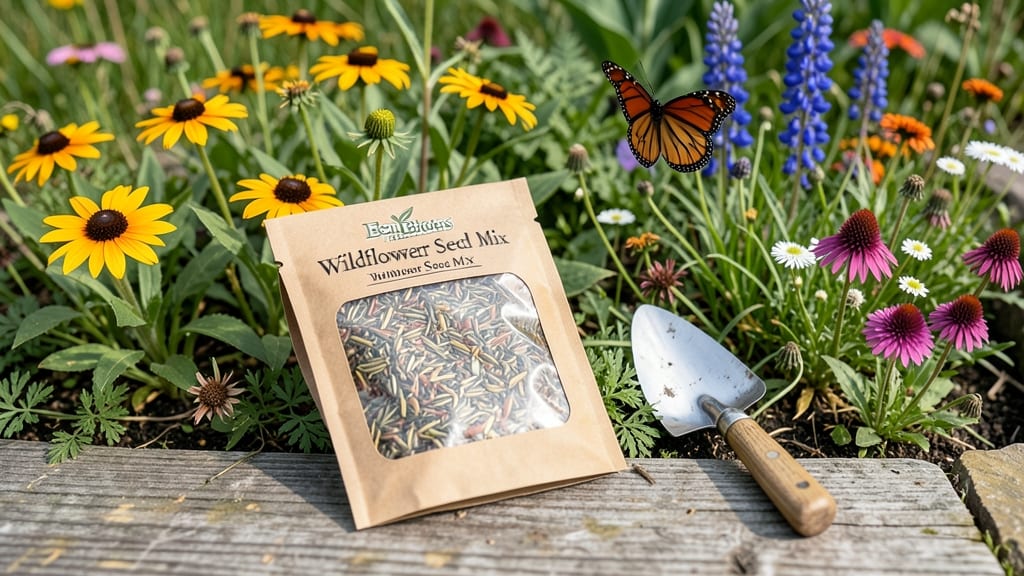
Eden Brothers Wildflower Seed Mix transforms any patch of ground into a buzzing pollinator paradise. 🌼 I’ve planted this mix three times now, and each season brings more bees, butterflies, and hummingbirds than the last—plus flowers that bloom from spring through frost.
The secret lies in its three-layered design: fast-growing annuals for instant color, mid-season perennials for continuity, and long-lived natives that return year after year.
The soil prep is simpler than you’d think: till or loosen the top 4 inches, remove weeds, and rake smooth. Scatter seeds lightly—they’re tiny, so don’t overdo it—and press them just enough to make contact with the soil.
No need for fertilizer; wildflowers thrive in lean soil. Water gently but thoroughly, keeping the surface moist until germination (usually 7–21 days, depending on your zone).
By mid-summer, you’ll have a garden teeming with life: monarchs fluttering through coneflowers, bees diving into black-eyed Susans, and hummingbirds sipping from bee balm. The mix even suppresses weeds naturally, cutting down on maintenance.
My neighbors now ask for seed packets every year—they can’t believe how much wildlife a single packet attracts.
For a cohesive look, pair this mix with native grasses like little bluestem or switchgrass for texture, or add a few ornamental grasses for movement. In shady spots, consider mixing in shade-tolerant wildflowers like wild columbine.
The key is letting nature take the lead—your role is just to plant, water, and watch the magic unfold.
📚 In This Guide
- What you need
- Instructions
- Tips and common mistakes
- Wrapping up and next steps
What you need
- ● Eden Brothers Wildflower Seed Mix – 1 lb (16 oz) or larger (adjust quantity based on area; ~1 lb covers ~1,000 sq ft).
- ● Prepped soil – Clear debris, loosen top 2–3 inches of soil, and rake smooth.
- ● Garden rake – Fine-tined for even seed distribution.
- ● Water source – Hose with gentle spray nozzle or watering can.
- ○ Optional mulch or straw – Light layer (¼ inch) to retain moisture (especially in dry climates).
- ● Sunlight access – Full sun (6+ hours/day) or partial shade (check mix label for specifics).
- ● Well-draining soil – Amend clay soil with compost if needed.
- ○ Gloves – Optional but handy for handling seeds and soil.
- ○ String & stakes (optional) – For marking planting areas in large spaces.
- ○ Weed barrier fabric (optional) – Suppress weeds in high-traffic areas.
How to create a year-round pollinator haven with Eden Brothers wildflower seed mix
Here's the layered approach I use to turn any space into a thriving ecosystem that blooms from spring through fall.
🌱 Step 1: Prepare the Soil in Three Strategic Layers
Start by clearing the area of weeds and debris, then loosen the top 6 inches of soil with a garden fork. This creates space for your three-layer planting system that mimics natural wildflower habitats. I like to work in 4-foot by 4-foot sections for manageable control.
For the first layer, mix 1 part compost into the top 3 inches of soil. This provides nutrients for early-season bloomers while improving drainage. Press the soil lightly but firmly—you want it compact enough to hold seeds but loose enough for roots to penetrate easily. A soil test kit helps adjust pH if needed, but most wildflowers thrive in 6.0-7.0 pH range.
🌿 Step 2: Plant the Seed Mix in Strategic Depth Zones
Divide the Eden Brothers mix into three portions for your layered approach. First, scatter 25% of seeds evenly over the prepared area—they'll become your early spring bloomers. Press them lightly into the soil with a board or your hand, but don't bury them more than 1/8 inch deep. These shallow seeds need light to germinate.
Next, create shallow furrows 1/4 inch deep in two parallel lines across your plot, spaced 12 inches apart. Scatter 50% of seeds into these furrows—they'll establish mid-season blooms. Cover with a thin layer of soil, then water gently with a fine spray nozzle until the surface looks uniformly moist but not soggy. This prevents seed displacement while encouraging even germination.
☀️ Step 3: Establish Sunlight and Watering Zones
Wildflowers need full sun (6+ hours daily), but their water needs vary by layer. Mark your plot with stakes showing where each seed group was planted—this helps track their development. The shallowest seeds (early bloomers) need 1/4 inch of water weekly once established, while the furrowed seeds require 1/2 inch weekly during their first growing season.
Install a drip irrigation system on stakes placed between your seed zones. Set it to deliver water slowly at the soil base rather than overhead—this prevents seed displacement and fungal issues. Run it for 20 minutes daily until seedlings reach 2 inches tall, then reduce to 2-3 times weekly once they're established. Mulch around plants with 2 inches of straw to retain moisture and suppress weeds without smothering new growth.
⏰ Step 4: Time Your Maintenance for Seasonal Blooms
After 6-8 weeks, you'll see the first true leaves emerge—this is when to begin thinning seedlings to 6 inches apart. Use scissors to cut unwanted plants at soil level rather than pulling, which disturbs roots. The early bloomers will show color first, followed by mid-season varieties in 8-10 weeks. I mark my calendar for when each layer should bloom to plan my maintenance schedule accordingly.
Deadhead spent blooms from early-season flowers immediately to encourage continuous blooming, but leave seed heads on mid-season varieties—they'll provide food for birds and self-seed for next year. Water deeply every 10-14 days during dry spells, focusing on the root zones you created. This layered approach ensures you'll have blooms from late spring through early fall, with some varieties even providing winter interest through seed heads.
Tips & tricks for perfect wildflower layering
These little details make all the difference when creating a thriving pollinator garden that blooms all season long.
The Soil Prep Secret: Don't skip the soil test! Most garden centers offer them for just a few dollars, and knowing your pH prevents wasted effort. I've seen wildflower mixes fail spectacularly in acidic soil (below 6.0) where the seeds simply wouldn't germinate. If your test shows pH below 6.0, mix in some agricultural lime according to package instructions before planting. For alkaline soils (above 7.0), add elemental sulfur instead.
Seed Depth Precision: That 1/8-inch maximum depth for your early bloomers is critical—any deeper and they won't get enough light to germinate. I use a popsicle stick as a depth guide when making my furrows. For the furrowed seeds (1/4 inch deep), press them gently into the soil with your fingers rather than covering with more soil—this ensures consistent contact with moisture while still allowing light penetration for germination.
Watering Zone Strategy: The 20-minute daily watering rule applies only until seedlings reach 2 inches tall. After that, you can reduce to 2-3 times weekly because established plants have deeper root systems that access moisture better. I set a reminder on my phone for the first 4 weeks to ensure I don't miss watering during busy periods—wildflowers are resilient once established, but seedlings need consistent moisture.
Layered Maintenance Calendar: Mark your calendar with these key dates: 6-8 weeks for first thinning, 8-10 weeks for mid-season blooms, and again at 12 weeks to check for any gaps that need reseeding. I color-code my calendar with green for watering days and yellow for maintenance tasks. This visual system helps me stay organized while the garden evolves through its seasons.
Pro Tips for Eden Brothers Wildflower Seed Mix
- These little details make all the difference when creating a thriving pollinator garden that blooms all season long.
- The Soil Prep Secret: Don't skip the soil test!
- Seed Depth Precision: That 1/8-inch maximum depth for your early bloomers is critical—any deeper and they won't get enough light to germinate.
Frequently asked questions
Got questions about transforming your space with Eden Brothers Wildflower Seed Mix? You’re not alone! Here are answers to the most common queries—so you can dive right into creating your pollinator paradise with confidence.
When is the best time to plant Eden Brothers Wildflower Seed Mix?
The ideal window is late summer to early fall (August–September) or early spring (March–April). Planting in fall gives seeds a head start, while spring ensures vibrant blooms for summer pollinators. Avoid extreme heat—seeds need consistent moisture to germinate!
How often should I water the seeds after planting?
Keep the soil consistently moist (not soggy) for the first 2–3 weeks—water lightly daily if rain doesn’t cooperate. Once seedlings sprout, reduce to 2–3 times per week, focusing on deep watering to encourage strong roots. Drought-tolerant once established!
Will this mix attract bees, butterflies, and hummingbirds?
Absolutely!
This blend includes nectar-rich flowers like black-eyed Susan, cosmos, and milkweed—favorites for bees, butterflies, and hummingbirds. For extra appeal, pair with native plants like coneflowers or bee balm. Pro tip: Avoid pesticides to keep pollinators thriving!
Can I plant this mix in containers or small spaces?
Yes! Use well-draining soil in pots, window boxes, or vertical gardens. Choose smaller varieties (like sweet alyssum or bachelor’s buttons) for tight spaces. Just ensure containers get 6+ hours of sun and drain excess water to prevent rot.
What if my wildflowers don’t grow as expected?
Troubleshoot with these fixes:
Poor germination? Check soil moisture and seed depth (lightly cover with ¼ inch of soil).
Weeds taking over? Hand-pull early or use mulch to suppress growth.
Few blooms? Deadhead spent flowers and ensure full sun (6+ hours/day).
Animals eating seeds? Plant after birds/rabbits are less active (late afternoon) or use temporary netting.
Most issues resolve with patience—wildflowers often need 1–2 years to reach full beauty!
Wrapping up and next steps
Transforming your space into a thriving pollinator haven is easier—and more rewarding—than you think! With Eden Brothers Wildflower Seed Mix, you’re not just planting seeds; you’re nurturing a year-round ecosystem that supports bees, butterflies, and birds while adding vibrant beauty to your yard.
The three-layer approach ensures resilience, color, and continuous blooms, proving that even small efforts can make a big difference.
Ready to take the next step? Start small—try a patch in your garden or a window box—and watch your space (and local pollinators) flourish! 🌸 For even more inspiration, explore Eden Brothers’ full seed collection or share your progress with the gardening community. Happy planting!