
Lawn
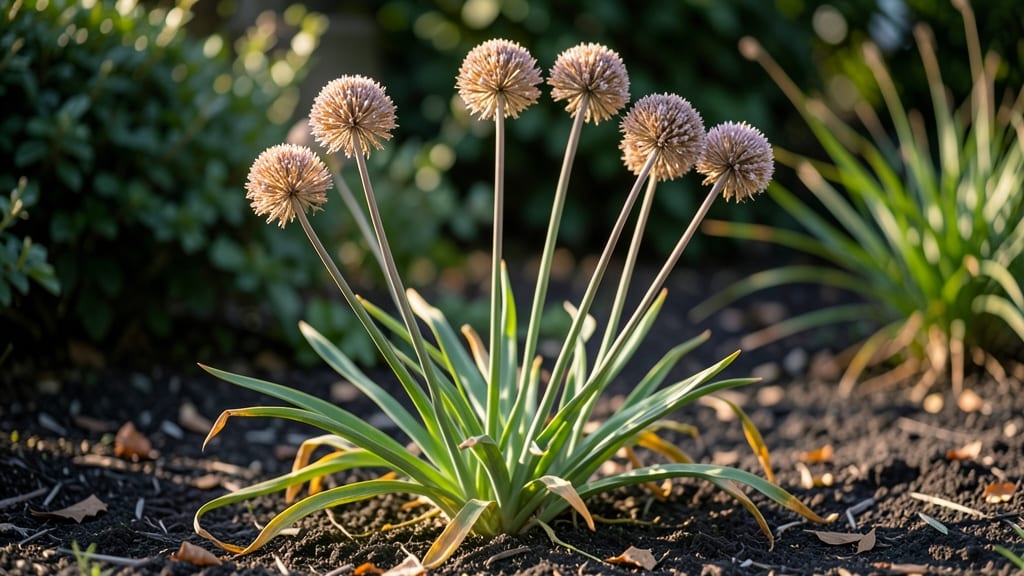
Allium seed heads turn your garden into a winter masterpiece with their papery, globe-shaped elegance. ✨ I've learned to dry and store them not just for next year’s blooms, but to create striking dried arrangements that last for months.
These architectural wonders transform any space with their soft, silvery texture—whether tucked into floral bouquets or scattered across a snowy landscape.
The best part? They’re effortless to preserve. Simply harvest when the seed pods turn golden-brown, tie them into bundles, and hang them upside down in a dry, dark place. Within a few weeks, they’ll be perfectly crisp and ready to use.
Pair them with eucalyptus, dried grasses, or even pinecones for a rustic, textured look that feels both timeless and unexpected.
Once dried, these seed heads add height and drama to any design. Toss them into winter wreaths, line a pathway, or create a monochromatic centerpiece that shines in muted tones.
Their delicate structure softens sharp edges, making them ideal for both cottage-style gardens and modern arrangements. The best part? You’ll have a sustainable, zero-waste decoration that’s uniquely yours.
For extra flair, mix them with dried lavender or sprigs of rosemary to add subtle fragrance. In a vase, they’ll hold their shape for months, giving you a free, beautiful decoration that’s ready whenever inspiration strikes. This is gardening that keeps giving long after the blooms have faded.
📚 In This Guide
- What you need
- Instructions
- Tips and common mistakes
- Wrapping up and next steps
What you need
- ● Mature allium seed heads: Harvest when fully brown and dry (typically late summer to early fall). Aim for at least 10-15 heads for reliable storage.
- ● Scissors or pruners: Sharp, clean pair to snip stems without crushing seed pods.
- ● Brown paper bags: 2-3 paper (not plastic!) bags per batch to allow airflow.
- ● Rubber bands or twine: To secure stems in bundles for hanging.
- ● Drying location: A well-ventilated, dry spot (e.g., porch, garage, or shed) with indirect sunlight.
- ● Small mesh bags or envelopes: For final seed storage (e.g., 1-2 quart-sized organza bags or paper envelopes).
- ● Labeling tags: Tiny labels or masking tape to mark seed varieties and harvest years.
- ● Desiccant packets: Tiny silica gel packets to absorb moisture in storage containers.
- ● Glass jars with lids: For long-term seed storage (if not using mesh bags).
- ● Fine-mesh screen: To sift and separate seeds from chaff post-drying.
Step-by-step instructions for harvesting and storing allium seed heads
Here's how I preserve those striking spherical blooms for next season's garden.
🌱 Step 1: Select and Harvest Mature Seed Heads
Wait until the seed heads turn completely brown and the papery outer layers begin to dry naturally on the plant. This usually happens about 4-6 weeks after flowering, when the stems feel crispy to the touch. I like to harvest on a dry morning after the dew has evaporated—this prevents moisture from getting trapped inside the seed heads.
Use clean, sharp pruning shears to cut the stems about 6 inches below the seed head. This extra stem length gives you room to work later when you're preparing them for storage. Bundle about 10-12 heads together and hang them upside down in a dry, well-ventilated space like a garage or covered porch.
☀️ Step 2: Dry Seed Heads Thoroughly
Find a spot with indirect sunlight and good airflow—direct sun can cause the seed heads to dry too quickly and crack open prematurely. I use a wooden drying rack or simply hang them from a string with clothespins. The drying process takes about 2-4 weeks, depending on your climate's humidity levels.
You'll know they're properly dried when the outer layers feel crisp and the seeds inside rattle when you shake the head gently. If any seeds fall out during this process, don't worry—just collect them and store separately. The key is patience; rushing the drying process can lead to mold or premature seed loss.
🪴 Step 3: Remove and Store Seeds Properly
Once completely dry, gently rub the seed heads between your hands to release the tiny black seeds. I like to do this over a large sheet of paper or inside a cardboard box to make cleanup easier. The seeds should come out easily if the heads were properly dried. If they're still stuck, let them dry a few more days.
Store the seeds in an airtight container like a small glass jar or resealable plastic bag. I add a silica gel packet to absorb any remaining moisture and label the container with the variety name and harvest date. Keep the container in a cool, dark place like a pantry or seed storage box—this helps maintain viability for up to 3 years.
⏰ Step 4: Prepare Seed Heads for Decorative Use
For the dried seed heads you'll use as decorations, trim the stems to about 8-10 inches long and remove any remaining leaves or browned flower parts. You can leave them whole or carefully separate the individual spherical heads if you prefer smaller arrangements. I like to spray them lightly with a natural hairspray or clear acrylic sealer to preserve their color and shape.
Store these decorative seed heads in a dry place, either individually wrapped in tissue paper or in a breathable fabric bag. When you're ready to use them, simply place them in a vase with fresh flowers or use them in dried arrangements. Their unique spherical shape adds wonderful texture and visual interest to winter bouquets.
Tips & tricks for perfectly preserved allium seed heads
Here's what I learned after saving dozens of these unique blooms for winter displays.
Harvesting Timing: The 4-6 week window after flowering is crucial—harvest too early and seeds won't be mature, too late and they'll scatter. I check stems daily during this period: when they feel crispy at the base (like dry straw), that's your cue. Morning harvests prevent dew from getting trapped inside the seed heads, which can cause rot during drying.
Drying Strategy: That 2-4 week drying range can be tricky in humid climates. If you're in a damp area, consider using a small fan to circulate air around your drying setup. I've also had success with a dehumidifier running nearby during the drying process. The goal is to create that crisp outer layer while keeping seeds intact—think of it like making perfect jerky, but for flowers!
Seed Storage Wisdom: Those 3 years of viability only apply if you maintain proper conditions. I double-check my storage containers by placing a small moisture indicator card inside with the silica gel packet. If the card ever changes color, it's time to transfer seeds to a new container. For extra peace of mind, I store my most prized varieties in small glass jars with tight-sealing lids in the refrigerator.
Decorative Prep: When trimming stems to 8-10 inches for arrangements, I like to make a clean diagonal cut just above a natural node. This creates a stronger stem base that holds up better in vases. For the hairspray sealant, I use a light mist—too much can make the seed heads look sticky rather than fresh. A quick test spray on a scrap piece first helps you gauge the right amount.
Pro Tips for Allium Seed Heads
- Here's what I learned after saving dozens of these unique blooms for winter displays.
- Harvesting Timing: The 4-6 week window after flowering is crucial—harvest too early and seeds won't be mature, too late and they'll scatter.
- Drying Strategy: That 2-4 week drying range can be tricky in humid climates.
Frequently asked questions
Got questions about harvesting, drying, or storing allium seed heads? You’re not alone! Here are some common concerns—and their answers—to help you preserve those fragrant blooms for next season.
When is the best time to harvest allium seed heads?
Harvest seed heads when they’ve fully matured but before they scatter seeds naturally. Look for dry, papery seed pods (usually 4–6 weeks after flowering). If left too long, seeds may drop prematurely—aim for late summer or early fall for most varieties.
How long does it take for allium seed heads to dry completely?
Drying time varies by humidity, but most seed heads take 2–4 weeks indoors. Hang them upside-down in a well-ventilated, dry spot (like a garage or shed) and check weekly. They’re ready when pods rattle when shaken and open easily.
Can I store allium seed heads in my garage or basement?
Yes! Just ensure the space is cool (50–60°F), dry, and dark. Avoid damp areas to prevent mold. Store seed heads in paper bags or breathable fabric sacks—plastic traps moisture. Label them with the year and variety for easy reference next spring.
What if my allium seed heads mold or get bugs?
Mold or pests mean your storage environment is too humid. Move seed heads to a drier location immediately. If infested, separate affected pods and discard them. For prevention, lightly dust with diatomaceous earth (food-safe) before storing.
Are there alternatives if I don’t want to save seeds?
No problem! Use dried seed heads in floral arrangements (they last months!) or compost them for garden nutrients. You can also press them in books for decorative art. Just avoid wetting them until fully dry to prevent spoilage.
Wrapping up and next steps
Transforming your allium seed heads into next year’s fragrant blooms is a rewarding way to extend their beauty and save money! By drying and storing them properly, you’re not just preserving nature’s art—you’re setting the stage for a stunning garden comeback. 🌱
Ready to take the next step? Grab those dried seed heads, grab a notebook, and sketch a plan for your future garden layout. Whether you’re replanting in the same spot or creating a new allium haven, your efforts will soon pay off with bold, fragrant blooms that turn heads—literally!