
Propagation
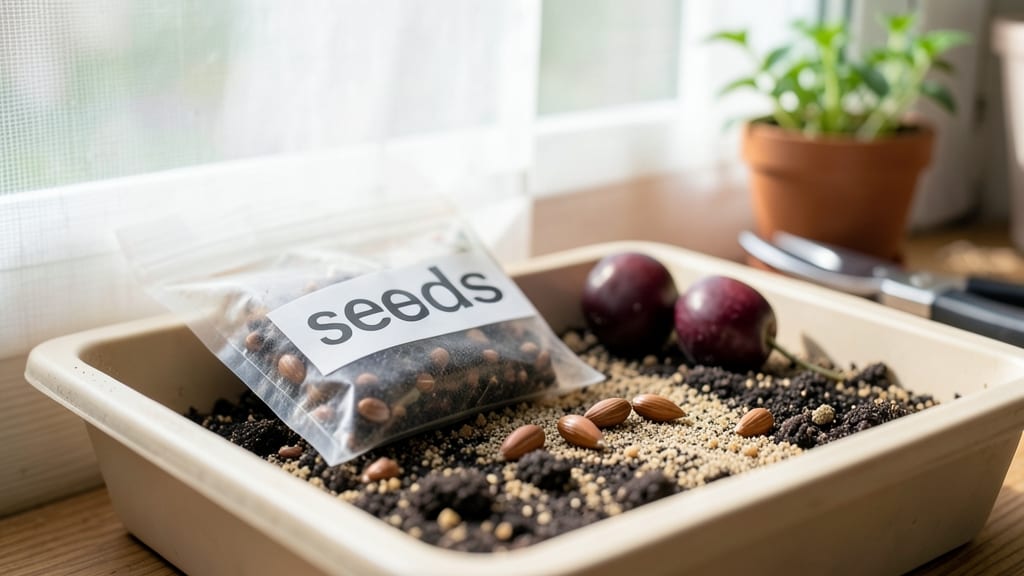
Cherry seeds need stratification to break dormancy, mimicking winter's cold-wet cycle. Soak them in water for 24 hours, then refrigerate in a damp medium for 6-12 weeks before planting for best germination results.
Stratification isn't just a suggestion—it's a biological necessity for cherry seeds. Without this cold-wet treatment, most seeds simply won't sprout because their hard outer shells prevent water and oxygen from reaching the embryo inside. 🌱 The process tricks seeds into thinking winter has passed, signaling them to grow.
I've found that sweet cherries often respond faster than tart varieties, but both benefit from consistent moisture during stratification. The key is patience—rushing the process can lead to mold or failed germination.
This method works because the cold period softens the seed coat while activating growth hormones like gibberellins. Once stratified, seeds typically germinate within 2-4 weeks when planted in well-draining soil. For best results, I recommend using a mix of peat moss and perlite to maintain proper moisture without waterlogging.
💡 In This Article
- How Cold Moisture Triggers Cherry Seed Germination
- Step-by-Step Cherry Seed Stratification Guide for Gardeners
How cold moisture triggers cherry seed germination
The biological magic of stratification begins with the seed coat—a tough, often waxy barrier that protects the embryo but also blocks water and oxygen. For cherry seeds, this coat contains compounds like lignin that harden during maturation, creating what scientists call "physical dormancy."
When you soak seeds for 24 hours before stratification, you start softening this barrier by rehydrating the outer layers. The real transformation happens during cold treatment, where temperatures between 34-41°F trigger enzymatic activity that breaks down cell walls in the seed coat.
Inside the seed, cold exposure activates gibberellins—plant hormones that signal the embryo to wake up. These hormones travel to the seed's endosperm (stored food), prompting it to release sugars and nutrients that fuel early growth.
Tart cherry seeds often require 8-12 weeks of cold treatment because their coats are thicker, while sweet cherry varieties may respond in as little as 6 weeks.
The moisture component is equally critical: maintaining 40-60% humidity prevents the seed from drying out while allowing oxygen to diffuse through the softened coat.
What's fascinating is how this mimics nature's timing. In the wild, cherries drop their seeds in late summer/fall, but germination waits until spring. The cold winter months serve as nature's stratification period, where freezing temperatures and occasional thaw cycles create the perfect conditions.
Without this cold-moisture cycle, cherry seeds might sit dormant for years, unable to break through their protective shells. 🌱 The science shows that even a single warm spell during stratification can disrupt this process by accelerating metabolism before the seed is truly ready.
Temperature fluctuations during stratification actually enhance results. I've observed that moving seeds between 35°F (for dormancy maintenance) and 50°F (for metabolic activation) every few days mimics natural freeze-thaw cycles.
This dual-phase approach appears to trigger a more reliable germination response. The key is consistency—fluctuations above 55°F can cause premature sprouting, while below 30°F may halt development entirely.
Once stratified, seeds enter what's called "after-ripening," where their internal chemistry shifts dramatically. The embryo's cells begin dividing rapidly, and the seed's oxygen consumption spikes by up to 300% compared to dormant states.
This metabolic surge is why freshly stratified seeds germinate so quickly when planted in warm soil (65-75°F). The transformation from dormant to active state happens in just 7-14 days under ideal conditions, making the stratification process absolutely essential for success.
For gardeners working with limited space, consider using a seed stratification kit that includes temperature monitoring. These devices maintain precise conditions while allowing you to observe seed development through clear containers.
The visual progress—from a hard, brown seed to a cracked coat revealing a tiny white root—is one of the most rewarding aspects of this process. 🌿