
Flowers
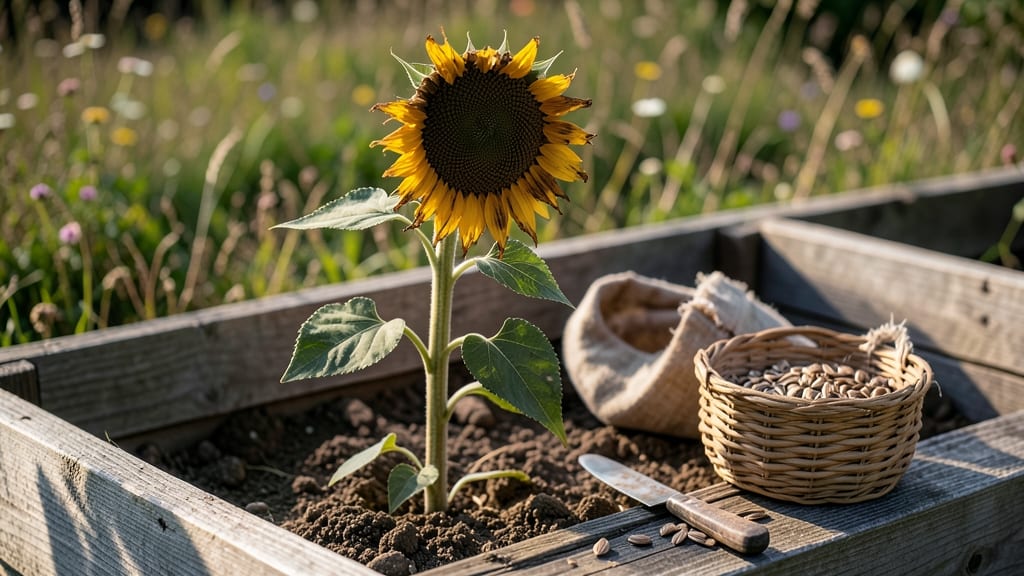
Not all sunflowers produce edible seeds—only specific varieties like Helianthus annuus (common sunflower) yield safe, flavorful seeds for eating, while many ornamental or hybrid types contain bitter or potentially toxic compounds. Always confirm the plant type before harvesting seeds for consumption.
Sunflower seeds come in two distinct categories: those bred for eating and those grown purely for decoration. 🌻 The common sunflower (Helianthus annuus) is the only variety cultivated for edible seeds, prized for their nutty flavor and high nutritional value.
Many hybrid or ornamental sunflowers, however, develop seeds that are either bitter, tough-shelled, or—rarely—contain trace amounts of helianthinin, a compound that can cause mild digestive upset. This distinction matters because even visually similar plants can belong to different species, such as Helianthus debilis, which produces inedible seeds.
To safely harvest seeds for eating, focus on plants with large, single-headed blooms and thin, black-and-white striped shells—classic traits of edible varieties. Always source seeds from reputable nurseries or certified organic growers, as seeds from wild plants or garden centers may belong to non-edible types.
When in doubt, conduct a simple taste test on a small batch of dried seeds before full-scale harvesting.
💡 In This Article
- Edible vs. Non-Edible Sunflower Seed Varieties: Key Differences
- How to Identify Safe Sunflower Seeds for Harvesting
Edible vs. non-edible sunflower seed varieties: key differences
The core difference between edible and non-edible sunflower seeds lies in their botanical classification and breeding purpose. Helianthus annuus is the only species cultivated specifically for seed production, with varieties like 'Mammoth' or 'Russian Giant' bred to maximize seed yield and flavor.
These plants develop large, 30-50mm seeds with thin shells that crack easily when roasted, releasing the nutty, buttery flavor we recognize.
Ornamental sunflowers, however, often belong to different species like Helianthus debilis or Helianthus laetiflorus, which produce smaller seeds with thicker shells containing higher levels of helianthinin—a compound that can cause mild gastrointestinal discomfort in some people.
The breeding process also plays a role: ornamental varieties are selected for vibrant petals and compact growth rather than seed quality, resulting in seeds that may be bitter or tough to digest.
Another key distinction is the seed's chemical composition. Edible sunflower seeds contain approximately 50% healthy fats (mostly linoleic acid) and 20% protein, while non-edible varieties often have lower fat content and higher fiber content in their shells, making them less palatable.
The presence of resinous compounds in ornamental seeds can also leave an unpleasant aftertaste, similar to how some wild plants develop bitter defenses against predators.
Visual differences often reveal the distinction: edible sunflower heads typically measure 10-16 inches in diameter with seeds arranged in a single layer, while ornamental varieties may have smaller heads (4-8 inches) or multiple seed layers per head.
The seed shells of edible varieties are usually black with white stripes, while non-edible seeds may have gray or brown shells that appear duller and more fibrous.
What most people don't realize is that even within Helianthus annuus, some modern hybrids have been bred for oil extraction rather than direct consumption. These industrial varieties may still be technically edible but often lack the rich flavor and texture of traditional seed-eating cultivars.
Always check the plant's intended use before harvesting—many garden centers sell sunflowers labeled "decorative" that are completely unsuitable for eating.
For those interested in growing edible sunflowers, look for varieties specifically marketed as "seed-eating" or "oilseed" types. These are typically larger, more robust plants that produce seeds with 15-20% less shell-to-seed ratio than ornamental varieties, making them far more efficient for harvesting and processing. 🌻