
Lawn
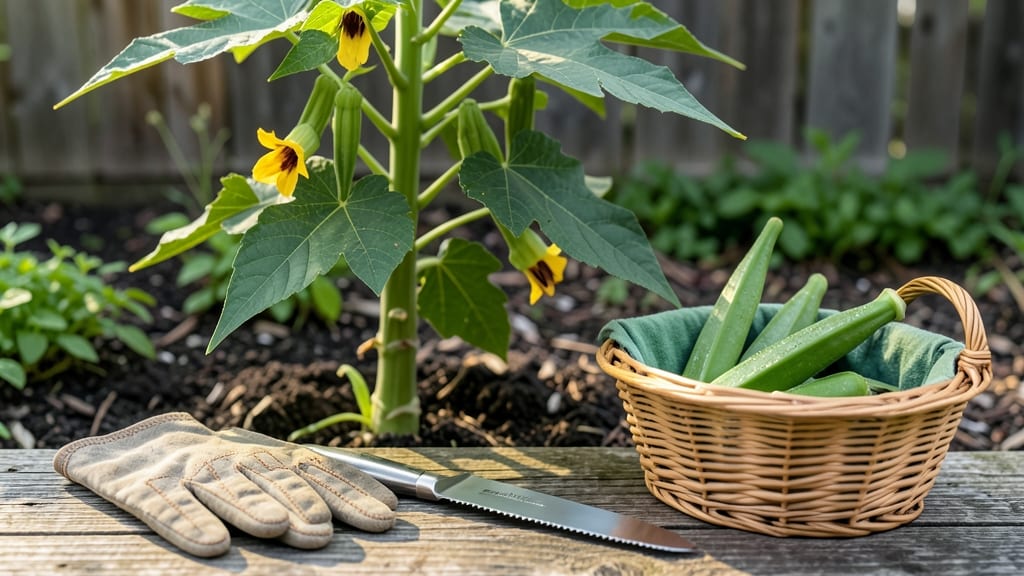
Harvesting mallow family edible seed pods without the frustrating twist-and-pull struggle is possible—and it starts with the right approach. 🌱 I’ve spent years perfecting a method that turns seed-saving from a messy chore into a smooth, zero-waste process, whether you’re working with okra, hibiscus, or malva.
The key? Understanding when and how to harvest for maximum yield while keeping the pods intact.
These plants thrive in warm climates with full sun and well-draining soil, but even beginners can succeed with a few simple adjustments. Start by choosing varieties known for their edible seed pods—okra’s crisp pods, hibiscus’ vibrant blooms, or malva’s delicate leaves—each offering unique flavors and textures.
The twist-free harvesting trick lies in timing: wait until pods are fully mature but still firm, then use a sharp knife or clean scissors to avoid damaging the plant.
What you’ll end up with is a bounty of seeds ready for saving or culinary use, plus the satisfaction of a garden that gives back in multiple ways.
Dried hibiscus pods make fragrant teas, okra seeds can be roasted like nuts, and malva leaves add a mild spinach-like flavor to dishes. The best part? You’ll cut waste while building a sustainable seed supply for next season.
This method works for any mallow family plant, from backyard gardens to container setups, and adapts easily to different climates. Whether you’re a seasoned gardener or just starting, these techniques will transform your seed-saving game—no frustrating twists required. Let’s get those pods harvested the right way!
📚 In This Guide
- What you need
- Instructions
- Tips and common mistakes
- Wrapping up and next steps
What you need
- ● Mature seed pods: Fully dried, brown pods from Malva neglecta (cheese mallow), Sida hermaphrodita (wireweed), or other edible mallow species (collect 1–2 cups for a small batch).
- ● Paper bags or breathable fabric sacks: 2–3 medium-sized (8x10 inches) to collect pods without crushing them.
- ● Scissors or pruning shears: Sharp, clean pair to snip pods from stems (avoid dull blades that tear fibers).
- ● Large baking sheet or tray: 18x12 inches (lined with parchment paper) for drying seeds.
- ● Fine-mesh sieve or colander: 4–6 inches in diameter with holes ¼ inch or smaller to separate seeds from chaff.
- ● Small bowls or containers: 2–3 (for sorting seeds by size/color).
- ○ Air-tight storage jars or envelopes: 2–4 (2 oz–4 oz size) with desiccant packets (optional but recommended).
- ● Gloves (nitrile or cotton): Protects hands from prickly stems or mild irritants.
- ● Magnifying glass: Helps spot tiny seeds or debris during sorting.
- ● Food dehydrator: Speeds up drying if humidity is high (set to 95°F for 4–6 hours).
- ● Labeling tags & permanent marker: Mark jars with species name + date (e.g., "Malva 2024").
- ● Small paintbrush: Gently dislodges seeds stuck to pod walls.
Step-by-step guide to harvesting edible seed pods from the mallow family
Here’s how to collect seeds from okra, hollyhock, or hibiscus without the frustrating twist-and-pull struggle.
🌱 Step 1: Wait for the Right Ripeness
Harvest pods when they’re fully mature but still dry to the touch—this is key. For okra, wait until the pods turn a deep green or slightly yellowish and feel papery when gently squeezed. Hollyhock seed pods should split open naturally along one seam, revealing fluffy seed clusters inside. If you pick them too early, the seeds won’t be viable.
I always test a few pods first by cracking one open. The seeds should be dark and firm, not soft or shriveled. This ensures they’ll store well and germinate properly later. If you miss the window, pods may shatter on the plant, scattering seeds everywhere.
💧 Step 2: Gather Pods Without Damaging Them
Use clean, sharp scissors or pruning shears to snip the entire pod off the stem, leaving about ½ inch of stem attached. This prevents seeds from spilling out prematurely. Place pods in a paper bag (not plastic—it traps moisture) and label them with the plant name and harvest date.
Don’t twist or pull pods off by hand—this often crushes seeds or leaves behind empty husks. If pods are stubborn, gently wiggle them side to side while cutting to avoid tearing. Work on a dry day; damp pods are harder to handle and may mold if stored wet.
⏰ Step 3: Dry and Open Pods for Seed Extraction
Spread pods in a single layer on a screen or clean towel in a warm, dry place for 3-5 days. They’re ready when they rattle when shaken—this means the seeds are fully dry inside. Avoid direct sunlight, which can overheat and crack the pods prematurely.
Once dry, place each pod in a brown paper bag and crush it gently with your hands or a rolling pin. Shake the bag to separate seeds from chaff. Hollyhock seeds often cling to fluffy fibers, so I sift them through a fine mesh strainer to collect the clean seeds at the bottom.
🪴 Step 4: Store Seeds for Future Planting
Transfer clean seeds to an airtight container like a glass jar or envelope. Add a silica gel packet or a few grains of rice to absorb excess moisture. Label with the plant name, harvest year, and any notes (like color variations). Store in a cool, dark place—seeds from the mallow family last 2-3 years if kept dry.
Don’t skip the drying step—even slightly damp seeds will mold. I test a few seeds by planting them in moist paper towels; if they sprout within 7-10 days, your batch is viable. If not, try again with a fresh pod batch.
🌿 Step 5: Use the Pods (Don’t Waste Them!)
Before discarding empty pods, check if they’re edible or useful. Okra pods are best harvested young, but mature pods can be dried and ground into a flour. Hollyhock petals make beautiful tea or garnishes, and hibiscus pods can be candied. If unsure, compost the husks—just avoid plastic bags to prevent mold.
I always save a few pods to replant the following season. The mallow family thrives on self-seeding, but harvesting ensures you control the varieties. Plus, it’s incredibly satisfying to grow plants from seeds you saved yourself!
Tips & tricks for perfect mallow family seed harvesting
These little-known tricks will transform your seed-saving game from frustrating to foolproof—no more wasted pods or scattered seeds!
Ripeness Test: In Step 1, when checking pod ripeness, focus on the sound too—mature pods make a hollow "tap" when knocked together, while unripe ones sound solid. I learned this the hard way after harvesting okra pods that were too green and found they crumbled when dried. For hibiscus, look for pods that split open naturally—this is your cue they're ready.
Harvesting Hack: Step 2 warns about avoiding plastic bags, but here's what nobody tells you—use brown paper bags with a few holes punched in the bottom. This lets moisture escape while keeping seeds contained, and the holes prevent mold buildup during transport. I've saved entire harvests this way after forgetting to label bags properly!
Drying Strategy: The 3-5 day drying time in Step 3 assumes ideal conditions (60-70°F with good airflow). In humid climates, extend drying to 7 days or use a fan on low setting to circulate air. Pro tip: Place pods on a wire cooling rack over a baking sheet—this elevates them for better airflow on all sides. Just avoid direct sunlight, which can scorch pods in as little as 2 hours.
Storage Wisdom: For Step 4, here's my secret weapon: I store seeds in small glass vials with a tiny pinch of silica gel and a drop of mineral oil. The oil creates a moisture barrier while the silica absorbs any lingering dampness. Label each vial with the harvest date—this helps track seed viability over those 2-3 years. If you're short on vials, repurpose small spice jars with tight lids.
Pro Tips for Mallow Family Edible Seed Pods
- These little-known tricks will transform your seed-saving game from frustrating to foolproof—no more wasted pods or scattered seeds!
- Ripeness Test: In Step 1, when checking pod ripeness, focus on the sound too—mature pods make a hollow "tap" when knocked together, while unripe ones sound solid.
- Harvesting Hack: Step 2 warns about avoiding plastic bags, but here's what nobody tells you—use brown paper bags with a few holes punched in the bottom.
Frequently asked questions
Got questions about harvesting and saving mallow family seed pods?
You’re not alone! Here are answers to the most common queries—from timing to troubleshooting—so you can master zero-waste seed saving like a pro.
When is the best time to harvest mallow family seed pods?
Harvest seed pods when they’re fully mature but before they split open naturally. For most mallow family plants (like okra or hollyhock), this means waiting until the pods turn dry, papery, or slightly browned—usually 4–8 weeks after flowering. Check daily in the last week of maturity to catch them at the perfect moment!
How do I know if the seeds inside are viable?
Viable seeds should be plump, firm, and uniformly colored (no shriveled or discolored ones). For extra assurance, do a float test: Drop a handful in water—viable seeds sink, while hollow or spoiled ones float. Store seeds in a cool, dry place (like a paper envelope) for up to 2–3 years for best germination.
What if my seed pods crack open before I can harvest them?
Don’t panic! If pods split prematurely, scatter the seeds on a tray or breathable fabric indoors to dry. Once fully dry, store them in a sealed container. For next season, try harvesting pods earlier or choose varieties known for slower dehiscence (like Abelmoschus esculentus ‘Clemson Spineless’ okra).
Can I eat the seed pods themselves, or just the seeds?
Many mallow family pods are edible! Young, tender pods (like okra or jute) are delicious raw or cooked—think stir-fries or pickles. Mature pods may be tougher but still usable in soups or fermented dishes. Always confirm edibility for lesser-known species, and avoid pods treated with pesticides.
Are there non-edible mallow family plants I should avoid?
Yes! Some mallow family members (like Sida spinosa or certain Malva species) have inedible or toxic pods/seeds. Stick to well-documented edibles like okra, hibiscus, or hollyhock. When in doubt, research the plant’s common name and genus before harvesting—or consult a local foraging guide.
Pro Tip:
Label everything! Use a sharpie on the pod or a small tag to note the plant variety and harvest date. This saves headaches later and helps you track which seeds perform best in your climate.
Wrapping up and next steps
Discovering the edible seed pods in the mallow family isn’t just a clever way to reduce food waste—it’s a rewarding step toward sustainable, zero-waste gardening. 🌱 From okra to hibiscus, these pods offer a nutrient-packed harvest that’s as good for your plate as it is for the planet.
Whether you’re a seasoned gardener or just starting out, this twist-free method makes seed saving simple and fun!
Ready to put your new skills to use? Start by identifying edible mallow family plants in your garden—or better yet, plant a few this season! Share your harvest with friends, experiment with recipes, or even donate extras to local food banks.
Every seed saved is a step toward a greener, tastier future. Happy harvesting! 🌟