
Lawn
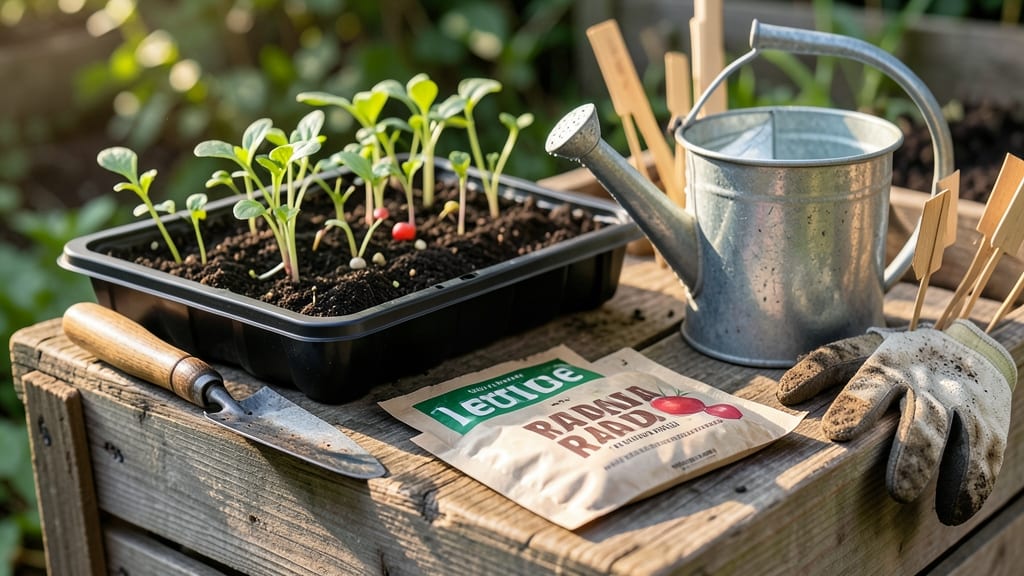
Direct seed planting skips the nursery step and puts you straight into growing thick, lush lawns and gardens—no transplant shock, no waiting. 🌱 After years of struggling with patchy grass from sod, I finally cracked the code with this no-till method that works even in dry climates.
The secret isn’t fancy tools but understanding how seeds need light, moisture, and just enough soil cover to germinate. You’ll need basic supplies: a rake for seedbed prep, a spreader (or just your hands), quality seed, and a gentle watering can.
The process takes about 30 minutes of active work, but the payoff is a lawn that fills in evenly without the brown patches from rolled sod. For vegetables, peas and beans thrive when direct-seeded—no need to buy fragile starts.
What you end up with is a carpet of grass or a vegetable patch that outgrows anything you’ve tried before. The roots establish deeper, the plants mature faster, and you save money by skipping the nursery. Even my neighbor’s skepticism faded when their lawn stayed green through last summer’s drought.
This method works for lawns, annual flowers, and most vegetables—just adjust seed depth and spacing. Here’s how to do it right the first time.
📚 In This Guide
- What you need
- Instructions
- Tips and common mistakes
- Wrapping up and next steps
What you need
- ● High-quality grass seed: Choose a cool-season blend (e.g., Kentucky Bluegrass, Fescue) or warm-season mix (e.g., Bermuda, Zoysia) based on your climate. Quantity: 5–10 lbs per 500 sq ft (follow package guidelines).
- ● Lawn starter fertilizer: Look for a balanced formula (e.g., 10-10-10 or 16-4-8) with slow-release nitrogen (1–1.5 lbs per 1,000 sq ft).
- ○ Seed spreader (broadcast or drop): A handheld or walk-behind model for even distribution. Optional: Rent a slit seeder for larger areas.
- ● Rake (bow or stiff-bristle): To loosen soil and create a fine, seed-friendly texture (avoid tilling!).
- ● Garden hose with adjustable nozzle: For gentle watering (avoid high pressure).
- ○ Mulching fabric (optional but helpful): Biodegradable or straw mulch (¼–½ inch thick) to retain moisture and protect seeds.
- ● Soil test kit (recommended): Check pH and nutrient levels before planting (ideal pH: 6.0–7.0 for most grasses).
- ● Soil conditioner: Compost or peat moss to improve drainage in heavy clay or sandy soil.
- ● Pre-emergent herbicide: Apply 2–4 weeks before seeding to prevent weeds (choose a selective option).
- ● Lawn roller (lightweight): For firming soil after seeding (only if soil is dry).
- ● Weather tracker app: Monitor moisture and temperature to water at optimal times.
- ● Knee pads or gardening stool: Because comfort matters when you’re on your hands and knees!
Step-by-step instructions for direct seed planting
Ready to grow a thick, lush lawn without tilling? This method saves time and protects soil health.
🌱 Step 1: Prepare the Soil Surface
Start by mowing your lawn as short as possible—this creates a clean surface for seeds to make direct contact with the soil. I like to set the mower to its lowest setting to remove any existing grass clippings that could block sunlight or compete with new seedlings. If you have weeds, lightly rake the area to expose bare soil while leaving existing grass intact.
Test the soil moisture by squeezing a handful—it should hold together but not be soggy. If it's too dry, water lightly until the top inch feels damp. This ensures seeds stay in place and don’t wash away when you water later. Avoid compacting the soil; just smooth out any rough patches with a level rake.
🌿 Step 2: Spread Grass Seed Evenly
Use a broadcast spreader to distribute the seed evenly across the prepared area. Walk slowly and overlap passes to avoid bare spots. I like to divide the area into sections and spread seed in one direction first, then perpendicularly to ensure full coverage. For a 4,000 sq ft lawn, aim for about 10-12 lbs of seed—check the seed bag for exact rates.
After spreading, lightly rake the area with a stiff-bristled rake to press seeds into the soil without burying them too deep. Seeds need light to germinate, so only cover them with a thin layer of soil or compost. If you see clumps of seed, break them up gently with your fingers to ensure even distribution.
💧 Step 3: Water Gently and Consistently
Water the seeded area immediately after planting to settle the seed into the soil. Use a gentle sprinkler or hose with a fine mist setting to avoid displacing seeds. Keep the soil surface damp but not waterlogged—think of a lightly wrung-out sponge. Water 2-3 times daily for the first 7-10 days, keeping the top inch of soil moist at all times.
Once the grass reaches 1-2 inches tall, reduce watering to 1-1.5 inches per week, including rainfall. You’ll know you’re doing it right when the soil stays consistently moist but never soggy. Overwatering can wash away seeds or cause them to rot before they sprout.
⏰ Step 4: Monitor and Maintain Until Germination
Germination typically takes 7-21 days, depending on the grass type and weather. Watch for the first green shoots—this is your signal that the seeds have taken hold. Avoid walking on the area until the grass is at least 3-4 inches tall to prevent damage to delicate seedlings.
If you notice bare patches after germination, spot-treat them with additional seed and keep the soil moist. Thin out any thick clusters of grass by gently pulling excess seedlings to give the remaining plants room to grow. Within 4-6 weeks, you’ll have a thick, uniform lawn ready for regular mowing and care.
Tips & tricks for perfect direct seed planting
Here's what nobody tells you about getting that flawless lawn start—these tricks make all the difference.
Timing Secret: The first 7-10 days after planting are the most critical for moisture. I set a reminder on my phone for 7 AM, noon, and 5 PM to water—this ensures consistent dampness without overwatering. A simple rain gauge helps track your 1-1.5 inches per week after germination. Use a spray bottle to check soil moisture: if it feels dry just below the surface, it's time to water again.
Equipment Upgrade: A slotted spreader is worth the investment—it helps distribute seed more evenly than hand-broadcasting. For larger lawns, consider a drop spreader which delivers a consistent rate. I also keep a small hand rake (about 8 inches wide) specifically for breaking up seed clumps after spreading. This prevents thick patches that can lead to uneven growth.
Common Mistake Fix: Don't be tempted to bury seeds more than ¼ inch deep—most grass seeds need light to germinate. If you're working with sandy soil that might wash seeds away, mix a thin layer of compost into the top inch before planting. This helps hold seeds in place while still allowing light penetration. I've seen seeds completely fail to sprout when buried too deeply in clay-heavy soils.
Weather Watch: Plant when your local forecast predicts steady temperatures between 60-75°F for at least 7-10 days. Cool nights below 50°F can slow germination, while temperatures above 85°F can cause seeds to dry out. I always check the 10-day forecast before starting—it's better to wait a week than deal with poor germination from unfavorable conditions.
Pro Tips for Direct Seed Planting
- Here's what nobody tells you about getting that flawless lawn start—these tricks make all the difference.
- Timing Secret: The first 7-10 days after planting are the most critical for moisture.
- Equipment Upgrade: A slotted spreader is worth the investment—it helps distribute seed more evenly than hand-broadcasting.
Frequently asked questions
Got questions about direct seed planting?
Here are answers to the most common ones—so you can skip the guesswork and get straight to growing that dream lawn!
What’s the best time of year to direct seed my lawn?
The ideal window depends on your climate, but spring (early April–May) and fall (late August–September) are the gold standards. Cooler temps reduce stress on seeds, and consistent moisture helps germination. Avoid seeding in extreme heat or drought—seeds need to stay moist for 7–10 days straight!
How long does it take for direct-seeded grass to establish?
Patience pays off! Most grass varieties show first sprouts in 7–21 days, but full establishment takes 4–6 weeks. Walk lightly on new seedlings (or avoid stepping on them entirely) until the grass reaches 3–4 inches tall and has deep roots. Thatch or foot traffic too soon = stunted growth.
Is direct seeding cheaper than sod, or are there hidden costs?
Direct seeding is almost always the budget-friendly winner—sod costs $0.50–$1.50 per sq. ft., while seeds run $0.05–$0.30 per sq. ft.. Hidden costs? Prep time, watering tools, and potential reseeding if germination fails. Factor in a quality starter fertilizer (~$20–$50) to boost early growth.
What do I do if my seeds aren’t germinating after 3 weeks?
Don’t panic! Check these fixes:
- Moisture: Seeds need consistent dampness (not soggy). Water lightly twice daily if soil dries fast.
- Depth: Most seeds need ¼-inch coverage—too deep = no sprouts.
- Temperature: Cool-season grasses (like fescue) need 50–70°F soil temps; warm-season (like Bermuda) prefer 75–85°F.
- Soil contact: Rake lightly to ensure seeds touch bare soil.
Will direct seeding attract pests like ants or birds?
Yes, but it’s temporary! Ants love seeds—scatter them with a light layer of soil or use a seed starter fertilizer to deter them. Birds? Try planting in windy conditions or covering seeds with straw or netting until germination. Once sprouts appear, pests lose interest!
Wrapping up and next steps
Direct seed planting is your ticket to a thick, vibrant lawn without the hassle of traditional sodding! By skipping tilling, you save time, reduce soil disruption, and create a healthier growing environment.
Whether you're a beginner or a seasoned gardener, this no-till method is simple, cost-effective, and eco-friendly—perfect for achieving that lush green carpet you’ve always dreamed of.
Ready to transform your yard? Grab your seeds, tools, and a sunny weekend—then roll up your sleeves and get planting! Start small if needed, but trust the process. Before you know it, you’ll be sipping lemonade on a soft, grassy oasis of your own making. 🌱✨