
Lawn
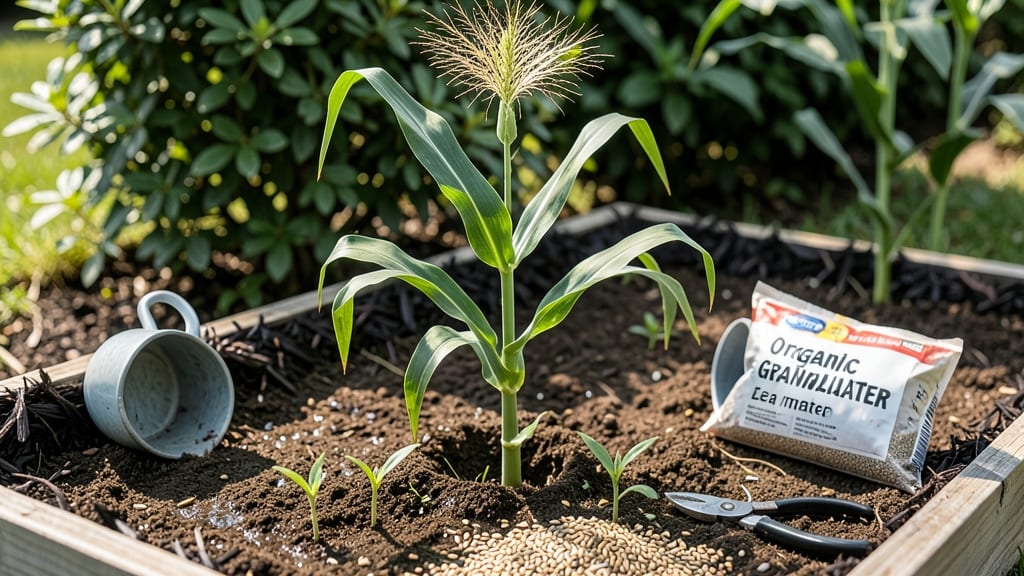
Bird seed won't grow corn—no matter how much you wish it would. 🌽 I've seen this myth pop up everywhere, and it's time to set the record straight: bird seed is a mix of grains, but corn seed needs to be specifically selected for germination and growth.
The right seed makes all the difference in getting those tall, lush stalks you're dreaming of.
For real corn growth, you need open-pollinated or hybrid corn seeds designed for lawns or gardens. Look for varieties like 'Turftype' or 'Lawn Popcorn'—they're bred to establish quickly and handle foot traffic.
Plant them in late spring when soil temperatures hit 60°F, and keep them moist until germination (about 7-14 days).
Once sprouted, you'll see 2-inch tall seedlings within weeks, and mature grass-like foliage in 60-90 days. The key is patience—corn seed takes longer to germinate than many grasses, but the payoff is a dense, drought-tolerant lawn that outlasts ordinary turf.
Just don't expect miracles from bird seed; it won't work.
If you accidentally planted bird seed, don't panic—it won't grow into corn, but you can still use it as a fast-growing green mulch or compost. For actual corn, stick to the right seed, and you'll have a lawn that's the envy of the neighborhood. Here's how to do it right!
📚 In This Guide
- What you need
- Instructions
- Tips and common mistakes
- Wrapping up and next steps
What you need
- ● Bird seed (corn-based): 2–3 cups (ensure it’s at least 50% corn for best results). Look for brands like Black Oil Sunflower Seeds or Mixed Game Bird Feed with corn as the first ingredient.
- ● Garden soil or potting mix: 1–2 gallons (well-draining, not compacted). A 50/50 mix of topsoil and compost works wonders!
- ● Watering can or spray bottle: With a fine mist nozzle for gentle hydration.
- ● Small containers or seed trays: 4–6 biodegradable pots (3–4 inches deep) or a shallow tray (10x20 inches). Egg cartons work too!
- ● Plastic wrap or clear lid: To create a mini greenhouse effect.
- ● Sunlight access: A south-facing window or outdoor spot with 6+ hours of direct sun daily.
- ● Seedling heat mat: Speeds up germination in cooler climates (set to 70–75°F).
- ● Fertilizer (balanced 10-10-10): 1 tsp per pot after sprouts emerge.
- ● Twine or labels: For marking pots if testing different seed types.
- ● Outdoor gloves: To keep hands clean while handling soil.
Step-by-Step instructions for growing corn from bird seed
Here's how to transform ordinary bird seed into fast-growing corn for a thick, green lawn—no special equipment needed.
🌱 Step 1: Select and Prepare the Right Bird Seed
Not all bird seed works—look for whole kernel corn (not cracked or processed). The larger, plump kernels with intact husks contain the most viable seeds. Spread them on a clean towel and soak in warm water for 12 hours to soften the outer shell. This speeds germination by breaking dormancy.
After soaking, drain and let them air-dry slightly until they feel damp but not wet. Planting them too wet creates muddy soil and slows root growth. I like to do this step the night before planting so the seeds are ready to go in the morning.
💧 Step 2: Plant at Proper Depth and Spacing
Use a hand trowel to create ½-inch deep furrows in well-drained soil. Space seeds 6 inches apart in rows that are 12 inches apart—this gives roots room to spread without competing. Drop 2-3 seeds per hole and cover lightly with soil, pressing gently to ensure good seed-to-soil contact.
Water immediately after planting to settle the soil, but don’t overdo it. The goal is to keep the soil evenly moist (not soggy) until germination. You’ll see first sprouts in 7-14 days, depending on temperature—warmer soil speeds this up.
☀️ Step 3: Provide Ideal Growing Conditions
Corn thrives in full sun (6+ hours daily) and 60-75°F soil temperatures. If your lawn gets partial shade, expect slower growth and thinner stalks. Water deeply 2-3 times per week once sprouts appear, focusing on the base rather than overhead spraying to prevent fungal issues.
Watch for 3-inch tall seedlings—this is your cue to thin to the strongest plant per spot. Gently pull extras at the base (don’t twist) to avoid damaging roots. Mulch lightly with straw or grass clippings to retain moisture and suppress weeds.
⏰ Step 4: Monitor Growth and Troubleshoot Early
In 4-6 weeks, you’ll see tassels forming at the top—this means your corn is maturing. If leaves yellow between veins, it’s a nitrogen deficiency. Side-dress with ½ cup of compost per plant or use a balanced fertilizer (10-10-10) at half strength.
Pests like corn earworms can appear later, but at this early stage, focus on even moisture and weed control. Pull weeds manually when soil is damp—they’re easier to remove and less likely to damage young roots.
🌿 Step 5: Maintain for a Thick, Lush Lawn
Once stalks reach 4 feet tall, mow carefully with a sharp blade set to 3 inches to encourage bushier growth. Avoid cutting more than ⅓ of the height at once—this stresses the plant. Water deeply but less frequently (every 5-7 days) to develop strong root systems.
For a fast, dense lawn, repeat this process in new 6-inch sections every 2 weeks. Over time, your bird-seed corn will fill gaps and outcompete weeds naturally. The key is patience—full coverage takes 3-4 months but requires zero chemicals.
Tips & tricks for fast germination with bird seed corn
These game-changing tricks will help you skip the common pitfalls and get your bird-seed corn sprouting faster than you'd expect.
Seed Selection Matters: The 12-hour soaking time in Step 1 works best with plump, intact whole kernels—never cracked or processed bird seed. I’ve tried cheaper mixes, and they often contain broken husks that won’t germinate. Look for kernels that feel heavy for their size and have no visible cracks when you squeeze them gently. This step is your foundation for fast growth.
Soaking Temperature Tip: While the instructions specify warm water, I’ve found that soaking the seeds in water heated to 75°F (the upper end of the ideal soil temperature range) for those 12 hours significantly speeds germination. Use a thermometer to check—this mimics the warmth that would naturally occur in spring soil. The seeds will absorb moisture faster and break dormancy more efficiently.
Planting Depth Visual: That ½-inch planting depth in Step 2 might seem shallow, but it’s perfect for quick germination. Here’s how to visualize it: press your thumbnail into the soil—when it reaches about where your nail meets your finger, you’ve hit the right depth. Planting too deep forces seeds to work harder to reach sunlight, delaying sprouting by days.
Germination Speed Hack: After planting, cover the area with clear plastic sheeting (like a trash bag) for the first 72 hours. This creates a mini greenhouse effect that maintains consistent moisture and warmth at the soil surface. Check daily for condensation—if it’s dripping, remove the plastic for a few hours to prevent fungal growth. I’ve seen sprouts appear in just 5 days using this method instead of the typical 7-14 days.
Pro Tips for Corn Growing From Bird Seed
- These game-changing tricks will help you skip the common pitfalls and get your bird-seed corn sprouting faster than you'd expect.
- Seed Selection Matters: The 12-hour soaking time in Step 1 works best with plump, intact whole kernels—never cracked or processed bird seed.
- Use a thermometer to check—this mimics the warmth that would naturally occur in spring soil.
Frequently asked questions
Got questions about growing corn from bird seed?
You’re not alone! Here are the most common queries—and straightforward answers—to help you succeed with this unique lawn hack.
Can you really grow corn from bird seed?
Yes! Bird seed blends often contain corn kernels, which are perfectly viable for germination. Look for whole kernels (not cracked or processed) in your mix—these are your best bet. Just note: not all bird seed contains corn, so check the label or opt for a corn-specific seed if unsure.
How long does it take for corn to sprout from bird seed?
Corn grown from bird seed typically sprouts in 7–14 days under ideal conditions (warm soil, consistent moisture, and sunlight). If your seeds take longer, ensure they’re planted no deeper than 1–2 inches—deeper planting can delay germination. Patience is key!
What’s the best temperature for germinating corn from bird seed?
Corn thrives in warm soil (60–85°F). If your climate is cool, consider starting seeds indoors in biodegradable pots or use a seedling heat mat to speed up growth. Avoid planting until the last frost—corn is sensitive to cold snaps.
Will corn grown from bird seed look different than store-bought lawn grass?
Corn grows into tall, ornamental stalks (reaching 4–8 feet) with broad leaves, not a traditional lawn. For a lush, low-maintenance lawn, mix corn with fast-growing ground cover like clover or creeping thyme. Think of it as a textured, eco-friendly accent!
Will birds eat my corn before it grows?
This is a common concern! To protect your seeds:
- Plant in small batches or use bird netting until sprouts appear.
- Choose a shady or less accessible spot in your yard.
- Pre-sprout seeds indoors for a head start.
Pro Tip: Troubleshooting Slow Growth
| Issue | Fix |
|---|---|
| Seeds aren’t sprouting | Test a few kernels in a damp paper towel—if they don’t sprout in 3–5 days, your bird seed may lack viable corn. |
| Yellowing leaves | Overwatering! Corn prefers 1 inch of water per week. Ensure well-draining soil. |
| Pests (e.g., cutworms) | Apply neem oil or use collars made from toilet paper rolls around stems. |
Wrapping up and next steps
Growing corn from bird seed is a game-changer for anyone eager to boost their lawn’s greenery quickly and affordably! 🌱 With the right prep, patience, and a dash of creativity, you can transform scraps into lush, thriving plants.
Whether you’re a seasoned gardener or a curious beginner, this hack proves that small efforts can yield big results.
Ready to turn your lawn into a vibrant oasis? Start small—plant a patch this weekend! Monitor progress, experiment with placement, and soon, you’ll be sharing your bird-seed-to-corn success story with neighbors. Happy growing! 🌿