
Lawn
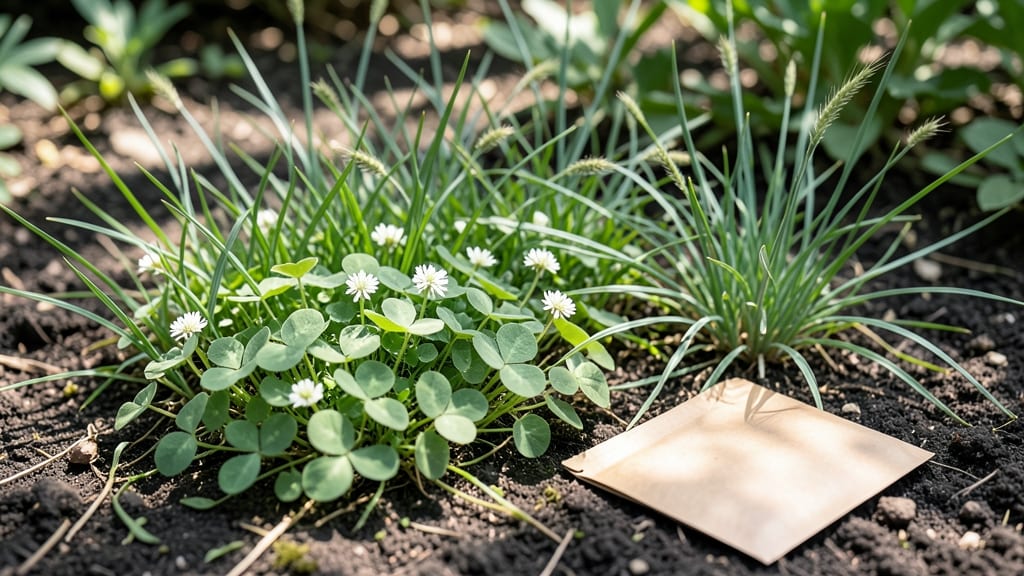
Mixing clover and grass seed creates a lawn that stays green longer, crowds out weeds, and needs less water. 🌱 I’ve tried both separately, but the combination is where the magic happens—thicker ground cover, deeper roots, and a lawn that thrives even when grass alone struggles.
The secret isn’t complicated: clover adds nitrogen to the soil while grass provides structure. You’ll need a light rake, a seed spreader, and 10-15 minutes per 1,000 sq ft to get it right. No fancy tools, just patience and the right timing.
By late spring, you’ll see a vibrant, weed-resistant carpet that stays lush through droughts and recovers faster from foot traffic. The clover blooms add pollinator-friendly color, while the grass holds its shape. Works for lawns, meadows, or erosion-prone slopes—just adjust the mix ratio based on your climate.
Let’s get that seed in the ground!
📚 In This Guide
- What you need
- Instructions
- Tips and common mistakes
- Wrapping up and next steps
What you need
- ● Clover seed (white Dutch clover recommended): 0.5–1 lb per 100 sq ft (adjust for shade/sun exposure)
- ● Choose certified organic or weed-free varieties for best results.
- ● Grass seed (fine fescue or Kentucky bluegrass blend): 2–3 lbs per 100 sq ft (high-quality, slow-release for even germination)
- ● Topsoil or compost: ¼–½ inch layer per 100 sq ft (improves drainage and nutrient retention)
- ● Broadcast spreader (for even distribution): Adjustable for seeds and soil amendments.
- ● Rake (bow or leaf rake): Medium-tooth for leveling soil.
- ○ Lawn roller (optional, 50–100 lb): Helps press seeds into soil for better contact.
- ● Garden hose with spray nozzle: For light, frequent watering.
- ● Gloves and knee pads: Protect your hands and comfort during planting!
- ● Starter fertilizer (low-nitrogen, 5-10-10 ratio): ½ lb per 100 sq ft to boost early growth.
- ● Lawn lime (if soil pH Test kit recommended for accuracy.
- ● Mulch or straw: Light layer to retain moisture during germination.
- ● Soil test kit: Ensures optimal pH and nutrient balance before planting.
Step-by-step instructions for layered clover and grass seed planting
Here's how to create a thick, resilient lawn that crowds out weeds naturally.
🌱 Step 1: Prepare the Soil for Optimal Seed Contact
Rake the existing lawn or bare soil until it's completely smooth and free of debris. You want a fine, crumbly texture—like cake batter—so seeds can nestle into the soil rather than sit on top. I use a stiff-bristled rake to break up any clumps and create a seed bed that's ready for planting.
If your soil is compacted, aerate first with a core aerator. You'll see small plugs of soil pop up—this opens channels for roots to grow deep. For clay-heavy soil, mix in 1-2 inches of compost to improve drainage and fertility. The goal is loose, well-drained soil that holds moisture without becoming waterlogged.
💧 Step 2: Spread Grass Seed First for Foundation
Use a broadcast spreader to apply the grass seed evenly across the prepared area. I like to work in small sections—about 5 feet by 5 feet at a time—to ensure even coverage. Walk slowly and overlap each pass slightly to avoid thin spots. For a 4,000 square foot lawn, you'll need about 8-10 pounds of grass seed (check the seed package for exact rates).
Lightly rake the area again with a leaf rake to press the seeds into the soil just enough so they make contact but don't get buried. This ensures good seed-to-soil contact for germination. If you're planting in dry conditions, give the area a light misting with water—just enough to dampen the surface without creating puddles.
☀️ Step 3: Layer Clover Seed for Weed Suppression
Once the grass seed is down, it's time for the clover. Use the same broadcast spreader to apply the clover seed, but this time focus on 1-2 pounds per 1,000 square feet. Clover spreads aggressively, so you don't need much to crowd out weeds. Rake lightly again to ensure the seeds make contact with the soil.
Here's the thing—clover thrives in partial shade and tolerates foot traffic better than grass. Mixing it in creates a lawn that stays green longer in hot weather and recovers faster from wear. After spreading, give the entire area a thorough watering until the top 2 inches of soil feels uniformly moist. Avoid heavy watering, which can wash seeds away.
🪴 Step 4: Maintain Consistent Moisture for Germination
Keep the soil consistently moist for the first 3-4 weeks—that's critical for both grass and clover to establish roots. Water lightly once or twice daily (early morning is best) to keep the surface damp but not soggy. You'll know you're doing it right when the soil feels like a wrung-out sponge: damp but not dripping.
Once the grass reaches 2-3 inches tall, you can reduce watering to 1-2 times per week, depending on rainfall. Clover will start showing up as small, round leaves—don't be tempted to pull them out! They're working to strengthen your lawn. Within 6-8 weeks, you'll see a dense, weed-resistant carpet forming.
⏰ Step 5: Mow and Maintain the Layered Lawn
Wait until the grass reaches 3-4 inches tall before the first mow. Set your mower to 3 inches to encourage deep root growth and shade out weeds. Clover will naturally fill in bare spots, so you won't need to overseed as often. I mow every 5-7 days during growing season to keep the lawn healthy and prevent thatch buildup.
Fertilize lightly in early spring with a low-nitrogen, high-potassium blend to support both grass and clover. Avoid heavy nitrogen—it can weaken clover's natural weed-fighting abilities. With this mix, you'll have a lawn that stays lush, resists weeds, and handles foot traffic like a champ.
Tips & tricks for perfect layered lawn planting
These simple strategies will help you avoid common pitfalls and create the most resilient lawn possible.
Soil Prep Secret: Don't skip the aeration step if your lawn feels spongy when you walk on it. Compacted soil smothers seeds and prevents roots from growing deep. I test soil compaction by pushing a screwdriver in—if it won't go past 1 inch, aerate first. For clay soil, mix in compost before spreading seeds to improve drainage and create that perfect crumbly texture.
Seed Spreading Technique: The 5x5-foot sections in Step 2 are key for even coverage. Walk in a crisscross pattern when spreading seeds—first north to south, then east to west—to catch any missed spots. For large areas, consider renting a walk-behind spreader for consistency. And here's what nobody tells you: overlap your passes by about 6 inches to prevent thin patches that weeds love.
Watering Wisdom: That "wrung-out sponge" test in Step 4 is your best friend. Use a rain gauge or tuna can to measure water—you want about 1 inch per week total (including rainfall). Early morning watering prevents fungal growth, and using a soaker hose keeps water at soil level where seeds need it most. If you see water pooling, your soil needs more compost to improve absorption.
Timing Tip: The 3-4 week moisture window is non-negotiable for germination. Set a calendar reminder to check soil moisture daily—if the top inch feels dry, water immediately. Once grass reaches 2-3 inches, you can ease up, but keep an eye out for clover's round leaves appearing around week 4. They're your secret weapon against weeds!
Pro Tips for Clover And Grass Seed
- These simple strategies will help you avoid common pitfalls and create the most resilient lawn possible.
- Soil Prep Secret: Don't skip the aeration step if your lawn feels spongy when you walk on it.
- Seed Spreading Technique: The 5x5-foot sections in Step 2 are key for even coverage.
Frequently asked questions
Got questions about mixing clover and grass seed for your lawn? You’re not alone!
Here are some of the most common queries—plus straightforward answers to help you grow a thriving, low-maintenance yard.
Can I mix clover and grass seed in any ratio?
The ideal ratio depends on your goals. For a balanced lawn, try 80% grass seed (cool-season or warm-season) and 20% clover. This reduces weeds while keeping soil health strong. For drought-prone areas, boost clover to 30-40%—it’s drought-tolerant and fixes nitrogen! Test small patches first to see what works best for your climate.
When is the best time to plant clover and grass seed together?
Timing is key! For cool-season grasses (like Kentucky bluegrass), plant in early fall (Sept–Oct) or early spring (March–April). For warm-season grasses (like Bermuda), aim for late spring (May–June). Clover thrives in similar windows—just ensure soil temps are 50–70°F for optimal germination. Avoid planting in extreme heat or cold.
Will clover choke out my grass over time?
Not if you balance the mix! Clover spreads via stolons (underground runners) but won’t dominate if you:
- Mow clover at 3–4 inches (higher than grass) to limit its spread.
- Use shade-tolerant grasses (like fine fescue) if clover takes over sunny spots.
- Re-seed grass annually in thin areas to maintain density.
Is a clover-grass mix more expensive than planting grass alone?
Not necessarily! While clover seed costs $1–$3 per pound (vs. $0.50–$2 for grass), it cuts long-term costs by:
- Reducing fertilizer needs (clover fixes nitrogen).
- Lowering water use (clover stays green in droughts).
- Minimizing weed control (fewer bare spots).
Do I need special equipment to plant clover and grass seed together?
Basic tools work! You’ll need:
- A broadcast spreader (for even distribution).
- A lawn rake or slit seeder (to scratch seeds into soil).
- Lightweight straw mulch (to hold seeds in place).
What if my clover-grass mix fails to grow?
Troubleshoot with this quick guide:
Problem
Fix
Thin germination
Water lightly daily (keep soil damp, not soggy) for 2–3 weeks.
Weeds taking over
Hand-pull weeds early or apply corn gluten meal (natural pre-emergent).
Brown patches
Check for fungus (dollar spot)—improve air flow and reduce watering.
Clover dominates
Spot-treat with a selective herbicide (like 2,4-D) or overseed with grass.
Most issues stem from poor soil contact or inconsistent moisture. Don’t give up—replant if needed!
Wrapping up and next steps
Transforming your lawn into a thriving, weed-resistant oasis is totally within reach! By combining clover and grass seed in layered planting, you’re not just fighting weeds—you’re creating a hardier, greener space that’s easier to maintain. The key? Patience, proper prep, and a little elbow grease. 🌱
Ready to take the next step? Start by testing your soil this weekend—your future lawn will thank you! Happy planting!