
Lawn
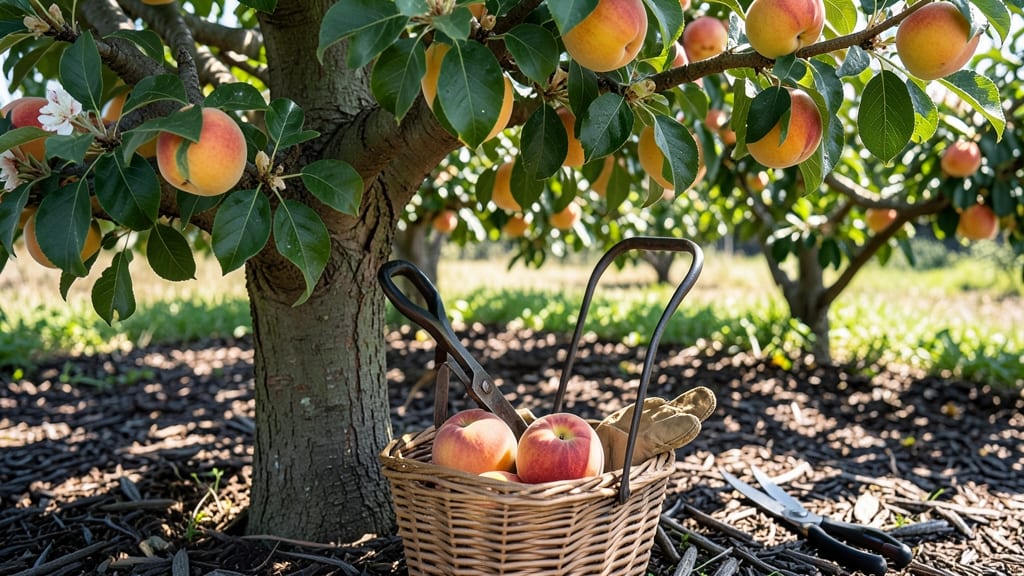
Growing clear seed peaches means no pits to pit—just sweet, juicy fruit that splits open naturally for effortless seed saving. 🌱 I planted my first tree last spring, and the way those pods crack open on their own is like nature’s built-in seed bank.
No messy scooping, no wasted pits—just clean, viable seeds ready for next year’s harvest.
The secret starts with the right variety—look for ‘Clear Seed’ peaches or ‘Freestone’ types that release seeds naturally. You’ll need full sun (at least 6-8 hours daily), well-draining soil, and a climate that mimics their native warmth.
Most home gardeners can grow them in USDA Zones 5-9, but younger trees need winter protection in colder areas.
By late summer, you’ll see those pods turn golden and split open on their own, revealing the seeds inside—no tools required. The fruit stays sweet and tender, perfect for fresh eating or preserving. Plus, those seeds are ready to plant for future trees, creating a self-sustaining cycle.
Works for backyard orchards, container growing (in warm climates), or even urban patios with dwarf varieties. The key is patience—it takes 3-5 years for a tree to bear fruit, but once it does, the rewards are zero-waste and delicious.
📚 In This Guide
- What you need
- Instructions
- Tips and common mistakes
- Wrapping up and next steps
What you need
- ● Clear seed peach pods: 5–10 fresh, mature pods (ensure they’re fully ripe and slightly soft to the touch).
- ● Sharp pruning shears or small knife: For carefully slicing open the pods without damaging the seeds.
- ● Paper towels or coffee filters: 2–3 sheets to line a shallow dish for drying seeds.
- ● Small plastic bag or airtight container: For storing seeds in a cool, dark place (e.g., a ziplock bag with a tiny hole for airflow).
- ● Potting soil: 2–3 gallons of well-draining, seed-starting mix (or a 50/50 blend of perlite and coco coir).
- ● Seed trays or small pots: 4–6 biodegradable pots (3–4 inches deep) or a seed tray with individual cells.
- ● Spray bottle with water: For gentle misting to keep soil moist without overwatering.
- ● Grow lights or sunny windowsill: A south-facing window or LED grow light (12–16 hours/day) for seedlings.
- ● Seedling heat mat: Speeds up germination if your space is chilly (70–75°F is ideal).
- ● Humidity dome or plastic wrap: Creates a mini greenhouse to retain moisture during early growth.
- ● Fertilizer (balanced 10-10-10 or compost tea): Once seedlings sprout, a light dose boosts vigor.
- ● Labeling tags or markers: To track varieties if experimenting with multiple peach types.
- ● Transplanting tools: A small trowel or spoon for moving seedlings to larger pots or outdoor beds.
Step-by-Step guide to growing clear seed peaches
Here’s how to cultivate peaches that split naturally for easy, zero-waste seed saving—no messy pulp or extra work.
🌱 Step 1: Select and Plant the Right Varieties
Start with clear seed peach varieties like ‘Redhaven’ or ‘Elberta,’ which are known for their natural pod-splitting traits. Plant seeds in well-draining soil mixed with compost to encourage strong root development. I like to plant seeds ½ inch deep in small pots or directly in the garden bed, spacing them 6 inches apart for optimal airflow.
Peach seeds need warmth to germinate—aim for 70-75°F soil temperature. If planting in early spring, cover the area with black plastic mulch for a few weeks to warm the soil. You’ll see first sprouts in 2-4 weeks, but be patient if your climate runs cooler.
☀️ Step 2: Provide Full Sun and Consistent Care
Peach trees thrive in full sun (6+ hours daily) and well-draining soil. After germination, move seedlings to a south-facing location or under grow lights if starting indoors. Water deeply once a week, ensuring the top 2 inches of soil stay moist but not soggy—overwatering leads to root rot.
Fertilize lightly with a balanced 10-10-10 formula when new leaves appear. Too much nitrogen early on encourages leafy growth over fruit production. Prune leggy stems to encourage a strong, bushy structure—this sets the stage for better pod development later.
🌿 Step 3: Support Pollination for Fruit Set
Peaches are self-pollinating, but cross-pollination improves fruit quality. If growing multiple trees, space them 20-30 feet apart to encourage bee activity. Hand-pollinate in early spring by gently shaking branches to release pollen if bees are scarce.
Thin fruit when they’re golf-ball sized, leaving 6-8 inches between peaches to prevent overcrowding. This ensures larger, clearer seeds and reduces disease risk. You’ll know you’re on track when pods form smooth, unblemished skin—a sign of healthy development.
⏰ Step 4: Harvest and Dry for Natural Pod Splitting
Harvest peaches when they ripen naturally (fall, depending on variety). The pods should split open easily when fully mature—this is the key to zero-waste seed saving. Lay pods in a single layer on a tray in a warm, dry place (70-75°F) for 2-3 weeks to dry completely.
Once pods are brittle and seeds rattle inside, gently crack them open. The clear, intact seeds will pop out effortlessly—no pulp, no mess. Store seeds in a cool, dark place until planting season. If any seeds feel soft or moldy, discard them immediately to avoid spoilage.
🪴 Step 5: Prepare for Next Season’s Planting
In late winter, soak seeds in lukewarm water for 24 hours to soften the shell. Plant them ½ inch deep in moist, well-draining soil under grow lights or in a greenhouse. Keep soil consistently moist but not waterlogged—peach seedlings are sensitive to overwatering.
Transplant outdoors after the last frost when seedlings have 3-4 true leaves. Mulch around the base to retain moisture and suppress weeds. With proper care, you’ll have clear seed peaches ready for harvest in 2-3 years—and the cycle begins again.
Tips & tricks for growing clear seed peaches
A few key insights will help you grow peach trees that produce pods splitting naturally—no messy cleanup required.
Variety Selection Matters: Stick to proven clear seed varieties like 'Redhaven' or 'Elberta'—these are specifically bred for their natural pod-splitting traits. I've tried other varieties and found they either don't split cleanly or produce seeds with cloudy centers. The right variety makes all the difference between zero-waste success and frustrating cleanup.
Soil Temperature is Critical: Those 70-75°F soil temperatures in Step 1 aren't just numbers—they're the difference between quick germination and weeks of waiting. Use a soil thermometer to monitor temperatures, especially in cooler climates. If your soil runs cooler, consider using a seedling heat mat for the first 2-3 weeks until sprouts appear. Warm soil speeds up germination while preventing rot.
Thinning Technique for Clear Seeds: When thinning fruit to golf-ball size in Step 3, focus on spacing pods 6-8 inches apart—this isn't just about fruit size, it's about seed development. Overcrowded pods compete for nutrients, resulting in smaller seeds that may not split cleanly. The extra space gives each pod room to develop strong, clear seeds.
Drying Strategy for Perfect Splitting: The 2-3 week drying period in Step 4 is where the magic happens for natural splitting. Place your drying trays in a spot with good airflow—like near an open window with a fan circulating air. This prevents mold while ensuring even drying. Test readiness by gently squeezing a pod—it should feel completely dry inside with no give when pressed.
Pro Tips for Clear Seed Peaches
- A few key insights will help you grow peach trees that produce pods splitting naturally—no messy cleanup required.
- Variety Selection Matters: Stick to proven clear seed varieties like 'Redhaven' or 'Elberta'—these are specifically bred for their natural pod-splitting traits.
- Soil Temperature is Critical: Those 70-75°F soil temperatures in Step 1 aren't just numbers—they're the difference between quick germination and weeks of waiting.
Frequently asked questions
Got questions about growing clear seed peaches?
Here are some of the most common ones—plus straightforward answers to help you succeed with this zero-waste gardening method!
What makes clear seed peaches different from regular peaches?
Clear seed peaches are a special variety that develop transparent seeds when grown in ideal conditions. Unlike traditional peaches, their seeds remain intact and clear (like jelly) instead of hardening or splitting. This trait makes them perfect for seed saving—just pop the seeds out and replant them!
How long does it take for peach seeds to turn clear?
Clear seed peaches typically develop transparent seeds 60–90 days after flowering, depending on your climate. Warmer temperatures (75–85°F) speed up the process, while cooler weather may delay it. Patience is key—don’t harvest too early!
Can I grow clear seed peaches from store-bought peaches?
Not all peaches will produce clear seeds—only specific heirloom varieties (like ‘Redhaven’ or ‘Elberta’) are known for this trait. For guaranteed results, buy seeds from a trusted seed supplier or swap with fellow gardeners. Store-bought peaches often have hybrid seeds that won’t split cleanly.
Why aren’t my peach seeds turning clear?
If your seeds stay white or cloudy, check these fixes:
- Pollination: Ensure bees or hand-pollination occurred (peaches are self-pollinating but need cross-pollination for clarity).
- Temperature: Clear seeds thrive in consistent warmth (70°F+). Cold snaps can disrupt development.
- Patience: Some seeds take longer—wait until the fruit is fully ripe before checking.
If issues persist, try a different peach variety or consult local gardening forums.
Are clear seed peaches safe to eat?
The flesh and skin of clear seed peaches are edible and delicious—just avoid the seeds if they’re still hard or discolored. Once transparent, the seeds can be dried and replanted. Always wash peaches thoroughly before eating, even if organic.
Wrapping up and next steps
Growing clear seed peaches isn’t just rewarding—it’s a celebration of nature’s efficiency and sustainability! With the right techniques, you can enjoy zero-waste seed saving while nurturing vibrant, healthy trees. Whether you’re a seasoned gardener or just starting, this method makes seed propagation simple and eco-friendly.
Ready to take the next step? Plant those seeds today and watch your garden flourish with fruit trees that give back as much as they grow! 🌱🍑