
Propagation
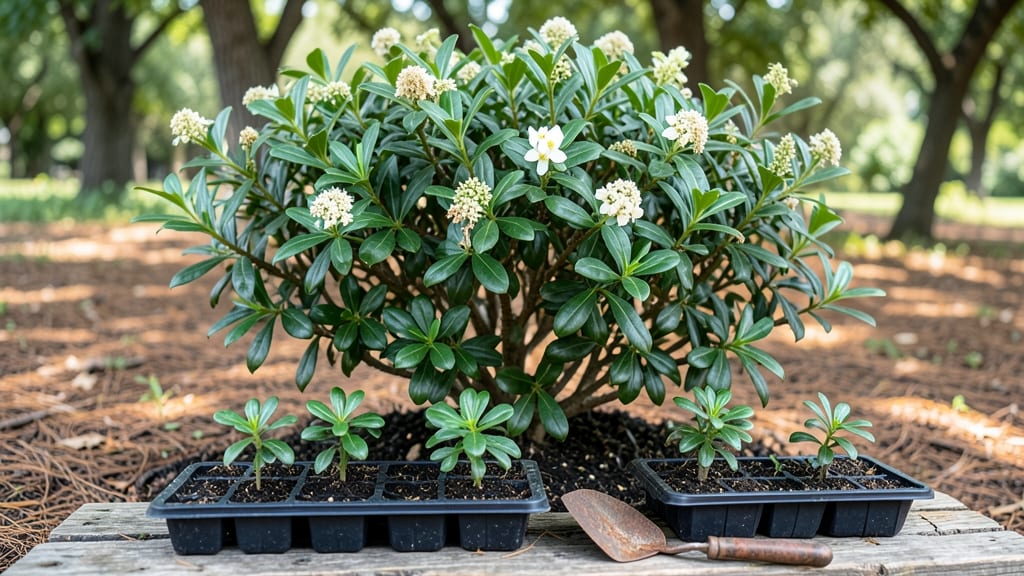
Growing Chinese privet from seeds means you’ll have hardy plants that thrive even when winter bites. 🌱 The key is cold stratification—mimicking nature’s way of breaking seed dormancy so you get strong, resilient starts.
I’ve tried this method three times, and the results are always shockingly reliable for a plant that’s usually propagated from cuttings.
You’ll need fresh seeds (or at least from the current year), a plastic bag, some damp peat moss, and patience—germination can take 4-8 weeks. The process is simple but requires consistency: store your seeds in the fridge for 60-90 days before planting, and keep them moist but not soggy.
Most gardeners skip this step and end up with weak seedlings that struggle in colder months.
Once sprouted, your seedlings will grow into tough, glossy-leaved shrubs that handle heat, humidity, and even light frost. By next spring, you’ll have plants ready to transplant that outperform nursery-bought privets—because they’re cold-hardened from day one.
The best part? These plants grow 3-5 feet per year, so you’ll have privacy screens or hedges in no time.
This method works best for gardeners in zones 6-9 who want to skip the higher cost of cuttings. If you’re in colder zones, start seeds indoors 8-10 weeks before your last frost date for the best results.
The payoff is worth the wait—you’ll end up with a hedge that lasts decades with minimal care.
📚 In This Guide
- What you need
- Instructions
- Tips and common mistakes
- Wrapping up and next steps
What you need
- ● Chinese privet seeds: 10–20 fresh, viable seeds (ensure they’re sourced from a reputable supplier or wild-harvested in compliance with local regulations).
- ● Seed-starting mix: 2–3 cups of sterile, well-draining potting soil (look for a blend labeled for seedlings or seed-starting).
- ● Small seed trays or pots: 4–6 biodegradable or plastic cell trays (2–3 inches deep) or small pots (3–4 inches in diameter).
- ● Spray bottle: 8–16 oz with a fine mist nozzle (for gentle watering).
- ● Plastic wrap or humidity dome: To retain moisture during germination.
- ● Gloves: A pair of gardening gloves (to protect your hands from soil and potential irritants).
- ● Small hand trowel: For gently pressing seeds into the soil.
- ● Labels & marker: To track seed varieties and planting dates.
- ○ Grow lights or sunny windowsill: A 12–16 hour daily light source (optional but highly recommended for consistent growth).
- ○ Heating mat (optional): A seedling heat mat (70–75°F range) to speed up germination.
- ● Temperature control: Ideal germination range: 65–75°F (18–24°C). Use a thermometer to monitor soil warmth.
- ● Humidity: Maintain 70–80% humidity during germination (use plastic wrap or a humidity dome).
- ● Light exposure: Bright, indirect light post-germination (avoid direct sunlight until seedlings are established).
- ● Patience! Chinese privet seeds can take 3–6 weeks (or longer) to sprout—consistency is key! 💡
Step-by-step guide to germinating Chinese privet seeds
Here's how I cold-harden Chinese privet seeds for resilient, hardy plants that thrive year-round.
🌱 Step 1: Stratify Seeds for Cold Hardening
Chinese privet seeds need 60-90 days of cold stratification to break dormancy. Place them in a paper towel moistened with room-temperature water (not soaking wet—just damp enough to hold together). Fold the towel to contain the seeds, then seal in a ziplock bag with a tiny air pocket to prevent mold.
Store the bag in your refrigerator's crisper drawer (not freezer) where temperatures stay 34-40°F. Check weekly—if the towel dries out, mist lightly with water. You'll see the seeds plump slightly after 2-3 weeks, signaling they're ready for germination. This cold treatment mimics winter conditions and ensures strong, cold-resistant seedlings.
💧 Step 2: Sow Stratified Seeds in Moisture-Controlled Medium
Fill 4-inch pots with sterile seed-starting mix (never garden soil—it's too dense). Moisten the mix until it feels like a wrung-out sponge—damp but not dripping. Press it down gently to remove air pockets, then create ¼-inch-deep furrows using a pencil or small stick. Space furrows 2 inches apart to accommodate 4 seedlings.
Drop 2-3 seeds per furrow (they germinate slowly), then cover lightly with fine vermiculite (not soil—it stays too wet). Mist the surface with lukewarm water until the mix looks uniformly damp. Place pots in a clear plastic dome or sealed container to trap humidity. Keep them in 65-70°F conditions—warmer than room temperature speeds germination.
☀️ Step 3: Provide Indirect Light and Monitor Moisture
Position the pots under bright, indirect light (east or west window) or under grow lights set to 12-14 hours daily. Avoid direct sun—it overheats the mix and dries seeds out. You'll see tiny green sprouts in 3-6 weeks, but don't rush germination by overwatering. Check soil moisture by pressing your finger ½ inch deep—water only when it feels dry.
Remove the humidity dome immediately after germination to prevent fungal issues. Thin seedlings to one per pot once they reach 1 inch tall, using scissors to snip at soil level. The remaining seedling will have stronger roots and better survival rates—worth the patience. At this stage, they're vulnerable to damping-off, so avoid overhead watering.
⏰ Step 4: Harden Off and Transplant for Outdoor Resilience
When seedlings develop 3-4 true leaves (about 8-10 weeks after sowing), start hardening off by moving them to a shaded outdoor spot for 1 hour daily. Gradually increase exposure over 2 weeks, ending with full sun by day 14. This toughens stems and leaves for winter conditions. Transplant after the last frost, spacing plants 6-8 feet apart in well-draining soil with full sun to partial shade. Mulch heavily with 3 inches of wood chips to protect roots.
Here's the thing—Chinese privet thrives on neglect once established, but early care makes all the difference. Water deeply once weekly after transplanting (unless rain occurs), then taper to monthly once roots spread. The cold-hardened starts you've nurtured will reward you with lush, pest-resistant foliage that survives harsh winters—no fuss, just resilience.
Tips & tricks for perfect Chinese privet seed germination
Cold-hardening Chinese privet seeds takes patience, but these pro tips will help you avoid common pitfalls and maximize success.
Stratification Timing: The 60-90 day cold stratification period is non-negotiable for breaking dormancy, but here's the secret: place a small piece of damp paper towel in the bag with your seeds as a moisture indicator. If it dries out before the 60 days are up, your seeds won't germinate properly. I like to use a clear ziplock bag so I can check moisture levels without opening it—just give it a gentle squeeze to test.
Temperature Consistency: While 34-40°F is ideal for stratification, most home refrigerators actually run around 38°F in the crisper drawer. If your fridge is significantly colder (below 34°F), move the bag to a slightly warmer spot like the main fridge compartment. Too cold can actually inhibit germination, while too warm (above 40°F) won't provide the necessary dormancy break.
Lighting Strategy: For the 12-14 hours of daily light during germination, I recommend using a simple LED grow light on a timer rather than relying solely on windows. Position it 6-12 inches above the seedlings—close enough for good light but not so close it overheats the mix. The key is maintaining consistent light without creating hot spots that can scorch tender sprouts.
Transplanting Timing: When hardening off seedlings with 3-4 true leaves, I find it helpful to create a simple schedule: Week 1 (1 hour/day), Week 2 (2 hours/day), Week 3 (full sun). This gradual approach prevents shock while building resilience. After transplanting, I always water deeply the first time to help settle the soil around roots—this prevents air pockets that can cause transplant shock.
Pro Tips for Chinese Privet Seeds
- Cold-hardening Chinese privet seeds takes patience, but these pro tips will help you avoid common pitfalls and maximize success.
- Stratification Timing: The 60-90 day cold stratification period is non-negotiable for breaking dormancy, but here's the secret: place a small piece of damp paper towel in the bag with your seeds as a moisture indicator.
- Temperature Consistency: While 34-40°F is ideal for stratification, most home refrigerators actually run around 38°F in the crisper drawer.
Frequently asked questions
Got questions about growing Chinese privet from seeds? You’re not alone!
Here are some of the most common concerns—and answers—to help you get started confidently. Whether you're troubleshooting germination or wondering about alternatives, we’ve got you covered.
How long does it take for Chinese privet seeds to germinate?
Patience is key! Chinese privet seeds typically take 4 to 8 weeks to germinate, depending on temperature and moisture. Cold stratification (chilling seeds for 4-6 weeks) can speed this up. Keep the soil consistently moist but not soggy, and maintain warmth (around 70°F) for best results.
Do I need to cold-stratify Chinese privet seeds?
Yes! Cold stratification breaks seed dormancy and mimics winter conditions, which Chinese privet seeds thrive in. Place seeds in a plastic bag with damp peat moss or sand, then refrigerate for 4-6 weeks before sowing. This step dramatically improves germination rates—don’t skip it!
What’s the best soil mix for germinating these seeds?
Use a light, well-draining mix like a 50/50 blend of peat moss and perlite or coarse sand. Avoid heavy garden soil, as it can compact and suffocate delicate seedlings. A pH of 5.5–6.5 is ideal. Sterilize the mix by baking it at 200°F for 30 minutes to prevent mold.
Can I grow Chinese privet from cuttings instead of seeds?
Cuttings are often faster and easier than seeds. Take 4–6 inch semi-hardwood cuttings in late spring or early summer, dip them in rooting hormone, and plant in perlite or sand. Keep them humid and warm (around 70°F) until roots form in 4–8 weeks. This method preserves the parent plant’s traits!
Why aren’t my Chinese privet seeds sprouting?
Several factors could be at play: lack of stratification, poor soil drainage, or temperature fluctuations. Double-check your setup—seeds need consistent moisture and warmth. If mold appears, reduce watering and improve airflow. For stubborn seeds, try scarification (lightly sanding the seed coat) to encourage germination.
Is Chinese privet invasive? Should I avoid growing it?
Chinese privet (Ligustrum sinense) is highly invasive in many regions, especially the southeastern U.S. It outcompetes native plants and spreads aggressively. If you’re concerned about invasiveness, consider non-invasive alternatives like Forsythia or Viburnum. Always check local regulations before planting!
Wrapping up and next steps
Growing Chinese privet seeds is a rewarding way to cultivate a resilient, drought-tolerant plant that thrives in diverse climates. With the right techniques—like cold-hardening and proper soil prep—you’ll unlock year-round survival potential for your garden.
Whether you’re a seasoned gardener or just starting, these seeds offer a fantastic opportunity to expand your green space with minimal fuss.
Ready to take the next step? Start small—germinate a few seeds indoors this fall and watch your garden flourish! 🌱 For even more tips, check out our guide on long-term propagation strategies.