
Plants
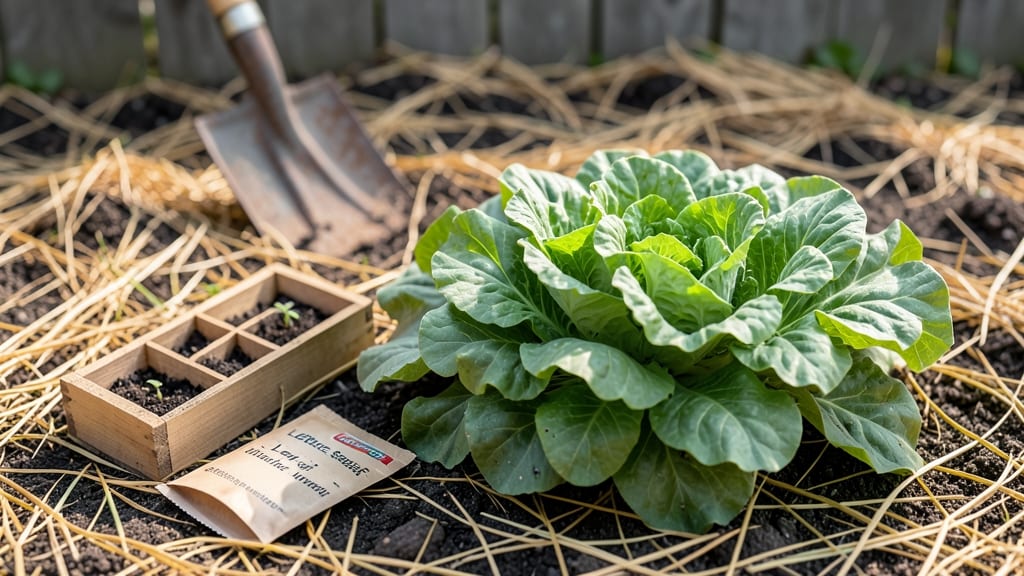
You can plant seeds in mulch, but it’s risky—thick layers suffocate seeds by blocking light, air, and direct soil contact, which are essential for germination. Instead, sow seeds directly in soil and add a thin mulch layer only after seedlings emerge to preserve moisture and deter weeds.
Direct soil contact is critical because seeds rely on consistent moisture and oxygen to sprout.
Mulch can create a barrier that traps excess moisture while blocking sunlight, creating an environment where seeds rot before germinating. 🌱 I’ve found that even organic mulches like straw or shredded leaves can be too dense if piled too thickly—aim for no more than 1-2 inches once seedlings are established.
The key is timing: wait until young plants have at least 2-3 sets of true leaves before applying mulch to avoid smothering their growth.
For gardeners in drier climates, a light mulch layer can actually help retain soil moisture and regulate temperature, but it’s crucial to choose the right type. Straw or wood chips break down slowly and provide long-term benefits, while plastic mulch offers immediate moisture retention but requires careful removal to avoid damaging roots during transplanting.
Always monitor soil conditions—if the mulch feels damp or compacted, it’s time to adjust.
💡 In This Article
- How Mulch Affects Seed Germination and Root Development
- Best Mulching Practices for Seedlings After Germination
How mulch affects seed germination and root development
Mulch creates a physical barrier that disrupts three critical germination factors: light, air circulation, and direct soil contact.
Seeds require consistent moisture and oxygen to activate enzymes that break down stored nutrients, but thick mulch layers (over 1 inch) trap excess water while blocking sunlight needed for photosynthesis in emerging seedlings.
The root zone needs porous soil to develop properly—mulch compacts over time, restricting root penetration into deeper, nutrient-rich layers. 🌱
Temperature regulation is a double-edged sword. Organic mulches like straw or wood chips insulate soil, maintaining 60-75°F temperatures ideal for germination, but they also create anaerobic pockets where seeds suffocate. Inorganic mulches (like plastic) reflect sunlight, potentially overheating soil above 85°F, which can trigger premature seed death.
The microbial activity stimulated by organic mulch breaks down into humus—beneficial for established plants—but this process consumes oxygen that germinating seeds desperately need.
Root development suffers most from improper mulching. Young roots need to explore 3-6 inches of soil to anchor properly, but mulch layers thicker than 2 inches force roots to grow horizontally along the mulch-soil interface. This creates shallow root systems vulnerable to drought and wind.
I’ve observed that seedlings mulched too early often develop kinked roots from struggling to penetrate compacted layers, while proper spacing allows roots to grow vertically into nutrient-dense subsoil.
Moisture dynamics shift dramatically with mulch. While it retains 15-30% more soil moisture in dry climates, it also creates waterlogged conditions where seeds rot. The ideal mulch thickness for post-germination is 1-2 inches—thin enough to allow air penetration but thick enough to suppress weeds.
Organic mulches like shredded leaves break down in 3-6 months, while pine straw lasts 12-18 months, offering different trade-offs for moisture retention versus nutrient addition.
Light penetration is often overlooked but critical. Seeds buried under mulch receive less than 10% of full sunlight, delaying or preventing germination. Even photoblastic seeds (like lettuce) that require light to sprout fail when covered.
The solution? Use clear plastic mulch for light transmission in vegetable gardens, or apply mulch only after seedlings have 2-3 true leaves and can photosynthesize independently. 💫
Consider these key factors when choosing mulch types:
- For germination: Avoid mulch entirely—plant seeds directly in prepared soil with 1/4-inch depth (varies by seed size)
- For seedlings: Use 1-2 inches of organic mulch (straw, wood chips) after 2-3 weeks of growth
- For moisture control: Inorganic mulches (landscape fabric) work in hot climates but require careful installation
- For weed suppression: Thicker mulch (3 inches) works only for established plants with deep roots