
Vegetables
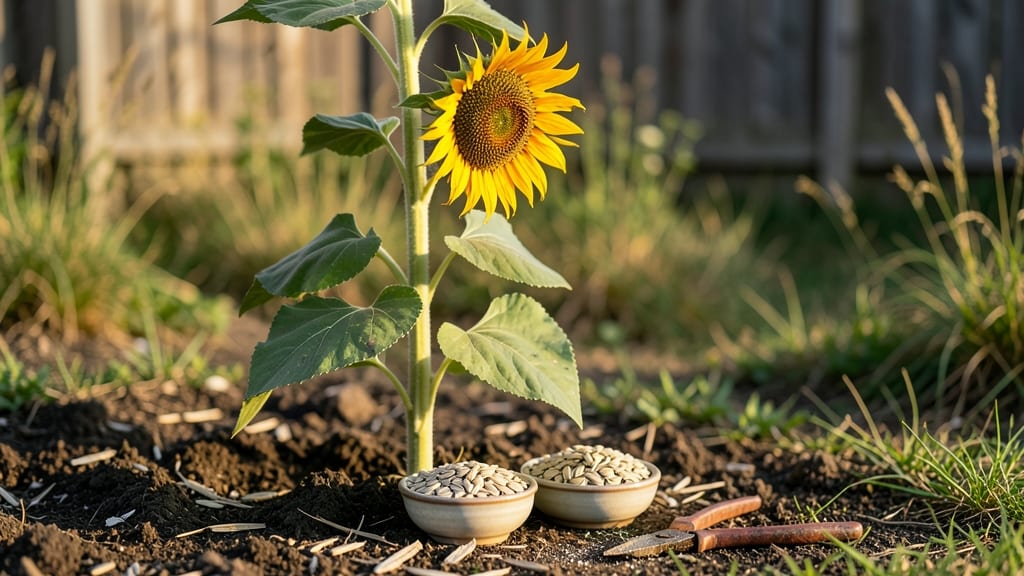
Yes, sunflower seeds can be eaten raw and offer excellent nutrition, including healthy fats, plant-based protein, and vitamins E and B-6. Their tough outer shells make them harder to chew whole, so cracking or removing the hulls improves digestibility. Proper storage is key to maintaining their freshness and nutrient potency.
Raw sunflower seeds are a nutritional powerhouse when consumed properly, delivering 37% of your daily vitamin E needs per ounce—an antioxidant vital for skin health and immune function. 🌟 The natural oils in raw seeds also support heart health, but their delicate nature means exposure to light and air can degrade these benefits over time.
I always recommend storing them in an airtight container in the refrigerator for up to 3 months to preserve their potency, or freezing them for even longer shelf life.
The hard outer shells aren't just a challenge—they're nature's packaging designed to protect the nutrient-rich kernel inside. While you can eat them whole (especially if you enjoy a textural challenge), most people prefer to crack or hull them first.
This not only makes them easier to digest but also allows you to enjoy the full flavor profile without the tough exterior. For best results, look for seeds that are dry and free from moisture—any signs of dampness or musty smells indicate spoilage and should be avoided.
💡 In This Article
- Nutritional Benefits of Raw Sunflower Seeds vs Roasted
- Harvesting and Storing Raw Sunflower Seeds for Optimal Freshness
Nutritional benefits of raw sunflower seeds vs roasted
The most striking difference between raw and roasted sunflower seeds lies in their vitamin E content. Raw seeds contain 37% of your daily vitamin E needs per ounce, a fat-soluble antioxidant that protects cell membranes and supports skin elasticity.
Roasting reduces this by 20-30% due to oxidation of the natural oils when exposed to 300-350°F heat for 10-15 minutes. The same process also diminishes magnesium levels by about 15%, a mineral crucial for muscle function and nerve signaling.
Raw seeds preserve their delicate polyunsaturated fats (like linoleic acid) that support brain function, while roasting converts some of these into more stable but less bioactive forms.
The natural oils in raw seeds also aid digestion by lubricating the digestive tract, though their high fat content (about 50% of calories) means they should be consumed in moderation—1-2 ounces daily is ideal for most adults.
The crunchy texture of raw seeds provides additional digestive benefits by stimulating saliva production.
Roasting does offer one advantage: enhanced flavor and digestibility due to the breakdown of complex carbohydrates in the hull. This makes roasted seeds easier to chew and more palatable for those who dislike the earthy taste of raw seeds.
However, the process destroys up to 50% of the vitamin B-6, which is essential for energy metabolism and neurotransmitter production. For maximum nutritional benefit, I recommend consuming raw seeds within 2-3 months of purchase or harvest.
Consider these key nutritional trade-offs when choosing between raw and roasted:
- Vitamin E: 37% DV (raw) vs 25% DV (roasted)
- Magnesium: 15% DV (raw) vs 12% DV (roasted)
- Selenium: 10% DV (both) (stable through roasting)
- Protein: 6g per ounce (both) (heat doesn't significantly alter protein quality)
The natural oils in raw seeds also contain phytosterols that help lower LDL cholesterol, but these compounds become less effective after roasting. For heart health, raw seeds have a clear advantage.
The high fat content means they should be stored carefully—exposure to oxygen causes these beneficial oils to go rancid within 3-6 months at room temperature.