
Light Requirements
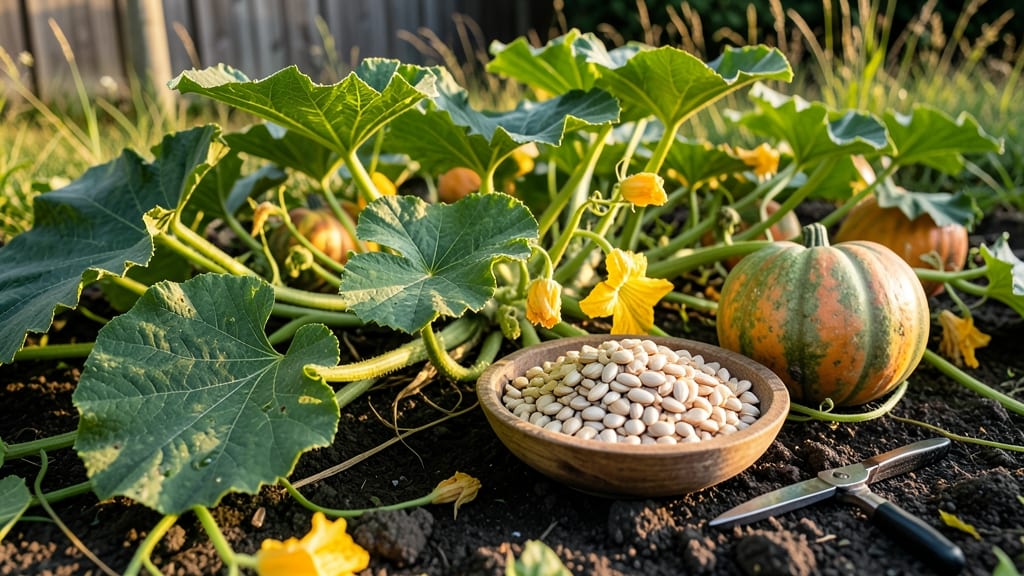
You can eat pumpkin seeds while pregnant in moderation, as they provide essential nutrients like magnesium and zinc that support fetal development, but proper preparation is key to avoid excessive salt or additives. Always check with your healthcare provider first, especially if you have food allergies.
Pumpkin seeds are a nutrient powerhouse during pregnancy, packed with magnesium to help prevent leg cramps and zinc to boost your immune system. 💫 They also contain healthy fats that support brain development in your baby.
However, the key is moderation—aim for about ¼ to ½ cup per day and avoid raw seeds unless properly sterilized. Roasting them lightly at home lets you control the salt and seasoning, making them a safer prenatal snack than store-bought versions that may contain additives.
What's particularly helpful is how these seeds can help with common pregnancy challenges. The iron content helps combat fatigue, while the antioxidants may reduce inflammation. I always recommend soaking seeds overnight before roasting to improve digestibility and nutrient absorption.
Just remember, while pumpkin seeds offer many benefits, they shouldn't replace a balanced prenatal diet.
💡 In This Article
- Pumpkin Seed Nutrition During Pregnancy: Key Benefits and Risks
- Safe Ways to Prepare and Consume Pumpkin Seeds Pregnancy-Friendly
Pumpkin seed nutrition during pregnancy: key benefits and risks
Pumpkin seeds are nature's prenatal multivitamin, packed with nutrients critical during pregnancy. The magnesium content (about 150mg per ¼ cup) helps regulate muscle and nerve function, which can reduce those pesky leg cramps that plague many expectant mothers.
This mineral also plays a role in maintaining healthy blood pressure—a crucial factor during pregnancy when cardiovascular demands increase by up to 50%.
The seeds also contain zinc (about 2.2mg per ¼ cup), essential for cell growth and immune function, which becomes especially important as your body's immune system undergoes significant changes to accommodate the developing fetus.
The healthy fats in pumpkin seeds (around 5g per ¼ cup, primarily omega-3 and omega-6 fatty acids) are vital for your baby's brain development. These fats help form the neural pathways that will shape your child's cognitive abilities.
What's fascinating is how these fats work synergistically with the antioxidants like vitamin E and carotenoids found in the seeds. These antioxidants help protect both you and your baby from oxidative stress, which can be elevated during pregnancy due to increased metabolic demands.
The seeds also provide iron (about 1.3mg per ¼ cup), helping to prevent anemia—a common concern when blood volume increases by up to 50% during pregnancy.
However, there are important considerations to keep in mind. Pumpkin seeds contain phytic acid, which can interfere with mineral absorption if consumed in excess. Soaking seeds overnight before eating can reduce phytic acid levels by up to 70%, making the nutrients more bioavailable.
Another concern is the phosphorus content (about 126mg per ¼ cup), which while beneficial in moderation, could become problematic if consumed in very large quantities alongside other high-phosphorus foods, potentially affecting calcium absorption.
The biggest risk comes from raw seeds, which may carry Salmonella bacteria—always roast or properly sterilize them before consumption.
Allergies are another critical factor to consider. While pumpkin seed allergies are rare, they can cause severe reactions including hives, swelling, or even anaphylaxis. If you've never consumed them before, start with a small amount (about 10 seeds) and monitor for any adverse reactions.
The protein profile of pumpkin seeds includes compounds that some sensitive individuals may react to, particularly those with existing seed allergies. It's always wise to discuss any new food introduction with your healthcare provider, especially during pregnancy when your immune system is already navigating complex changes.
What makes pumpkin seeds particularly valuable is their versatility in addressing common pregnancy symptoms. The tryptophan content (about 120mg per ¼ cup) can help with mood regulation by supporting serotonin production, which may combat pregnancy-related mood swings.
The seeds also contain calcium (about 30mg per ¼ cup), supporting bone health during a time when your body is drawing on calcium reserves for fetal skeletal development.
When prepared properly, pumpkin seeds can be an excellent addition to a prenatal diet, offering a convenient way to boost nutrient intake without relying on supplements alone.