
Pests and Diseases
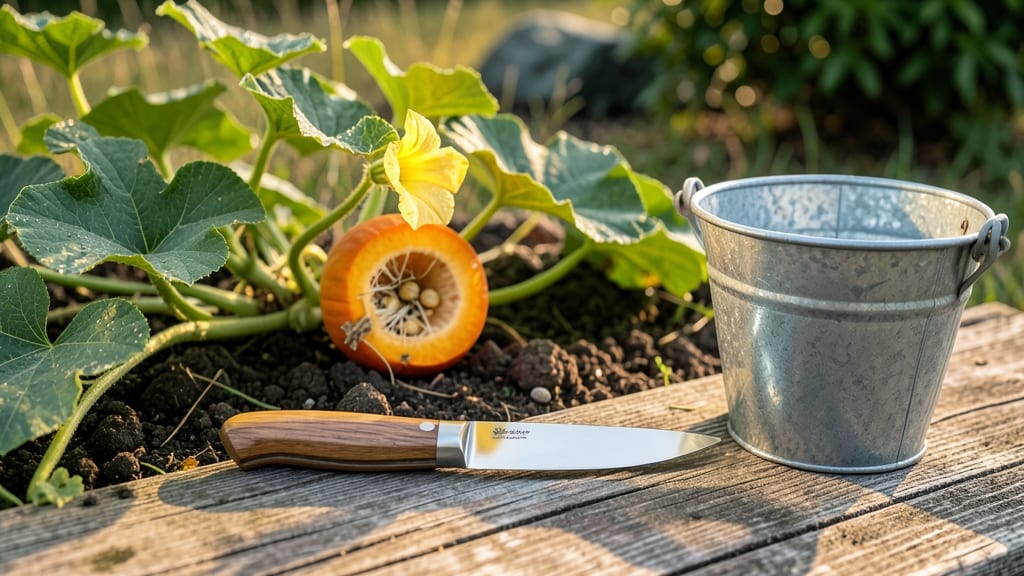
Yes, chickens can eat pumpkin guts and seeds in moderation, as they offer valuable fiber and nutrients, but always avoid moldy or rotting pieces. Chop seeds finely to prevent choking and discard any slimy or fibrous sections. Stick to fresh, clean pumpkin for your flock's safety.
Pumpkin isn't just safe—it's a powerhouse for your flock when prepared correctly. 🌟 The fibrous flesh supports digestion, while seeds provide healthy fats and minerals like magnesium. I've seen chickens go wild for cooked pumpkin puree, but always introduce new foods gradually to avoid digestive upset.
Remember, moderation is key: too much can lead to loose droppings, so treat it as an occasional snack rather than a staple.
For best results, remove all seeds from the pumpkin first, then chop the remaining flesh into bite-sized pieces. If you're feeding seeds, crush them slightly to make them easier to digest. Always wash pumpkins thoroughly before serving to remove any pesticide residue or dirt that could harm your chickens.
💡 In This Article
- Nutritional Value of Pumpkin Guts and Seeds for Chickens
- Safe Pumpkin Feeding Tips for Backyard Flocks
Nutritional value of pumpkin guts and seeds for chickens
Pumpkin guts—the fibrous, stringy interior—pack a nutritional punch for chickens with vitamin A (about 4,000 IU per cup of cooked flesh) and vitamin C, both critical for immune function and feather health.
The seeds add magnesium (82mg per ounce) and potassium (290mg per ounce), supporting muscle function and nerve signaling. For comparison, commercial layer feed typically contains only 500-1,000 IU of vitamin A per pound, making pumpkin a natural supplement rather than a replacement.
The fiber content in pumpkin guts (about 3-4 grams per cup) acts like a broom for your chickens' digestive tract, preventing blockages and promoting regular droppings. Seeds contribute healthy fats (roughly 15% fat content), which support egg production and energy levels.
However, these fats are concentrated—too many seeds can lead to weight gain in your flock. 🌟 The protein content is modest (around 5-7% dry weight), so while pumpkin won't replace protein-rich feeds like mealworms, it complements their diet effectively.
What makes pumpkin unique is its low phosphorus-to-calcium ratio (about 1:2), which helps maintain proper bone density in chickens. Many commercial feeds have higher phosphorus, leading to potential imbalances. The natural sugars in pumpkin (around 6-8 grams per cup) provide quick energy, but overfeeding can spike blood sugar levels.
This is why moderation is key—think of pumpkin as a 10-15% addition to their regular diet, not a staple.
For maximum benefits, serve pumpkin cooked rather than raw. Cooking breaks down tough fibers and makes nutrients more bioavailable. I've noticed my flock devours steamed pumpkin puree within minutes, while raw chunks often go uneaten.
The seeds, when crushed, become a crunchy treat that chickens peck at eagerly. 💫 Avoid the stringy membrane (the "guts" part) if it's overly fibrous—it can cause digestive upset or even intestinal blockages in young chicks.
One often-overlooked benefit is pumpkin's natural antioxidant properties, thanks to compounds like beta-carotene. These help neutralize free radicals in your chickens' systems, potentially reducing stress-related illnesses. The seeds also contain tryptophan, an amino acid that supports serotonin production—meaning happier, calmer birds.
However, the tryptophan content is minimal compared to protein sources like black soldier fly larvae, so don't expect dramatic behavioral changes.