
Lawn
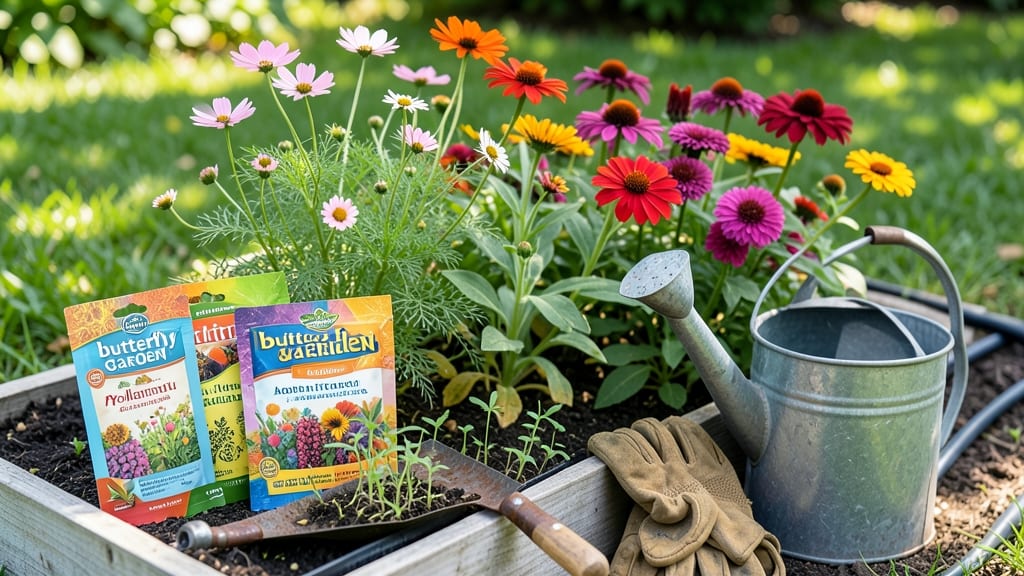
One easy packet could transform your yard into a butterfly haven by next summer. ✨ I’ve planted butterfly seed mixes for years, and the difference between a quiet corner and a fluttering paradise comes down to a few simple steps—starting with the right soil and sunlight.
The secret isn’t complicated: these seeds thrive in well-draining soil with 6+ hours of sun daily, and they’ll bloom faster if you scratch them just ¼-inch deep into loose earth.
Native mixes (like those with milkweed or coneflowers) attract the most pollinators, but even wildflower blends work if you’re patient—some take 2-3 years to reach full butterfly magnet status. By mid-summer, you’ll see wings darting between blooms, and the garden will hum with life.
The key is keeping soil moist (not soggy) for the first 4-6 weeks, then letting nature take over. Less watering means fewer weeds, and more butterflies. Works in borders, containers, or even cracked pavement—just give them space to spread. Here’s how to make it happen without the guesswork.
📚 In This Guide
- What you need
- Instructions
- Tips and common mistakes
- Wrapping up and next steps
What you need
- ● Butterfly-friendly wildflower seeds (1–2 lbs total): Milkweed (for monarchs) – 20–30% of mix
- ● Coneflower (Echinacea) – 15–20%
- ● Black-eyed Susan – 15–20%
- ● Butterfly weed (Asclepias tuberosa) – 10–15%
- ● Goldenrod – 10%
- ● Other native wildflowers (e.g., bee balm, asters) – 10%
- ● Organic potting soil (1–2 cubic feet, well-draining)
- ○ Gardening gloves (optional but recommended for comfort)
- ● Watering can or hose with a gentle spray nozzle
- ● Garden trowel or small shovel (for planting)
- ● Sunny planting area (6+ hours of sunlight daily)
- ● Seed starter trays (for indoor germination)
- ● Compost or fertilizer (for nutrient boost)
- ● Mulch (to retain moisture)
- ● Bird netting (to protect young sprouts from pests)
- ● Label markers (to track seed varieties)
Step-by-Step instructions for planting a butterfly seed mix
Here's how to transform a simple packet into a vibrant pollinator haven—no green thumb required.
🌱 Step 1: Choose and Prepare Your Planting Site
Select a sunny spot that receives at least 6 hours of direct sunlight daily. Butterflies need warmth to thrive, and their favorite nectar plants bloom best under full sun. Clear the area of weeds and debris, then loosen the soil to a depth of 4-6 inches with a garden fork or tiller. This ensures roots can spread easily without competing with compacted earth.
For containers, use pots at least 6 inches deep with drainage holes—many butterfly-friendly flowers like milkweed and coneflowers need room to establish strong root systems. I like to add a handful of compost to the bottom of each pot before planting; this gives seedlings a nutrient boost right from the start.
🌿 Step 2: Plant the Seeds at the Right Depth
Scatter the seeds evenly across the prepared area, spacing them 12-18 inches apart for larger flowers like bee balm or 6-12 inches apart for smaller varieties like butterfly weed. Press them lightly into the soil—just enough so they make contact with the earth, but don’t bury them more than ¼ inch deep. Most butterfly seed mixes contain tiny seeds, so I use a sprinkle can or gently tap the packet to release them evenly.
Cover the seeds with a thin layer of soil or compost, then water gently until the surface is moist but not soggy. Overwatering at this stage can wash seeds away or cause them to rot before germination. Watch for the first signs of sprouts—usually within 7-21 days, depending on your climate and the specific seed mix.
☀️ Step 3: Maintain Consistent Moisture and Light
Keep the soil consistently moist during the first 4-6 weeks after planting, which is when seedlings establish their root systems. Water deeply 2-3 times per week, allowing the top 1-2 inches of soil to dry slightly between waterings. This prevents fungal diseases while encouraging deep root growth. Once seedlings reach 2-3 inches tall, reduce watering to once a week unless your area experiences extreme heat.
Butterfly seed mixes often include a mix of annuals and perennials, so some varieties may bloom within 8-10 weeks, while others take longer. Deadhead spent blooms regularly to encourage continuous flowering—this simple task keeps your garden looking lively and attracts more pollinators throughout the season.
✂️ Step 4: Encourage Pollinator Visits
Once flowers begin to open, create a welcoming environment for butterflies by adding a shallow water source nearby. A simple dish filled with pebbles and water provides a safe place for them to drink. Place it in partial shade to prevent evaporation and add a few sticks or rocks for landing spots. Butterflies are drawn to flat surfaces where they can perch while feeding.
To maximize pollinator activity, plant your butterfly seed mix in clusters rather than single rows. This creates a dense "nectar corridor" that butterflies can easily navigate. Avoid using pesticides—even natural ones—since they can harm the very creatures you’re trying to attract. Instead, rely on companion planting, like marigolds, to deter pests naturally.
Tips & tricks for perfect butterfly seed mix planting
Here's what nobody tells you about transforming a simple seed packet into a thriving butterfly garden—without the guesswork.
Sunlight is Non-Negotiable: That 6 hours of direct sunlight requirement in Step 1 isn't just ideal—it's essential. Butterflies are cold-blooded and need warmth to fly and feed. If your space only gets partial sun, consider placing your container garden on a patio or deck where it can follow the sun's path. Morning sun with afternoon shade works better than deep shade all day. I've seen milkweed plants struggle in less than 4 hours of sun, so don't skimp on this critical factor.
Soil Prep Makes All the Difference: When loosening soil to 4-6 inches deep in Step 1, think of it like fluffing a pillow for your seeds. Compacted soil restricts root growth, while loose soil lets roots explore for water and nutrients. For containers, that 6-inch depth is minimum—deeper pots mean deeper roots and more stable plants. Pro tip: Mix in a handful of compost when planting; it's like giving your seeds a vitamin boost from day one. The difference between thriving and struggling plants often comes down to this single preparation step.
Germination Timing Varies Dramatically: Those 7-21 days for sprouts in Step 2 can feel like forever, but temperature plays a huge role. In cooler climates, you might not see sprouts until the upper end of that range, while warm springs can bring them in just a week. Keep the soil consistently moist during this window—use your finger to check the top inch of soil. If it's dry, water gently. The key is patience; don't be tempted to overwater or you'll risk washing seeds away or causing rot before they even sprout.
Watering Wisdom for Long-Term Success: During that critical 4-6 week establishment period in Step 3, think quality over quantity. Deep watering 2-3 times per week encourages roots to grow downward where they'll find moisture naturally. Once your seedlings hit 2-3 inches tall, you can ease up to weekly watering—this helps toughen them up for when you're not constantly monitoring them. And remember, butterflies need water too! That shallow dish with pebbles isn't just decorative—it's a lifeline for thirsty pollinators visiting your garden.
Pro Tips for Butterfly Seed Mix
- Here's what nobody tells you about transforming a simple seed packet into a thriving butterfly garden—without the guesswork.
- Sunlight is Non-Negotiable: That 6 hours of direct sunlight requirement in Step 1 isn't just ideal—it's essential.
- Soil Prep Makes All the Difference: When loosening soil to 4-6 inches deep in Step 1, think of it like fluffing a pillow for your seeds.
Frequently asked questions
How long does it take for butterfly seeds to sprout and bloom?
Most butterfly seed mixes sprout in 7–14 days after planting, depending on warmth and moisture. Blooms typically appear in 6–12 weeks, though some varieties may take longer. Patience pays off—once established, these seeds can self-seed for years!
Do I need to water butterfly seeds daily?
Nope! Keep soil consistently moist (not soggy) for the first 2 weeks, then taper to 2–3 times per week once sprouts emerge. Drip irrigation or a gentle misting works best. Overwatering can drown seeds, so let the top inch dry between waterings.
Can I plant butterfly seeds in containers or just the ground?
Butterfly seeds thrive in containers, window boxes, or directly in the ground. Use well-draining soil and ensure pots have drainage holes. For containers, choose 5+ gallon sizes to give roots room. Hang baskets or place near sunny windowsills to attract butterflies.
Will butterfly seeds survive winter?
Many butterfly seeds are annuals and won’t survive frost, but some varieties (like milkweed) are perennials and may return if planted in zones 3–10. In colder climates, plant in spring after the last frost or use a cold frame. Mulch lightly in fall to protect emerging sprouts.
Why aren’t butterflies visiting my newly planted seeds?
Butterflies need time, food, and safety. Wait until flowers bloom (usually 6–12 weeks), then ensure you have host plants (like milkweed for monarchs) and nectar sources (e.g., coneflowers, zinnias). Avoid pesticides, and plant near shelter (fences, shrubs) to give them a break from predators. Patience + strategy = pollinator party!
Can I mix butterfly seeds with wildflower seeds?
Yes! Combining butterfly seeds with native wildflowers extends the blooming season and attracts a wider variety of pollinators. Just ensure all seeds have similar sunlight and soil needs. Pro tip: Add clover or alfalfa for early-season nectar. Diversity = more butterflies!
Wrapping up and next steps
Transforming your outdoor space into a vibrant haven for butterflies and bees has never been easier—or more rewarding! With a simple butterfly seed mix, you’re not just planting seeds; you’re nurturing a thriving ecosystem that brings color, life, and joy to your garden.
Whether you’re a seasoned gardener or just starting, this effortless solution delivers stunning blooms and supports pollinators in record time.
Ready to take the next step? Grab your packet, find a sunny spot, and let nature do the rest! 🌸🦋 Start small—even a single patch can make a big difference. Happy planting!