
Lawn
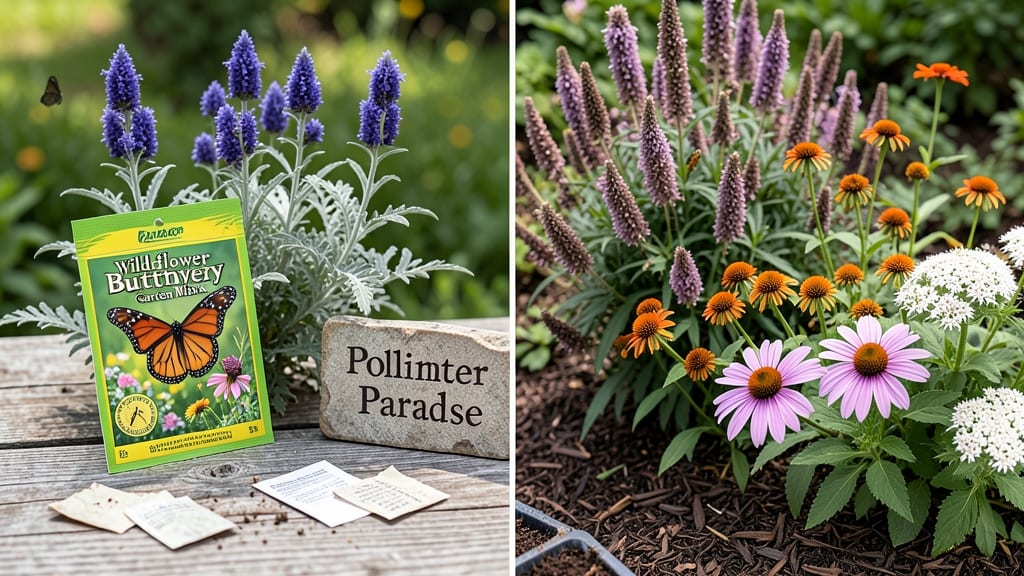
A butterfly garden seed mix transforms your yard into a fluttering paradise with just a few packets. 🌸 I planted mine last spring, and within weeks, monarchs, swallowtails, and fritillaries made it their home—something I’d only seen in nature documentaries before.
The key lies in choosing the right native flowers that bloom at different times, ensuring food for caterpillars and nectar for adults all season long.
Most mixes include milkweed for monarchs, coneflowers for pollinators, and black-eyed Susans for late-season butterflies. These aren’t just random seeds—they’re carefully selected to support local ecosystems while creating a vibrant, low-maintenance display. You’ll need full sun, well-draining soil, and a spot protected from strong winds to maximize their impact.
By summer, you’ll watch caterpillars munch on milkweed leaves while adult butterflies sip nectar from purple coneflowers. The garden stays lush and colorful, with blooms from early spring through frost. It’s not just about attracting butterflies—it’s about creating a thriving habitat that benefits bees, hummingbirds, and other wildlife too.
Whether you have a small balcony or a spacious yard, this approach scales effortlessly. Just add water, sunlight, and patience—nature does the rest. Ready to turn your space into a pollinator hotspot? Let’s get those seeds in the ground.
📚 In This Guide
- What you need
- Instructions
- Tips and common mistakes
- Wrapping up and next steps
What you need
- ● Butterfly Garden Seed Mix: 1–2 lbs (or 1–2 packets, depending on coverage area). Look for native wildflowers like milkweed, coneflower, or butterfly weed.
- ● Garden Soil: 2–3 cubic yards (or pre-mixed native soil blend for best results). Ensure it’s well-draining and nutrient-rich.
- ○ Compost or Organic Fertilizer: 1–2 bags (optional but recommended for nutrient boost). Aim for a balanced 10-10-10 or organic options like worm castings.
- ● Watering Can or Hose: With a gentle spray nozzle for even moisture distribution.
- ● Garden Gloves: A pair to protect your hands from thorns or rough soil.
- ● Sunlight Spot: A full-sun area (6+ hours of direct sunlight daily) for most butterfly-friendly plants.
- ● Hand Trowel or Rake: For breaking up soil and planting seeds.
- ● Mulch: 1–2 bags of straw or wood chips to retain moisture and suppress weeds.
- ○ Bird Feeder or Puddling Station: Optional but helpful—butterflies love shallow dishes with water and mud for minerals!
- ● Pest Control: Neem oil or insecticidal soap (if needed) to deter aphids or other pests.
- ● Markers or Stakes: To label your garden sections (e.g., "Milkweed for Monarchs").
Step-by-step instructions for planting a butterfly garden seed mix
Here’s how to transform a patch of earth into a fluttering haven for pollinators—no green thumb required.
🌱 Step 1: Choose the Perfect Location
Butterflies thrive in sun-drenched spots with 6+ hours of direct sunlight daily. Scan your yard for areas where sunlight lingers longest—south-facing slopes or open patio edges work best. Avoid low-lying spots where cold air pools, as butterflies won’t linger in chilly microclimates.
Test the soil by squeezing a handful—if it crumbles easily, it’s ready. If it sticks together like clay, amend with 2-3 inches of compost (mixed into the top 6 inches of soil) to improve drainage and fertility. Butterflies favor loose, well-draining soil where their host plants can establish strong roots.
💧 Step 2: Prepare the Soil and Plant Seeds
Rake the soil surface smooth to create a fine seedbed—think of it as a blank canvas for your pollinator paradise. Use a hand rake to break up clumps and remove debris, aiming for a texture that’s loose enough for seeds to make contact with the earth but firm enough to hold them in place.
Scatter the butterfly garden seed mix evenly across the prepared area, following the packet’s spacing guidelines (typically 1/4 inch deep for most wildflower blends). For a 4-foot-by-4-foot plot, you’ll need about 1/2 pound of seed—enough to create a dense, continuous carpet of blooms. Lightly press the seeds into the soil with your hand or a small board to ensure good seed-to-soil contact.
☀️ Step 3: Water Gently and Maintain Moisture
Water the newly planted seeds lightly but thoroughly using a fine-mist spray nozzle or a gentle stream from a watering can. The goal is to moisten the soil to a depth of 1 inch without disturbing the seeds. Overwatering can bury them too deep, while underwatering leaves them high and dry. Check the soil daily—it should feel damp to the touch but not soggy.
Once the seeds germinate (usually within 7-14 days, depending on your climate), switch to deep, infrequent watering. Aim to water 1-2 inches per week, delivering moisture at the base of plants rather than overhead. This encourages strong root growth and deters fungal diseases that thrive in damp foliage. Mulch with 1-2 inches of straw or wood chips after germination to retain moisture and suppress weeds.
✂️ Step 4: Encourage Blooms and Maintain the Habitat
As your butterfly garden matures, focus on deadheading spent blooms to prolong the flowering season. Snip off faded flowers with clean pruners, cutting just above the next set of leaves. This redirects the plant’s energy into producing more blooms instead of seeds, keeping your garden vibrant from early spring to late fall.
Leave some seed heads standing, though—many butterflies rely on them for overwintering or as a food source for caterpillars. Avoid using pesticides or herbicides, as these can harm both butterflies and their host plants. Instead, embrace a hands-off approach and let nature take its course. Within 8-12 weeks, your garden will buzz with activity as butterflies discover their new favorite spot.
🪴 Step 5: Expand and Enhance the Habitat
To create a year-round butterfly haven, plant in staggered waves—sow early bloomers like alyssum and sweet alyssum in early spring, mid-season favorites like black-eyed Susans and coneflowers in late spring, and late-season staples like goldenrod and asters in early summer. This ensures a continuous buffet of nectar and host plants for caterpillars.
Add puddling stations—shallow dishes filled with sand or damp earth—to attract male butterflies, which gather minerals from wet soil. Place a few flat rocks or a small water feature nearby to provide drinking spots. Over time, your garden will become a self-sustaining ecosystem, drawing not just butterflies but bees, hummingbirds, and other pollinators to your doorstep.
Tips & tricks for perfect butterfly garden seed mix planting
Real talk: Even the simplest pollinator gardens can become thriving havens—or fail completely—based on small details. Here’s how to set your butterfly garden up for success from the very first seed.
Location is Everything: That 6+ hours of sunlight isn’t just a suggestion—it’s non-negotiable for most butterfly species. I’ve seen gardens in partial shade struggle to attract more than a few stragglers, while sun-drenched spots become instant hotspots. Pro tip: If your yard has limited sun, consider container gardens on south-facing patios or decks. Butterflies will still visit, and you’ll avoid the disappointment of sparse blooms.
The Soil Secret: The instructions mention compost, but here’s what nobody tells you—your soil’s texture matters more than its nutrients at this stage. Aim for a crumbly consistency that holds moisture without turning to mud. If your soil feels like packing clay, mix in 1 part perlite or coarse sand to every 3 parts compost to improve drainage. This prevents seed rot while keeping roots happy.
Planting Precision: That ¼-inch depth guideline is your friend, but here’s how to execute it perfectly: Use the flat side of a butter knife or even a ruler to create shallow furrows. Press seeds gently into place with your fingers—just enough to make contact, not bury them. I’ve seen seeds planted too deep struggle to emerge, while those too close to the surface dry out before germination.
Watering Wisdom: The 1-inch moisture depth during germination sounds simple, but timing is everything. Water in the morning so excess moisture evaporates by evening, preventing fungal growth. Once established, that 1-2 inches per week guideline works beautifully—but check soil moisture with your finger before watering. Dry soil 1 inch down means it’s time to water; damp soil means wait another day.
Pro Tips for Butterfly Garden Seed Mix
- Real talk: Even the simplest pollinator gardens can become thriving havens—or fail completely—based on small details.
- Location is Everything: That 6+ hours of sunlight isn’t just a suggestion—it’s non-negotiable for most butterfly species.
- The Soil Secret: The instructions mention compost, but here’s what nobody tells you—your soil’s texture matters more than its nutrients at this stage.
Frequently asked questions
When is the best time to plant a butterfly garden seed mix?
For most regions, plant your seed mix in early spring (after the last frost) or late summer (6-8 weeks before the first frost). This gives flowers time to establish roots and bloom before winter. Check your seed packet for specific timing tips—some varieties, like milkweed, thrive when planted in spring, while others (like coneflowers) can handle fall sowing.
How long does it take for butterflies to visit after planting?
Butterflies may start visiting within 4-8 weeks once flowers bloom, but expect the most activity during peak flowering (usually mid-to-late summer). Plant a mix of fast- and slow-blooming seeds to ensure continuous nectar. Patience is key—some host plants (like parsley for swallowtails) may take a few weeks to mature enough to attract egg-laying butterflies.
Do I need to water my butterfly garden seed mix every day?
No! Water lightly but consistently (about 1 inch per week) until seeds germinate (usually 7-14 days). Once established, most pollinator plants are drought-tolerant. Water deeply in the morning to reduce evaporation and fungal risks. Pro tip: Mulch around plants to retain moisture and suppress weeds.
Can I use a butterfly garden seed mix in containers or small spaces?
Choose compact varieties like butterfly weed, lantana, or dwarf coneflowers for pots or window boxes. Use well-draining soil and containers at least 6 inches deep. For balconies, opt for self-watering planters to reduce maintenance. Just ensure your space gets 6+ hours of sunlight—butterflies love sunbathers too!
What should I do if butterflies aren’t visiting my garden?
Try these fixes:
- Check flower colors: Butterflies prefer purples, blues, yellows, and whites—add more of these hues.
- Add a water source: A shallow dish with pebbles and water can attract thirsty pollinators.
- Plant host plants: Butterflies lay eggs on specific plants (e.g., milkweed for monarchs). Research local species.
- Limit pesticides: Even "organic" sprays can harm butterflies. Opt for neem oil only at night.
Wrapping up and next steps
Creating a butterfly garden seed mix is your chance to turn a small corner of your yard into a vibrant, buzzing haven for pollinators! 🌸 With the right seeds, soil, and a little patience, you’ll soon be rewarded with a dazzling display of color and life—helping butterflies thrive while adding beauty to your space.
Whether you’re a seasoned gardener or just starting out, this project is both rewarding and impactful.
Ready to take the next step? Grab your seed mix, roll up your sleeves, and start planting today! Your future fluttering visitors will thank you.