
Lawn
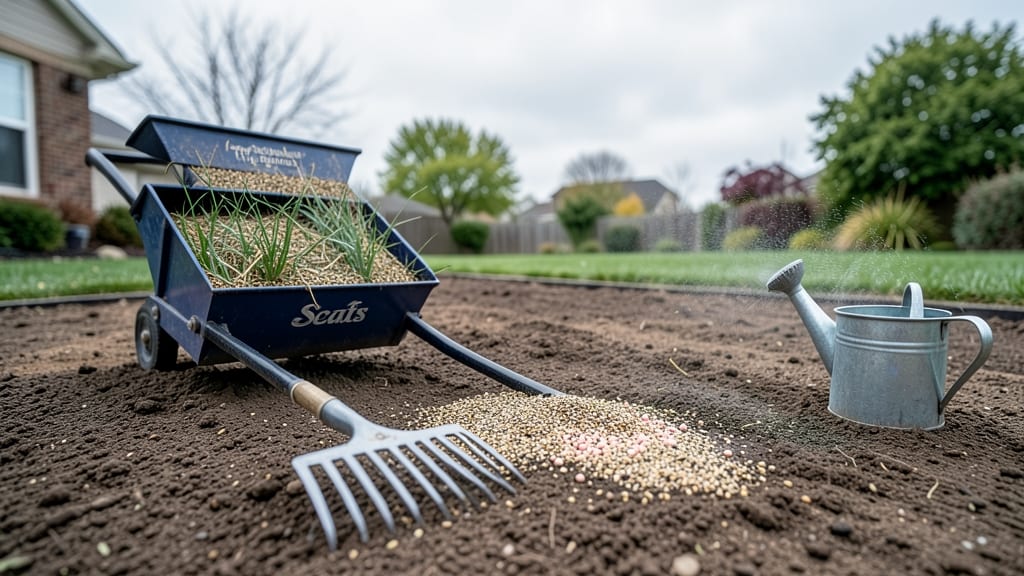
Putting grass seed down the right way means lush green coverage that lasts—no more patchy spots or washed-away seeds. 🌱 I’ve learned the hard way that proper prep and moisture control make all the difference between a thriving lawn and a second attempt next spring.
The key? Leveling the soil, choosing the right seed spread method, and keeping moisture consistent without drowning the seeds.
Start with a clean, raked surface—no rocks or debris—and loosen the top inch of soil to help roots establish. For most grasses, aim for ¼-inch deep seed coverage, whether you’re broadcasting or using a hand spreader.
Cool-season grasses like fescue need gentle watering twice daily, while warm-season types like Bermuda prefer deep but less frequent soakings. A light mulch of straw can help retain moisture while protecting seeds from birds.
Within 7-14 days, you’ll see those first tiny sprouts pushing through, signaling success. The real test comes in the first month, when proper watering keeps them from drying out or developing shallow roots.
Avoid walking on new seedlings until they’re at least 3 inches tall—trust me, your lawn will thank you later.
This method works for both new lawns and patch repairs, but adjust watering based on your grass type and local climate. If you rush the process, you’ll end up with weak, uneven growth.
Take your time, and you’ll have a thick, vibrant lawn that stands up to foot traffic and weather.
📚 In This Guide
- What you need
- Instructions
- Tips and common mistakes
- Wrapping up and next steps
What you need
- ● High-quality grass seed: Quantity: 10–20 lbs per 500 sq ft (check seed bag for exact coverage rate). Type: Choose a blend suited to your climate (e.g., cool-season for northern regions or warm-season for southern areas).
- ● Lawn rake: A bow rake (for leveling) or garden rake (for seed distribution).
- ● Soil tester kit: To check pH and nutrient levels (ideal range: 6.0–7.0).
- ● Compost or organic fertilizer: 10–20 lbs per 1,000 sq ft (for nutrients).
- ● Water source (hose or sprinkler): With a fine mist nozzle for gentle watering.
- ● Straw or peat moss: Lightweight mulch (1/4 inch thick) to protect seeds.
- ○ Lawn roller (optional but helpful): A lightweight (50–75 lb) roller for firming soil.
- ● Seed spreader: Broadcast or drop spreader for even distribution (saves time!).
- ● Soil amendment: Lime (if pH is too low) or sand (for heavy clay soil).
- ● Weed barrier fabric: To block weeds before seeding (use biodegradable options).
- ● Lawn starter fertilizer: High in phosphorus to boost root growth.
- ● Knee pads or gloves: For comfort during long sessions! 😉
Step-by-Step guide to planting grass seed for a lush lawn
Here's how I transform bare patches into vibrant grass—every time.
🪴 Step 1: Prepare the Soil for Optimal Seed Contact
Start by removing any debris, rocks, or dead grass from the area. Use a rake to loosen the top 1-2 inches of soil—this creates a soft bed for seeds to nestle into. I like to work in small sections (4x4 feet) so I don't accidentally compact the soil while prepping. If your area has thick thatch (over ½ inch), use a thatch rake to break it up—this prevents seeds from sitting on top where they'll dry out.
For bare spots, lightly scratch the soil with a garden rake to create tiny grooves. These tiny furrows help seeds stay in place and maintain contact with the soil. You'll know you've done it right when the surface looks lightly furrowed but not pulverized—like a fine sandpaper texture. This ensures seeds have just enough soil coverage to stay moist without being buried too deep.
🌱 Step 2: Spread Grass Seed Evenly for Uniform Growth
Divide your seed into half portions—this two-step method prevents clumping. Walk in one direction (north to south) and sprinkle the first half of the seed lightly over the area, letting it fall naturally between your fingers. Then, walk perpendicular (east to west) and apply the second half. This cross-pattern ensures even coverage without thick patches.
For 4,000 sq ft of lawn, you'll need about 8-12 lbs of seed, depending on the type. I like to use a broadcast spreader for large areas, but for small patches, a simple hand-sprinkling works just as well. Lightly rake the area again with a leaf rake to press seeds into the soil—just enough to cover them with ¼ inch of dirt. This prevents seeds from blowing away while keeping them close enough to sunlight.
💧 Step 3: Water Gently to Maintain Consistent Moisture
The first 2-3 weeks are critical—keep the soil evenly moist, like a wrung-out sponge. Water lightly 2-3 times daily for 5-10 minutes each time, just enough to dampen the top ½ inch of soil. Overwatering can wash seeds away, while underwatering causes them to dry out and fail to germinate. You'll see the perfect moisture level when the soil surface looks dark but not glistening.
Once seedlings reach 2-3 inches tall (about 3-4 weeks after planting), gradually reduce watering to 1 inch per week. This encourages deep root growth. I set a rain gauge to track moisture—it's the easiest way to avoid over- or under-watering. If the topsoil feels dry to the touch, it's time to water again. Avoid walking on the new grass until it's 3-4 inches tall to prevent damage to delicate seedlings.
⏰ Step 4: Maintain and Monitor for 6-8 Weeks
After the initial watering phase, keep the area moist but not soggy. Use a mulch layer of ¼ inch straw or peat moss to help retain moisture and prevent soil crusting—just don't let it smother the seedlings. I like to apply mulch after the first watering to lock in moisture while keeping the soil loose. This step is especially important in hot or windy climates where evaporation is high.
Watch for weeds—pull them by hand as soon as they appear, before they compete with your grass for water and nutrients. If you notice yellowing or patchy growth, it could mean uneven watering or poor soil contact. Adjust your watering schedule or lightly rake the area again to ensure seeds make contact with the soil. With consistent care, you'll see a thick, uniform lawn within 6-8 weeks.
Tips & tricks for perfect lawn establishment
Here's what nobody tells you about creating that perfect seedbed—these little details make all the difference between patchy results and a lush carpet of grass.
Soil Prep Secret: After loosening the top 1-2 inches of soil in Step 1, run a level across your work area to check for dips or mounds. Even the smallest uneven spots can cause water to pool in some areas while leaving others dry. I use a 4-foot leveling board to smooth the surface before seeding—this ensures consistent seed-to-soil contact across your entire patch. Think of it as creating a perfectly flat canvas for your grass masterpiece.
Seed Distribution Technique: When you're dividing your seed into half portions in Step 2, don't just eyeball it—weigh your seed first. Most seed packages include a scoop calibrated for specific coverage rates. For example, if your package says "10 lbs covers 1,000 sq ft," that scoop is your best friend. Using the two-step cross-pattern method prevents clumping, but accurate measurement prevents thick patches that can smother seedlings.
Watering Wisdom: Those 5-10 minute watering sessions in Step 3 should feel like a gentle rain, not a downpour. I test my sprinkler by placing a shallow container where the seeds will be—after 5 minutes, there should be about ¼ inch of water collected. If you see puddles forming, you're overwatering and risk washing seeds away. The key is maintaining that "wrung-out sponge" moisture level without creating runoff. A simple rain gauge makes this easy to track.
Mulch Application: When you apply that ¼ inch layer of straw or peat moss in Step 4, don't just dump it on randomly. Spread it evenly with a rake, making sure it doesn't pile up against seedlings. I like to work in the same cross-pattern as when seeding—this ensures consistent coverage. The mulch should look like a light dusting of snow on your lawn, not like you've laid down a thick blanket. This thin layer helps retain moisture while allowing sunlight to reach the seeds.
Pro Tips for Best Way To Put Grass Seed Down
- Here's what nobody tells you about creating that perfect seedbed—these little details make all the difference between patchy results and a lush carpet of grass.
- Soil Prep Secret: After loosening the top 1-2 inches of soil in Step 1, run a level across your work area to check for dips or mounds.
- Seed Distribution Technique: When you're dividing your seed into half portions in Step 2, don't just eyeball it—weigh your seed first.
Frequently asked questions
Got questions about seeding your lawn? You’re not alone! Here are answers to the most common concerns to help you achieve a lush, green yard with confidence.
When is the best time to put grass seed down?
The ideal window is early fall (September–October) or late spring (April–May) when soil temps are 60–75°F. Avoid summer heat or winter frost—these stress seeds and reduce germination rates. Cool, moist conditions give seeds the best shot at thriving!
How long does it take for grass seed to grow?
Most seeds sprout within 7–21 days, but full growth takes 3–4 weeks. Factors like soil prep, moisture, and sunlight speed up the process. Patience is key! Avoid walking on new grass until it’s at least 3–4 inches tall to prevent damage.
How often should I water grass seed?
Keep soil consistently moist (not soggy!) by watering lightly 2–3 times daily for the first 2 weeks. Once sprouts appear, switch to 1 inch per week (including rain). A sprinkler with a gentle mist setting works best to avoid washing seeds away.
Can I use straw or mulch instead of grass seed starter fertilizer?
Yes! A ¼-inch layer of straw (not hay—it contains weeds) helps retain moisture and protects seeds from birds. Skip mulch or wood chips, as they can block sunlight and smother growth. For extra nutrients, mix in a light layer of compost before seeding.
How do I keep birds and animals from eating my grass seed?
Birds and squirrels love fresh seed! Use chicken wire or netting to cover seeded areas until germination. For small patches, try a lightweight row cover. Scatter seed mixed with topsoil (1:1 ratio) to deter digging, and avoid seeding in windy conditions.
What should I do if my grass seed isn’t growing?
Check these first:
- Moisture: Soil should be damp like a wrung-out sponge.
- Sunlight: Ensure the area gets 6+ hours of sun daily.
- Soil contact: Seeds need ¼-inch of soil coverage.
- Temperature: If too hot/cold, wait for ideal conditions.
Wrapping up and next steps
You’ve got everything you need to transform a patchy lawn into a lush, green carpet! 🌱 The best way to put grass seed down starts with proper prep—clearing debris, leveling the soil, and choosing the right seed for your climate.
Don’t forget to keep it moist and protected until those sprouts pop up. With patience and care, your hard work will pay off in a vibrant lawn that’s the envy of the neighborhood.
Ready to roll up your sleeves? Start small—pick a sunny patch this weekend and give it a try! Your future lawn will thank you. 🌿