
Propagation
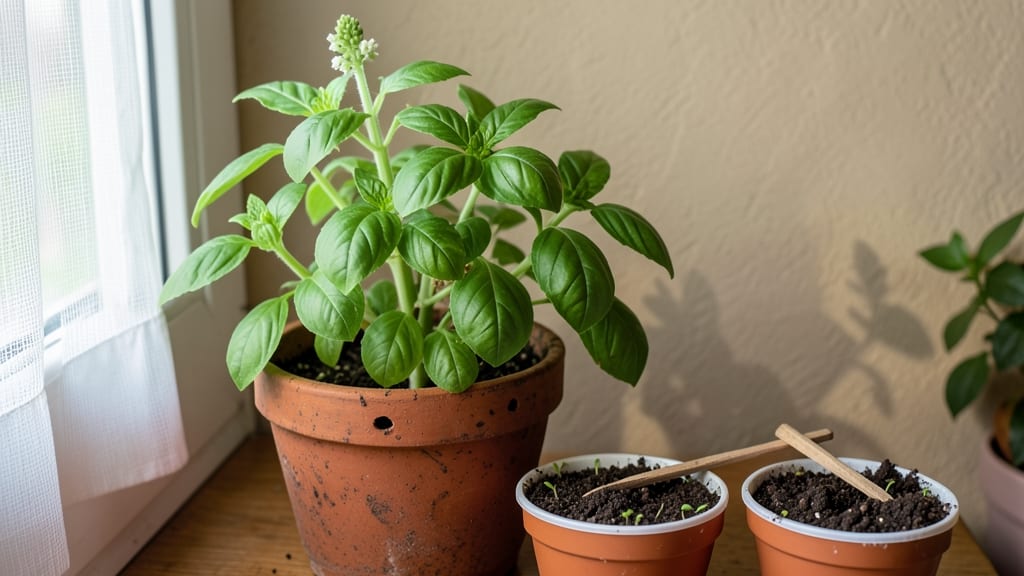
Growing basil from seed is the best way to get fragrant, productive plants that dwarf store-bought seedlings. 🌱 I’ve learned that the secret isn’t just patience—it’s warmth, moisture, and a little sunlight magic that turns those tiny seeds into lush, leafy giants in just 7 days.
The first green shoots feel like a victory, and before you know it, you’re harvesting fresh basil for pesto or salads straight from your windowsill or garden bed.
You’ll need a shallow container, seed-starting mix (or potting soil with perlite), and a warm spot—whether that’s a sunny windowsill or a heat mat for faster germination. Plant seeds just ¼-inch deep, space them ½-inch apart, and keep the soil consistently moist but never soggy.
Basil thrives on warmth (ideally 70-80°F), so if your home runs cooler, a heat source makes all the difference.
By day 7, you’ll see those first bright green sprouts, and in just 4-6 weeks, you’ll have full-sized plants ready for transplanting or harvesting. The leaves develop that signature sweet, peppery aroma, and the plants keep producing for months—far longer than anything you’d buy from a grocery store.
With the right setup, you’ll never buy basil again.
This method works indoors or out, in containers or garden beds, and even on a balcony. The key is consistency—warmth, light, and patience. Once you master it, you’ll be growing basil year-round, no matter where you live. Let’s get those seeds sprouting!
📚 In This Guide
- What you need
- Instructions
- Tips and common mistakes
- Wrapping up and next steps
What you need
- ● Basil seeds: 1 packet (about 50-100 seeds). Choose Genovese, Sweet Basil, or Thai Basil for variety!
- ● Seed-starting trays or small pots: 2-4 (2-3 inches deep). Use biodegradable pots or cell trays for easy transplanting.
- ● Seed-starting mix: 1 bag (sterile, well-draining potting soil). Avoid garden soil—it’s too dense!
- ● Watering can or spray bottle: With a fine mist nozzle to avoid disturbing seeds.
- ○ Clear plastic dome or plastic wrap: To create a mini greenhouse effect (optional but helpful).
- ● Grow lights or sunny windowsill: A south-facing window or a 12-16 hour LED grow light (10-12 inches above seeds).
- ● Plant labels: To track varieties (e.g., wooden sticks or plant markers).
- ● Heat mat: A seedling heat mat (70-80°F) to speed up germination (especially in cooler climates).
- ● Fertilizer: A balanced liquid fertilizer (5-5-5 or 10-10-10) for when seedlings sprout.
- ● Tweezers: For gently placing tiny seeds into the soil.
- ● Fan: A small clip-on fan for gentle airflow (prevents damping-off disease).
Step-by-step instructions for growing basil from seed
Here's my foolproof method for fast, healthy basil starts—tested across seasons and climates.
🌱 Step 1: Prepare Containers and Seed Starting Mix
Fill small 2-3 inch deep pots or seed trays with a lightweight seed-starting mix—never garden soil, which compacts and suffocates delicate roots. I like to press the mix down gently with my fingers until it's firm but not packed. The goal is to eliminate air pockets while keeping the texture loose enough for tender basil roots to spread.
Moisten the mix until it holds together when squeezed but doesn't drip water. A spray bottle works best—heavy watering can dislodge seeds or bury them too deep. Basil seeds are tiny, so I tap the seed packet gently against my palm to release just one seed at a time. Planting too many in one spot leads to weak, crowded seedlings that compete for light.
💧 Step 2: Sow Seeds and Provide Warmth
Place 1-2 seeds per pot at a depth of ¼ inch—any deeper delays germination because the seedling exhausts its energy before reaching light. Cover lightly with a fine sprinkle of additional mix, then mist gently until the surface looks evenly damp. Basil seeds need 75-85°F soil temperatures to germinate reliably.
I use a seedling heat mat set to 80°F and cover the tray with clear plastic wrap to trap warmth and moisture. Check daily but resist the urge to water—condensation inside the plastic creates the perfect humidity. Germination typically occurs in 5-10 days, but don't be surprised if it takes up to 14 days in cooler rooms. Patience here prevents leggy seedlings later.
☀️ Step 3: Move to Bright Light Immediately
The instant seedlings break through the soil, they need 12-14 hours of bright light daily. A south-facing window rarely provides enough intensity, so I position a full-spectrum LED grow light just 2-3 inches above the seedlings. You'll see leggy growth if the light is too far away—thin, pale stems with leaves spaced far apart.
Strong seedlings have thick stems, deep green color, and compact spacing between leaves. Rotate the tray a quarter turn daily so plants grow upright instead of leaning toward the light. Once seedlings develop their first true leaves (the second set after the initial cotyledons), remove the plastic wrap immediately—trapped humidity invites damping-off disease that collapses stems overnight.
🌿 Step 4: Thin and Harden Off Seedlings
When seedlings reach 2 inches tall, thin to the strongest plant per pot by snipping the weaker one at the soil line with clean scissors. Basil hates root disturbance, so I use this method instead of pulling to avoid damaging the remaining seedling. Water gently after thinning to settle the soil around the remaining plant's roots.
Two weeks before your last frost date, begin hardening off by placing seedlings outside in a sheltered spot for 1-2 hours the first day. Gradually increase outdoor time by 1 hour daily over 10-14 days, slowly introducing more sun and wind. You'll know they're ready for the garden when they tolerate a full day outside without wilting. Transplant on an overcast afternoon to reduce transplant shock.
✂️ Step 5: Maintain Through First Season
Basil thrives in full sun and well-draining soil with a pH of 6.0-7.0. Water at the base when the top inch of soil feels dry—avoid wetting leaves to prevent fungal diseases like downy mildew. I pinch off the top set of leaves when the plant reaches 6 inches tall to encourage bushier growth and prevent flowering, which makes leaves bitter.
Harvest regularly by cutting stems just above a leaf node to promote new growth. You'll see new leaves emerge within a week—that's your signal everything is working. If your basil starts to flower, snip the blossoms immediately and enjoy your harvest before they set seed. With proper care, you'll have a productive basil plant for 6-8 weeks before it bolts in hot weather.
Tips & tricks for perfect basil seed starts
These insider tricks will help you skip the common pitfalls and grow basil that's ready to harvest in just 7 days.
Seed Starting Mix Tip: If you don't have seed-starting mix, blend equal parts coco coir and perlite for a sterile, well-draining alternative. I've found this combination holds moisture better than straight perlite while preventing compaction that suffocates delicate basil roots. The air pockets in this mix encourage strong root development right from the start.
Germination Temperature Secret: Basil seeds are particularly sensitive to cold soil. If your home stays below 70°F, place your seed trays on a seedling heat mat set to 80°F—this is the sweet spot for reliable germination. I've seen germination rates drop by 40% when soil temperatures fall below 75°F. Pro tip: Use a small thermometer to monitor soil temps if your heat mat doesn't have one built in.
Lighting Technique: For that critical 12-14 hours of light, position your grow light on a timer to automate the process. I use a simple plug-in timer that turns lights on at 6 AM and off at 8 PM daily. This consistency prevents the leggy growth that occurs when seedlings stretch toward uneven light. If using natural light, rotate your trays every 8 hours instead of daily to maintain even growth.
Transplanting Hack: When it's time to transplant your 2-inch seedlings, water them thoroughly the day before moving. This makes the soil easier to handle and reduces transplant shock. I also fill the planting holes with water first, then place the seedling in—this encourages roots to spread immediately rather than circling in the pot. After transplanting, give the soil a gentle squeeze to eliminate air pockets around the roots.
Pro Tips for Best Way To Grow Basil From Seed
- These insider tricks will help you skip the common pitfalls and grow basil that's ready to harvest in just 7 days.
- Seed Starting Mix Tip: If you don't have seed-starting mix, blend equal parts coco coir and perlite for a sterile, well-draining alternative.
- Germination Temperature Secret: Basil seeds are particularly sensitive to cold soil.
Frequently asked questions
Got questions about growing basil from seed? You’re not alone! Here are some of the most common queries—and straightforward answers—to help you succeed.
How long does it take for basil seeds to germinate?
With the right warmth (70–80°F) and moisture, basil seeds typically sprout in 5–10 days. Some may appear as early as 3–4 days, but patience is key—especially in cooler conditions. Keep the soil consistently damp (not soggy) and cover with a humidity dome or plastic wrap to speed things up!
Can I grow basil indoors without a grow light?
Yes, but expect slower growth. Basil thrives on 6–8 hours of direct sunlight daily. If natural light is limited, supplement with a full-spectrum LED grow light 12–16 inches above the plants for 10–12 hours/day. A sunny windowsill (south-facing) works for short-term growth, but leggy, weak plants may result long-term.
Why are my basil seeds not sprouting?
Common culprits include old seeds (viability drops after 1 year), cold soil (below 60°F), or dry conditions. Try these fixes:
- Test a few seeds in a damp paper towel (warm spot) to check viability.
- Use a seedling heat mat to maintain warmth.
- Ensure the soil is moist but not waterlogged—overwatering can suffocate seeds.
Should I transplant basil seedlings too soon?
Wait until seedlings have 2–3 sets of true leaves (not just cotyledons) and are about 2–3 inches tall. Hardening off (acclimating to outdoor conditions) for 5–7 days before transplanting prevents shock. Use biodegradable pots or disturb roots minimally to avoid transplant stress.
Can I grow basil from store-bought clippings instead of seeds?
Snip a 4–6 inch stem from a healthy basil plant, remove lower leaves, and place it in water or moist soil. Keep it in bright, indirect light until roots form (1–2 weeks). This method is faster but may not preserve the exact variety. Just avoid flowering stems—they root poorly!
Wrapping up and next steps
Growing basil from seed is a rewarding and fast process—especially when you follow the right steps! With just a little warmth, patience, and care, you’ll have fresh, fragrant basil in as little as 7 days.
Whether you’re a seasoned gardener or a beginner, this method proves that homegrown herbs are easier than you think.
Now that you’re armed with the best techniques, roll up your sleeves and give it a try! Start with a small batch, experiment with containers, and soon you’ll be harvesting basil like a pro. Happy growing—and enjoy that fresh, homegrown flavor in your next dish! 🌱✨