
Planting
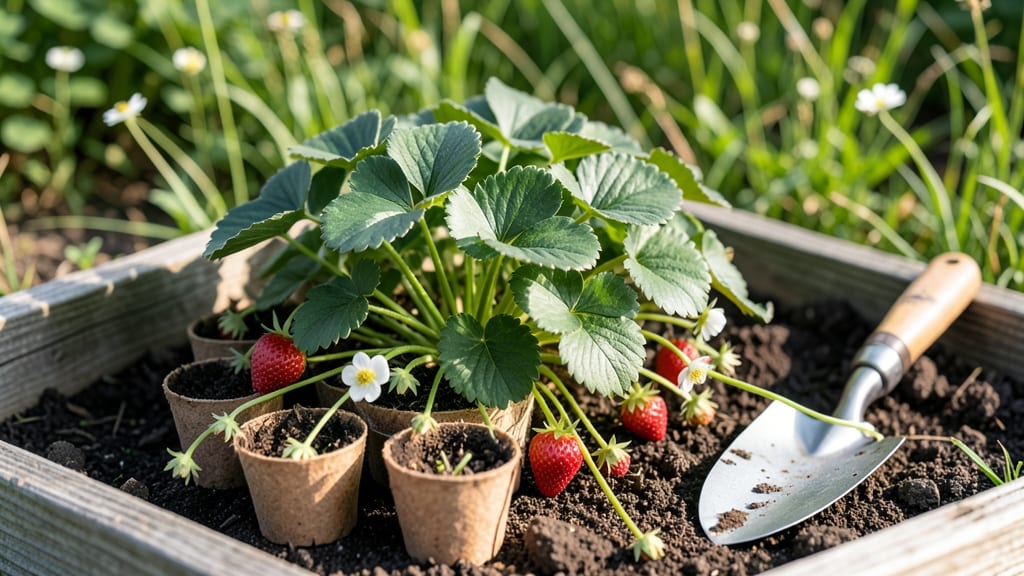
Planting strawberry seeds at the best time ensures strong, healthy starts for your 🍓 harvest—so timing is everything.
If you’ve ever watched tiny strawberry seedlings struggle in unpredictable weather or bolt into flower too soon, you know how critical the window is. One week too early or late can mean the difference between a thriving patch and wasted effort.
For most gardeners in USDA Zone 6a, the ideal window is late winter to early spring—March or April—when soil temperatures hover around 50°F and frost risks have passed. But whether you’re in a cooler climate or a warmer one, the right approach varies.
Below, I’ll break down the exact deadlines for indoor starts, outdoor planting, and how to adjust for early or late harvests—plus the one mistake that kills even the best-laid plans.

USDA planting zones: when to start strawberry seeds indoors vs. outdoors
Timing strawberry seeds correctly by USDA zone maximizes your harvest potential. Whether you're starting seeds indoors or planting directly outdoors, understanding your zone's last frost date and soil temperatures is critical.
For example, in Zone 3, you'll need to start seeds much earlier than in Zone 10—where outdoor planting can happen year-round. Let's break down the best windows for each zone to ensure your strawberries thrive from seed to fruit.
Strawberries are cool-season crops, but their germination requirements differ from mature plant needs. Seeds need consistent warmth (70-75°F) to sprout, while established plants prefer cooler temperatures (60-75°F) for optimal growth. This duality means your indoor starting time and outdoor transplant window must align perfectly with your zone's climate patterns.
For instance, gardeners in Zone 5 might start seeds indoors in February but can't transplant until May, while Zone 8 growers can direct-sow in September for a fall harvest.
Here’s a zone-by-zone breakdown of when to start strawberry seeds indoors and when to transplant outdoors, including key frost dates and soil temperature targets to avoid common pitfalls like bolting or damping off. Use this as your guide to plan ahead and avoid rushed planting that stunts growth.
| USDA Zone | Indoor Start Time | Outdoor Transplant Window | Last Frost Date | Soil Temp for Germination | Notes |
|---|---|---|---|---|---|
| Zone 3 | February (8-10 weeks before last frost) | Late May to early June | May 10 | 70-75°F (21-24°C) | Use row covers for early protection. |
| Zone 4 | Late January to February | Mid-May to early June | May 1 | 70-75°F (21-24°C) | Hardening-off required for 2 weeks. |
| Zone 5 | February | Early to mid-May | April 15 | 70-75°F (21-24°C) | Direct sow possible in late spring. |
| Zone 6 | Late January to early February | Mid-April to early May | April 1 | 70-75°F (21-24°C) | Fall planting possible in Zone 6b. |
| Zone 7 | January to February | Late March to April | March 15 | 70-75°F (21-24°C) | Spring and fall planting both viable. |
| Zone 8 | October to November (fall) or February (spring) | September or March-April |
How to adjust planting for early vs. late harvests in your climateIf you want strawberries from spring through fall, timing is your secret weapon. Staggered planting and season extension techniques let you harvest earlier or later than your neighbors—even in the same zone. The key is matching your method to your climate. In cool zones (3-5), focus on spring and early summer harvests with row covers for fall. In warm zones (7-10), you can push harvests into late fall with shade cloth and drip irrigation. My favorite trick? Planting everbearing varieties in two waves: one in early spring and another in late summer. This gives you two harvests per season—June and September—without extra work. The trade-off? You’ll need to monitor soil temps closely, since late-season plants need consistent warmth to fruit. In Zone 6a, I’ve seen this extend harvests by 4-6 weeks compared to single-planting.
For Zone 6a gardeners like me, the sweet spot is combining row covers with staggered planting. I plant everbearing 'Seascape' in early April and again in late July. The first batch ripens in June, while the second gives September-October berries—just in time for canning or freezing. The secret? Mulching heavily in late summer to insulate roots from early frost. Don’t overlook container growing for late harvests. Pots on patio heaters (wrapped in bubble wrap) can keep soil 10°F warmer than ground beds, pushing harvests 2-3 weeks later. Just ensure containers have drainage holes and use lightweight potting mix to prevent waterlogging. My Zone 7 friends swear by this method for Thanksgiving harvests! Pro tip: Track your first and last frost dates for 3 years to spot trends. In Zone 5, I’ve seen last frosts shift from May 10 to May 20 over a decade—adjusting my planting schedule accordingly. Pair this with a garden journal to note which varieties perform best in your microclimate. Alpine strawberries often outperform standard types in high-altitude zones (6-8), while day-neutral varieties shine in humid climates (9-10). Remember: Patience pays off. Rushing planting or harvests risks blossom end rot or underripe fruit. When in doubt, err on the side of cooler soil temps—strawberry roots prefer 55-65°F for optimal growth. With these tweaks, you’ll turn your one-season harvest into a six-month berry bonanza! 🍓 |