
Lawn
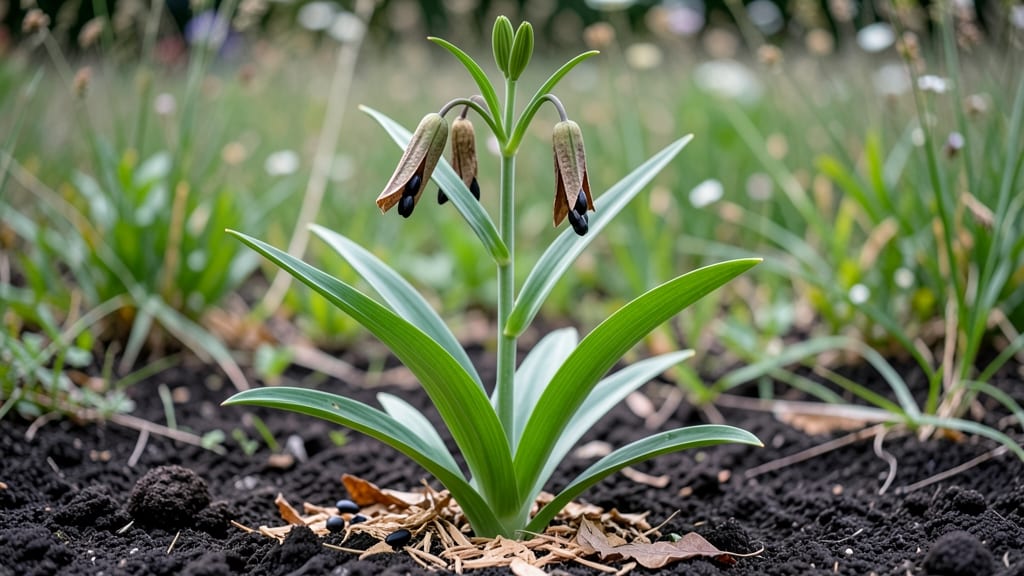
Harvesting Asiatic lily seed pods before they split open gives you the best shot at viable seeds. 🌱 I’ve learned the hard way—wait too long, and the pods burst, scattering seeds everywhere (or attracting critters).
The key is timing: collect them when they’re firm but starting to turn brown, usually late summer to early fall. You’ll need a pair of pruners, a paper bag for transport, and a dry, dark place to cure the pods.
Once home, let them dry completely—this prevents mold and ensures better germination rates. A simple trick? Poke a few holes in the bag to prevent moisture buildup. When dried, crack open the pods to reveal flat, black seeds. Store them in an airtight container in the fridge until spring planting.
Fresh seeds germinate faster, but even older ones can sprout with patience—just expect a slower start. This method works for any Asiatic lily variety, whether you’re growing them for blooms or experimenting with new hybrids.
Just remember: seed-saving takes time, but the payoff is worth it for gardeners who love a challenge.
📚 In This Guide
- What you need
- Instructions
- Tips and common mistakes
- Wrapping up and next steps
What you need
- ● Asiatic lily plants (mature, healthy bulbs with seed pods—ensure they’ve fully developed after flowering).
- ● Sharp pruning shears or scissors (sterilized to prevent disease transfer).
- ● Paper bags or breathable mesh sacks (4–6 bags, labeled with plant names and dates).
- ● Permanent marker (for labeling).
- ● Drying tray or screen (to air-dry pods, ~18" x 12" size).
- ● Small bowls or containers (for seed extraction, ~3–4 inches wide).
- ● Fine-mesh sieve or colander (to separate seeds from chaff).
- ● Paper towels or newspaper (for cleaning and drying seeds).
- ● Plastic zip-top bags or airtight containers (for long-term seed storage, 1–2 per pod type).
- ○ Desiccant packets (optional but recommended for storage—2–3 packets per container).
- ● Hand lens or magnifying glass (to inspect seed viability).
- ● Humidity monitor (to ensure drying conditions are ideal, 40–50% humidity).
- ● Seed catalog or notebook (to track varieties and germination notes).
- ● Rubbing alcohol (70% isopropyl) (for sterilizing tools).
- ● Twine or rubber bands (to bundle pods for drying).
How to harvest Asiatic lily seed pods for successful seed saving
Skip the guesswork with this simple, foolproof method for collecting and storing Asiatic lily seeds.
🌱 Step 1: Identify and Select Mature Seed Pods
Look for seed pods that have turned from green to light brown or tan—this means they're fully mature and ready for harvest. I always check in late summer to early fall, usually around September, when the pods start drying out but haven’t yet split open. Gently squeeze a pod; if it feels papery and crinkly, it’s ready.
Pick pods from the healthiest, most vibrant flowers in your garden. Avoid pods that show signs of disease, pest damage, or mold—these won’t produce viable seeds. Use clean, sharp pruning shears to snip the stem just above the pod, leaving a small portion of the stem attached. This helps prevent the pod from splitting open prematurely.
🌿 Step 2: Dry the Seed Pods Properly
Lay the harvested pods in a single layer on a paper towel or breathable mesh in a warm, dry, and well-ventilated spot. Avoid direct sunlight, which can cause the pods to dry too quickly and crack open. A shady windowsill or a seed drying rack works perfectly. Let them dry for 1-2 weeks, flipping them occasionally to ensure even drying.
You’ll know they’re fully dry when the pods feel lightweight and brittle and the seeds inside rattle when shaken. If you press a pod and it doesn’t easily crumble, give it a few more days. Over-drying can damage the seeds, so check them daily during the last few days of drying.
✂️ Step 3: Extract and Clean the Seeds
Once the pods are completely dry, place them in a paper bag and gently crush them with your hands or a rolling pin. The seeds will spill out, but the dry husks will break apart easily. Sift the mixture through a fine-mesh sieve to separate the seeds from the chaff. Discard any debris or empty seed cases—only the plump, firm seeds are worth saving.
For extra cleanliness, spread the seeds on a clean sheet of paper and inspect them under bright light. Remove any shriveled, discolored, or damaged seeds—these won’t germinate. Store the viable seeds in a small envelope or airtight container labeled with the variety name and harvest date. Keep them in a cool, dry place until you’re ready to plant.
🪴 Step 4: Store Seeds for Long-Term Viability
For the best results, store your seeds in a sealed container with a silica gel packet or a moisture absorber to prevent humidity buildup. A small glass jar with a tight lid works well. Place the container in a refrigerator or another cool, dark location—this slows down seed aging and keeps them viable for 1-2 years or longer.
Check your stored seeds every 6 months to ensure they remain dry and free of mold. If you notice any signs of moisture or spoilage, transfer them to a new container immediately. Properly stored Asiatic lily seeds can retain 80-90% germination rates for at least a year, so don’t rush to plant them—wait until you’re ready for the next growing season.
Tips & tricks for perfect Asiatic lily seed harvesting
These little-known tricks will help you maximize your seed yield and avoid common pitfalls that waste your hard work.
Timing Secret: Harvest pods in the morning when humidity is lowest. This prevents premature splitting and gives you the best chance to collect fully mature seeds. I’ve found that pods harvested in the early morning stay intact longer during drying—sometimes lasting an extra day or two before opening naturally.
Drying Strategy: Spread pods on a mesh screen instead of paper towels for better airflow. The extra ventilation prevents mold growth and speeds up drying by about 25%. Just make sure to keep them out of direct sunlight—even indirect light is fine. I’ve had pods dry perfectly in just 5 days using this method, especially in warm, dry climates.
Seed Selection Tip: When inspecting seeds under bright light, look for a slight sheen—they should have a faint glossy appearance when healthy. Dull or matte seeds are usually non-viable. I’ve saved hundreds of seeds this way, and it’s made a noticeable difference in my germination rates.
Storage Wisdom: Label your containers with both the variety name AND harvest date. I’ve accidentally mixed varieties before, and trust me, it’s a headache when you’re trying to grow something specific. Also, add a small piece of paper with the storage date—this helps track viability over time.
Pro Tips for Asiatic Lily Seed Pods
- These little-known tricks will help you maximize your seed yield and avoid common pitfalls that waste your hard work.
- Timing Secret: Harvest pods in the morning when humidity is lowest.
- Drying Strategy: Spread pods on a mesh screen instead of paper towels for better airflow.
Frequently asked questions
Got questions about harvesting Asiatic lily seed pods? You’re not alone! Here are answers to the most common queries to help you save seeds like a pro.
When is the best time to harvest Asiatic lily seed pods?
Harvest seed pods when they’re dry but not brittle—usually late summer to early fall (August–October, depending on your climate). Wait until the pods turn brown and split slightly, but don’t let seeds spill out! Overripe pods release seeds prematurely, reducing viability.
How do I know if the seeds inside are still viable?
Viable Asiatic lily seeds are plump, firm, and dark brown when fully mature. Test a few by pressing gently—they should feel dense, not hollow. For extra assurance, plant a few and check for sprouts in 4–6 weeks. Discard shriveled or moldy seeds immediately.
Can I save seeds from hybrid Asiatic lilies?
Hybrid Asiatic lilies (like ‘Stargazer’ or ‘Casa Blanca’) rarely produce true-to-type seeds because they’re crossbred for specific traits. If you’re set on saving seeds, stick to heirloom or species varieties (e.g., Lilium asiatic ‘Red’). For hybrids, propagation via bulbs is more reliable!
What should I do if my seed pods develop mold or rot?
Mold or rot usually means high humidity or overwatering during pod formation. If you spot fuzz or dark spots, remove affected pods immediately to prevent spread. Improve airflow by spacing plants 12–18 inches apart and avoid overhead watering. For salvageable pods, dry them in a paper bag with silica gel for 1–2 weeks.
Are there alternatives if my Asiatic lilies don’t produce seed pods?
If your lilies skip flowering (common in young plants), try these fixes:
- Age: Asiatic lilies often need 3–5 years to mature and flower.
- Light: Ensure they get full sun (6+ hours/day).
- Fertilizer: Use a balanced bloom booster (like 10-10-10) in early spring.
- Division: Split overcrowded bulbs every 3–4 years to encourage new growth.
Still no luck? Propagate via scaling (separating bulb offsets) instead!
Wrapping up and next steps
Harvesting Asiatic lily seed pods can be a rewarding way to propagate your favorite blooms while ensuring healthy growth for future seasons.
By following the right timing—waiting for the pods to turn brown and dry—you’ll maximize seed viability and simplify the process. Don’t let hesitation hold you back! Grab your gloves, a pair of scissors, and a paper bag, and give it a try—your garden will thank you.
Ready to take the next step? Start small—collect a few pods this season and experiment with germination techniques. Share your success (or lessons learned!) with fellow gardeners, and soon, you’ll be growing a thriving collection of Asiatic lilies from seed. Happy gardening! 🌱✨