
Advice
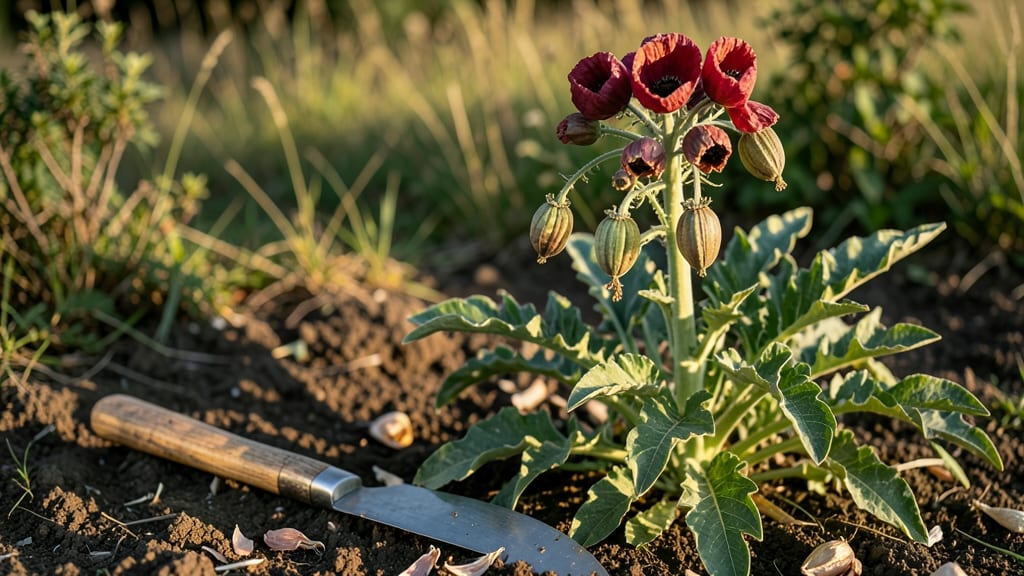
Poppy seeds do contain natural opiates, but the amounts in food-grade varieties are usually negligible. 🔥 The concern comes from how these compounds accumulate—raw seeds or improperly processed batches can have higher concentrations.
For example, baking with commercial poppy seeds (like those in bagels or muffins) poses minimal risk, while handling large quantities of raw seeds might require extra caution. Drug tests often flag these traces because they're designed to detect even tiny amounts, which is why sourcing matters so much.
If you're growing poppies for culinary use, focus on certified food-grade seeds and follow proper drying methods. Many regions regulate poppy cultivation due to these compounds, so always check local laws before planting.
The key takeaway? Enjoy poppy seeds in moderation, and when in doubt, opt for seeds labeled specifically for baking or cooking.
💡 In This Article
- How Opiate Levels Vary in Poppy Seeds
- Growing Poppy Seeds Safely for Culinary Use
How opiate levels vary in poppy seeds
Poppy seeds naturally contain two opiates—morphine and codeine—which are byproducts of the plant's defense mechanism. The morphine content typically ranges from 0.004% to 0.01% in food-grade seeds, while codeine levels are even lower, around 0.0005% to 0.002%.
These concentrations are so minimal that consuming them in baked goods (like 1 tablespoon of seeds, which contains about 1,500 seeds) would expose you to roughly 0.006 milligrams of morphine—far below the 300 milligrams considered a recreational dose. 🔥
The opiate levels fluctuate based on seed maturity and processing. Immature seeds contain higher concentrations because the plant hasn’t fully developed its protective mechanisms. Once fully ripe, the seeds harden and the opiate content stabilizes. Commercial food-grade seeds undergo strict drying and cleaning processes to reduce potency further.
However, if seeds are dried too slowly or improperly, they can retain higher levels of morphine and codeine. For example, a study published in the Journal of Analytical Toxicology found that improperly dried seeds had up to 5 times the morphine content of properly processed ones.
This variation explains why drug tests often flag poppy seed consumption. Urine screenings are designed to detect even trace amounts—sometimes as low as 300 nanograms per milliliter—which can be triggered by consuming as little as 0.5 teaspoons of raw seeds. The issue isn’t intoxication but the test’s sensitivity.
For context, eating a poppy seed bagel (which contains about 1.5 teaspoons of seeds) might produce a false positive in someone with a low threshold, while baking with commercial-grade seeds reduces this risk significantly. ✨
Processing also plays a critical role. Roasting or grinding seeds can slightly increase opiate release due to heat and mechanical breakdown, but the amounts remain negligible in culinary contexts. The real concern arises when handling large quantities of raw seeds, such as during home cultivation.
In such cases, proper drying at 100-120°F for 2-3 days is essential to minimize opiate retention. Always opt for seeds labeled "culinary" or "food-grade" to ensure safety.
Another factor is the seed’s origin. Poppy varieties bred for opium production (like Papaver somniferum) have higher opiate levels, while those cultivated for food (such as the blue poppy or California poppy) contain trace amounts.
For instance, blue poppy seeds are nearly opiate-free, making them a safer alternative for baking. If you’re growing poppies, choose food-grade varieties and follow local regulations—some regions require permits for cultivation due to these compounds.
Understanding these nuances helps demystify the safety of poppy seeds. While they do contain opiates, the levels in properly processed, food-grade seeds are so low that they’re harmless in typical culinary uses. The key is sourcing and preparation—always prioritize seeds intended for eating over raw or improperly dried varieties. 💫