
Pruning
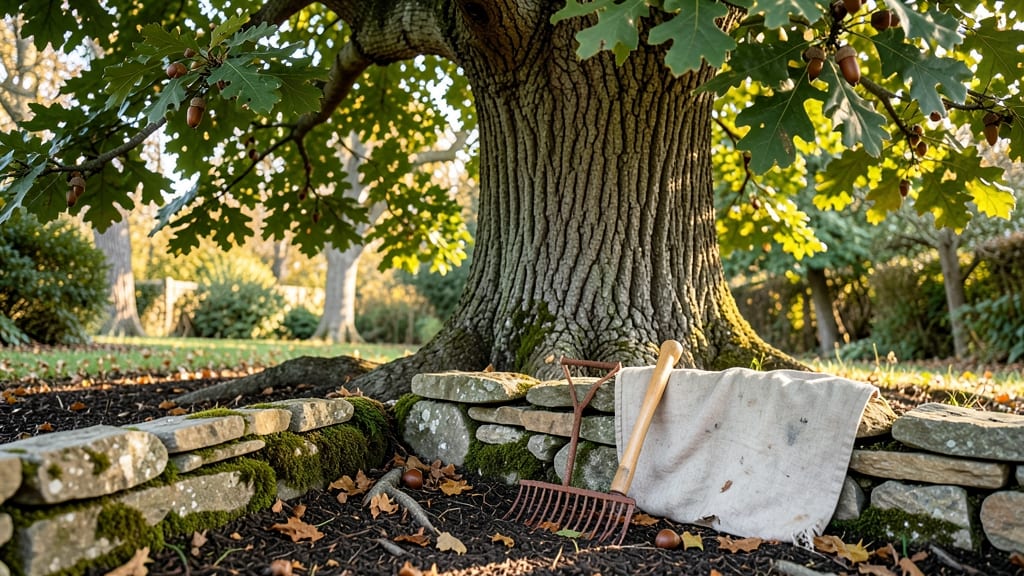
Growing acorn tree seeds into towering oaks starts with the right acorns—and I’ve cracked the code after years of trial and error. 🌰 The secret isn’t just planting; it’s knowing which acorns hold potential and how to coax them into life.
White oaks and bur oaks are the easiest to grow, while black oaks and chestnuts need extra patience. Freshness matters too: acorns older than six months rarely sprout, no matter how hard you try.
Once you’ve picked the perfect acorns, the real magic happens with stratification—a fancy term for mimicking winter’s cold spell. I’ve tried everything from burying acorns in damp sand in the fridge to planting them directly in pots and moving them outside for winter.
The fridge method works best: keep them moist and chilled for 90-120 days, then plant when spring arrives. No fancy equipment needed—just patience and a little science.
When it’s time to plant, dig a hole twice as deep as the acorn’s length and cover it lightly with soil. Keep the spot moist but not soggy, and place it in full sun where it won’t be disturbed.
Within 4-8 weeks, you’ll see tiny shoots—proof that your forest is growing. The first year is critical: protect seedlings from deer, squirrels, and harsh weather, and you’ll have a strong, thriving oak ready for transplanting in a few years.
This isn’t just about growing a tree—it’s about creating a legacy. Every acorn you plant today could become a shade provider, a wildlife haven, or even a future home for your grandchildren. Start small, stay consistent, and you’ll watch your forest take shape, one seed at a time.
📚 In This Guide
- What you need
- Instructions
- Tips and common mistakes
- Wrapping up and next steps
What you need
- ● Fresh acorn seeds: 5–10 viable acorns (preferably from oak trees like Quercus robur or Quercus alba). Ensure they’re plump, heavy, and free of cracks or pests.
- ● Water: Distilled or rainwater (1–2 cups for soaking). Avoid tap water if it’s heavily chlorinated.
- ● Container: Option 1: Small peat pots or biodegradable seedling trays (3–4 inches deep).
- ● Option 2: A shallow tray or bowl with drainage holes (for cold stratification).
- ● Growing medium: Option 1: Well-draining potting mix (sterilized, with perlite or vermiculite for aeration).
- ● Option 2: A 50/50 blend of peat moss and coarse sand (for faster drainage).
- ● Plastic wrap or humidity dome: To retain moisture during germination.
- ● Spray bottle: For gentle watering (avoid over-saturating the soil).
- ● Refrigerator or cold frame: For the cold stratification step (4–6 weeks at 33–41°F/1–5°C).
- ● Grow lights or sunny windowsill: A south-facing window or LED grow lights (12–16 hours/day) for seedlings.
- ● Fungicide: A mild solution (e.g., hydrogen peroxide 3%) to prevent mold during stratification.
- ● pH test kit: To ensure your soil is slightly acidic (pH 5.5–6.5), ideal for oak seedlings.
- ● Heat mat: For faster germination (70–75°F/21–24°C) if you’re impatient!
- ● Label markers: To track planting dates and varieties.
- ● Compost or worm castings: For nutrient-rich soil once seedlings sprout.
Step-by-step instructions for germinating acorn tree seeds
Here's how to break the acorn's tough shell and grow sturdy seedlings ready for transplanting.
🌱 Step 1: Prepare the Acorns for Planting
Start by selecting fresh, plump acorns from mature oak trees—avoid those with cracks or holes, as they won't germinate well. I like to soak them in warm water for 24 hours to soften the hard shell. This step mimics natural winter conditions and helps the seed absorb moisture before germination.
After soaking, gently rub the acorns between two layers of sandpaper to scratch the shell lightly. This mimics the action of frost and small animals in the wild, breaking dormancy. Don't over-scratch—just enough to expose a small area of the seed inside. Place them in a paper towel and wrap it loosely so the acorns stay damp but not soggy.
🌿 Step 2: Stratify the Seeds for Germination
Acorns need cold stratification to break dormancy, which mimics the natural winter period. Place the wrapped acorns in a sealed plastic bag with a small amount of moist peat moss or vermiculite—just enough to keep everything damp. Store them in your refrigerator for 6-8 weeks, checking occasionally to ensure they stay moist but not wet.
This cold treatment is critical—without it, most acorns will simply rot or refuse to sprout. I like to label the bag with the date and variety (if known) so I don't forget. After 6 weeks, remove the bag and let the acorns sit at room temperature for 1-2 weeks to encourage germination.
⏰ Step 3: Plant the Stratified Acorns
Fill small pots with sterile potting mix (not garden soil) and plant the acorns 1 inch deep, about ½ inch apart. Use a pencil to make a small hole for each acorn—this ensures consistent depth and prevents overcrowding. Water gently until the soil is moist but not saturated, and place the pots in a warm, bright location (around 70°F).
Germination can take 4-12 weeks, depending on the oak species and conditions. Keep the soil consistently moist—never let it dry out completely, but avoid soggy conditions. You'll know it's working when you see the radicle (tiny root) emerge first, followed by the shoot breaking through the soil.
☀️ Step 4: Care for Seedlings Until Transplanting
Once the seedlings have 2-3 true leaves (not just the initial seed leaves), they're ready for individual pots. I like to use 3-inch pots filled with a mix of potting soil and perlite for better drainage. Transplant carefully, keeping the root ball intact to avoid damaging the delicate roots.
Place the seedlings in bright, indirect light for the first week to help them adjust. After that, gradually introduce them to full sun (6+ hours daily). Water when the top inch of soil feels dry, but avoid overwatering—oak seedlings are tough but can rot if kept too wet.
✂️ Step 5: Harden Off Before Outdoor Planting
Before moving seedlings outdoors, harden them off by placing them in a sheltered spot for 1-2 hours the first day, gradually increasing time over 2 weeks. This helps them adjust to wind, sun, and temperature fluctuations. Choose a partly cloudy day for transplanting to reduce stress on the young plants.
Plant the hardened-off seedlings in well-draining soil with full sun exposure. Space them 10-15 feet apart to allow for future growth. Mulch around the base to retain moisture and suppress weeds. With patience, your acorns will grow into strong oak trees in just a few years!
Tips & tricks for perfect acorn tree seed germination
These little-known tricks will help you break dormancy and grow strong oak seedlings with fewer headaches.
Acorn Selection: The key to success starts with the right acorns—look for plump ones with smooth shells and no visible cracks. I've found that acorns from white oak trees (like the bur oak) germinate more reliably than red oak varieties. After collecting, store them in a cool, dry place until you're ready to begin the 24-hour soak. This mimics natural conditions where acorns would spend winter in the soil before germinating in spring.
Stratification Timing: Don't rush the 6-8 week cold stratification period—this is where most failures happen. I've learned that consistency is key: check your acorns weekly during this time, and if they feel dry, add a tiny bit of water to the peat moss or vermiculite. The goal is to keep everything just damp, not soggy. After the 6 weeks, let them sit at room temperature for 1-2 weeks before planting, which helps trigger germination hormones naturally.
Planting Depth: When it's time to plant, that 1-inch depth is critical—any deeper and they might rot, any shallower and they won't have enough support. I use a pencil to make the planting holes because it gives me perfect, consistent depth every time. After planting, give the soil a gentle squeeze—it should hold its shape but not be bone dry. This moisture level is ideal for germination without encouraging mold growth.
Lighting Strategy: That 70°F warm, bright location for germination doesn't mean direct sunlight—think of it as strong indoor lighting, like under fluorescent grow lights or near a south-facing window. I've had better success with seedlings that get bright, indirect light during this stage. Once they've developed their first true leaves, you can gradually introduce them to more direct sunlight over about a week to harden them off.
Pro Tips for Acorn Tree Seeds
- These little-known tricks will help you break dormancy and grow strong oak seedlings with fewer headaches.
- Acorn Selection: The key to success starts with the right acorns—look for plump ones with smooth shells and no visible cracks.
- Stratification Timing: Don't rush the 6-8 week cold stratification period—this is where most failures happen.
Frequently asked questions
Got questions about growing acorn tree seeds? You’re not alone—these little nuts pack big potential! Here are answers to the most common queries to help you succeed.
How long does it take for acorn seeds to germinate?
Acorns typically germinate in 4 to 12 weeks under ideal conditions (moisture, warmth, and proper stratification). Some varieties may take longer, especially if stored improperly. Patience is key—keep soil consistently damp and monitor for sprouts!
Can I plant acorns directly from the tree?
Yes, but stratification (cold treatment) is crucial for breaking dormancy. Collect fresh acorns, remove any worms, and store them in a damp medium (like peat moss) in the fridge for 6–12 weeks before planting. Skipping this step often leads to failed germination.
What’s the best soil mix for acorn seedlings?
Use a well-draining, slightly acidic mix (pH 5.0–6.5) with equal parts:
- Potting soil
- Perlite or sand
- Compost
Why aren’t my acorns sprouting?
Common culprits include:
- Improper stratification (too warm or dry)
- Old/rotten acorns (plant only plump, fresh ones)
- Poor drainage (root rot can kill seedlings)
- Inconsistent moisture (keep soil damp, not waterlogged)
Can I grow acorns indoors first?
Start seeds in small pots with heat mats (70–80°F) to speed germination. Once seedlings have 2–3 true leaves, transplant them outdoors after the last frost. Just be prepared—they’ll need plenty of sunlight (6+ hours daily) to thrive.
Wrapping up and next steps
Growing acorn tree seeds into thriving saplings is a rewarding journey that connects you to nature’s timeless cycles. 🌱 By mastering the right soil, moisture balance, and patience, you’re not just planting seeds—you’re nurturing future giants that will shape landscapes for generations.
Whether you’re a gardening novice or a seasoned green thumb, every tiny sprout is a testament to your dedication.
Ready to take the next step? Start small—plant a few acorns this season and observe their progress. Share your successes (or lessons learned!) with fellow plant enthusiasts, and consider expanding your forest garden with native species to support local ecosystems.
The forest starts with you—one seed at a time! 🌳✨