
Lawn
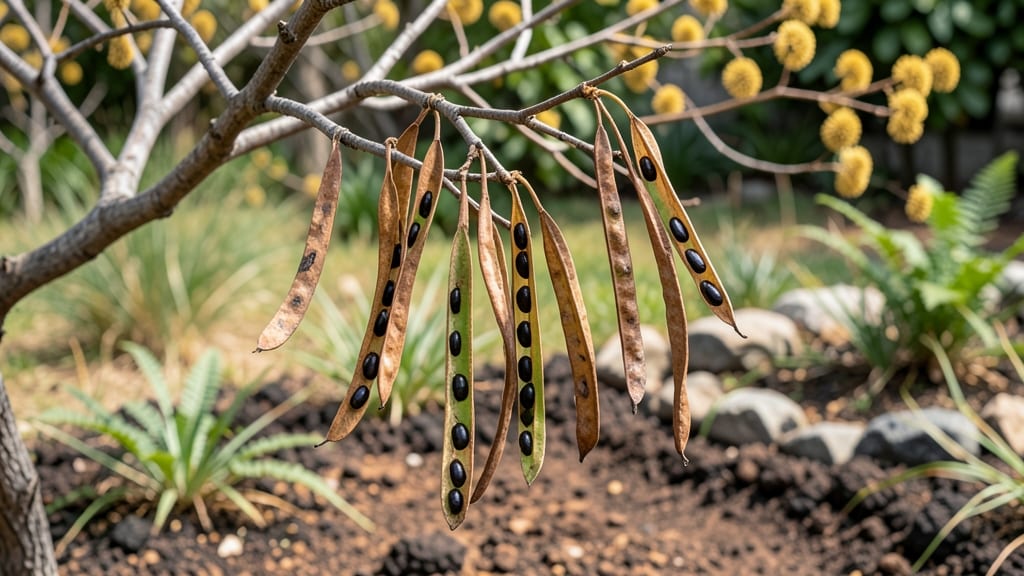
Acacia seed pods hold the key to growing these drought-resistant trees from scratch. 🌱 The moment I cracked open my first pod, I knew these seeds were worth the patience—they’re packed with potential for shade trees, erosion control, or even bonsai projects.
The trick is collecting them at the right stage, preparing them properly, and giving them the conditions they actually need to break dormancy.
You’ll need just a few simple tools: gloves (those pods have sharp edges!), a paper bag for drying, sandpaper or a knife for scarification, and small pots or a seed tray.
The process takes about 3-4 weeks from collection to planting, but the payoff is worth it—healthy seedlings that thrive in poor soil once established. Some species, like Acacia koa, germinate faster with warm stratification, while others, like Acacia melanoxylon, respond better to soaking.
By the time you’re ready to plant, you’ll have plump, dark seeds ready to sprout within 7-21 days under the right conditions. The seedlings start slow but grow into hardy trees that handle heat and drought like pros.
Imagine watching them transform from tiny sprouts into towering shade providers—it’s a rewarding journey that starts with just one pod.
Works for both backyard gardeners and large-scale land restoration. Here’s how to make it happen without the guesswork.
📚 In This Guide
- What you need
- Instructions
- Tips and common mistakes
- Wrapping up and next steps
What you need
- ● Acacia seed pods: 10–20 mature, dry pods (harvested from healthy trees or purchased from a nursery). Ensure they’re fully brown and slightly papery.
- ● Pruning shears or scissors: Sharp, clean tools for harvesting pods without damaging the tree.
- ● Paper towels or newspaper: Enough to cover a flat surface for drying seeds (1–2 sheets).
- ● Plastic bag or airtight container: A resealable bag or jar for storing seeds temporarily.
- ● Small pots or seed trays: 3–5 shallow containers (4–6 inches deep) with drainage holes.
- ● Well-draining potting mix: A blend of cactus/succulent mix and perlite (50/50 ratio) for optimal aeration.
- ● Spray bottle with water: For gentle misting during germination.
- ○ Heat mat (optional but helpful): A seedling heat mat (set to 70–80°F) to speed up germination.
- ● Grow lights: LED or fluorescent lights for seedlings if natural light is insufficient.
- ● Humidity dome: A clear plastic cover to retain moisture around seeds.
- ● Seed germination kit: Pre-made kits with trays and domes for convenience.
- ● Label markers: To track seed varieties and planting dates.
- ● Gloves: Protective gloves if handling large quantities of pods or thorny branches.
How to harvest and germinate acacia seed pods
Acacia seeds need patience and precision—here’s how to collect, prepare, and grow them successfully.
🌱 Step 1: Identify and Harvest Mature Seed Pods
Wait until pods turn a dry, papery brown and begin cracking open naturally—this signals full maturity. Harvest in late fall or early winter when pods are fully developed but haven’t yet released seeds. Use pruning shears to snip entire pods from the tree, leaving stems intact for easier handling.
Collect pods from the ground too, as fallen ones often contain the most viable seeds. Store them in a paper bag (not plastic) in a cool, dry place for up to 2 weeks to complete drying. If pods are still green or moist, they won’t open properly, and seeds may rot.
✂️ Step 2: Extract Seeds from Dried Pods
Place dried pods in a large bowl and gently crush them with your hands or a wooden spoon. Acacia seeds are small, dark, and hard-coated, so avoid metal tools that could damage them. Sift the debris through a fine-mesh screen to separate seeds from chaff—seeds will sink to the bottom while lighter husks float away.
Discard any seeds with soft spots, mold, or insect damage—these won’t germinate. Healthy seeds feel firm and glossy. Store viable seeds in an airtight container with a desiccant packet in a cool, dark place for up to 6 months to maintain viability.
💧 Step 3: Pre-Treat Seeds for Faster Germination
Acacia seeds have hard outer coats that slow water absorption. Soak them in warm water for 24 hours to soften the shell. Drain and rinse, then place them between two damp paper towels in a sealed plastic bag. Keep the towels moist (not soggy) at 70-75°F for 7-10 days, checking daily for mold.
Once the seed coat cracks slightly, they’re ready to plant. This pre-treatment mimics natural rainfall and breaks dormancy—skipping it results in slow or failed germination. If seeds sprout during soaking, plant them immediately to avoid overhandling.
🌿 Step 4: Plant Pre-Treated Seeds
Fill small pots (2-3 inches deep) with well-draining cactus/succulent mix—acacias hate soggy roots. Plant seeds ¼ inch deep, spacing them 1 inch apart. Press lightly to ensure contact with soil but don’t bury too deeply. Water gently from the bottom to avoid displacing seeds.
Place pots in a bright, indirect light area (no direct sun yet). Keep soil consistently moist but not waterlogged—use a spray bottle to mist as needed. Germination takes 2-4 weeks at 75-80°F. Once seedlings emerge, move them to a south-facing window or under grow lights for 12-14 hours daily.
☀️ Step 5: Transplant and Harden Off Seedlings
After 4-6 weeks, when seedlings have 2-3 sets of true leaves, transplant them to 4-inch pots with the same mix. Acacias grow fast but need room to develop strong root systems. Water deeply after transplanting to reduce shock, then let the top ½ inch of soil dry between waterings.
Begin hardening off 2 weeks before outdoor planting by placing seedlings outside in partial shade for 1-2 hours daily, gradually increasing exposure. Acacias thrive in full sun but can scorch if moved too quickly. Plant outdoors in spring after the last frost, spacing saplings 6-8 feet apart for mature growth.
Tips & tricks for perfect acacia seed pod harvesting
Here's what nobody tells you about acacia seed germination—these tricks make all the difference between success and frustration.
The Harvesting Window: Timing is everything in Step 1. If pods are still green, they won't open properly, and seeds will rot. Look for that papery brown texture and slight cracking—this is your cue. I've learned the hard way that waiting too long means seeds scatter on the ground. Harvest when pods are dry but still intact, then work quickly to process them before they release seeds naturally.
Seed Extraction Technique: In Step 2, don't rush the crushing process. Gently press the pods with your hands or a wooden spoon—acacia seeds are delicate and can be damaged by metal tools. I use a large bowl and work in small batches to avoid losing seeds in the chaff. After sifting, I transfer seeds to a white plate to spot any hidden damage against the light. This helps identify soft spots or mold that would otherwise go unnoticed.
Pre-Treatment Precision: The 24-hour soak in Step 3 is non-negotiable, but temperature matters just as much. Use warm water (around 75°F) to mimic natural conditions. I place my seeds in a sealed plastic bag with damp paper towels on a heating pad set to low—this maintains the 70-75°F range without risking mold. Check daily for any signs of sprouting; if seeds start germinating during this stage, plant them immediately to prevent overhandling.
Lighting Strategy: For Step 4, don't be fooled by bright light—acacia seedlings need indirect light initially. I place my pots under a sheer curtain that diffuses sunlight while still providing plenty of light. Once seedlings emerge, I transition them to a south-facing window or grow lights for 12-14 hours daily. This gradual adjustment prevents shock and encourages strong, healthy growth from the start.
Pro Tips for Acacia Seed Pods
- Here's what nobody tells you about acacia seed germination—these tricks make all the difference between success and frustration.
- The Harvesting Window: Timing is everything in Step 1.
- Seed Extraction Technique: In Step 2, don't rush the crushing process.
Frequently asked questions
Got questions about growing acacia seed pods?
You’re not alone! Here are some of the most common queries—plus straightforward answers to help you avoid frustration and maximize your harvest.
How long does it take for acacia seed pods to mature?
Acacia seed pods typically mature between 6 to 12 months, depending on the species and climate. In warmer regions, pods may ripen faster (as early as 4–6 months), while cooler areas could extend this to a year or more. Keep an eye out for brown, papery pods—they’re ready when they split open easily!
Why aren’t my acacia pods opening to release seeds?
Pods may refuse to open if they’re harvested too early (green = unripe) or if the tree isn’t mature enough. Wait until pods turn brown and dry, then gently twist or tap them to release seeds. If pods stay stubbornly closed, try soaking them in warm water for 24 hours to soften the fibers.
Can I grow acacia seed pods indoors?
While acacia trees thrive outdoors, you can grow pods indoors if you provide:
- Bright, indirect light (south-facing window or grow lights).
- A warm spot (65–80°F) with good airflow.
- Well-draining soil and a pot with drainage holes.
How do I speed up seed germination?
Acacia seeds often have hard seed coats that slow germination. Try these tricks:
- Scarification: Rub seeds gently with sandpaper or nick them with a knife.
- Soaking: Soak seeds in warm water for 12–24 hours.
- Stratification: Place seeds in a damp paper towel in the fridge for 1–2 weeks.
Are there acacia seed pod alternatives for quick shade?
If you’re impatient for acacia pods (or seeds), consider faster-growing shade trees like:
- Mimosa (Albizia) – Fast-growing, nitrogen-fixing, and produces edible pods in 2–3 years.
- Black Locust (Robinia) – Hardy, drought-tolerant, and blooms quickly.
- Mulberry – Produces edible berries and shade within 3–5 years.
Wrapping up and next steps
Growing acacia seed pods is a rewarding journey that connects you to nature’s resilience—whether you’re a gardener, landscaper, or simply someone who loves unique plants! 🌱 With the right tools, patience, and a few expert tips, you can harvest viable seeds and even propagate new acacia trees.
Start small, experiment with different varieties, and don’t hesitate to share your success with fellow plant enthusiasts.
Ready to take the next step? Plant those pods, nurture your seedlings, and watch your acacia thrive! 🌿 For extra inspiration, explore local nurseries or online forums to swap tips and discover new acacia varieties.