
Lawn
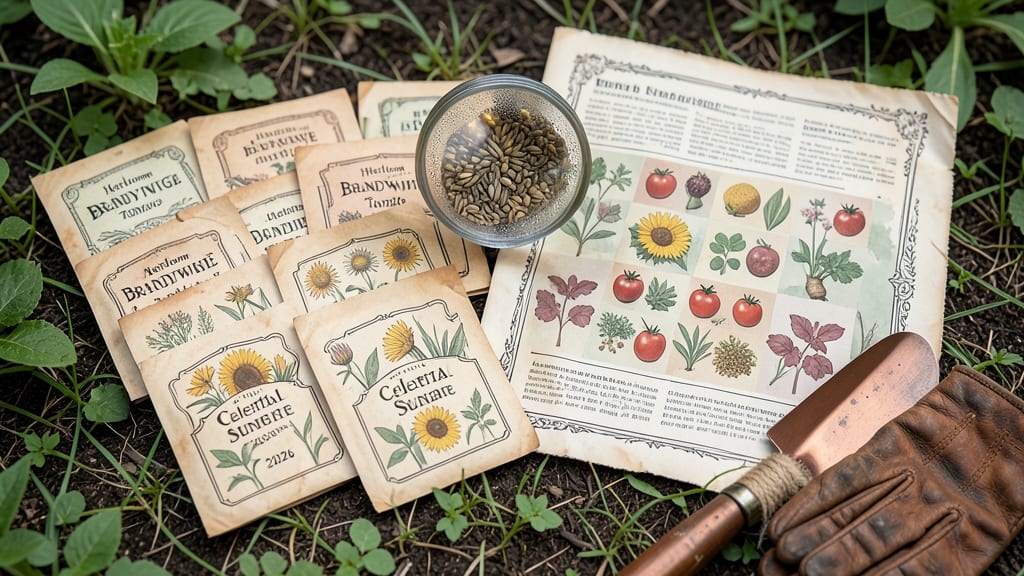
Your 2026 seed catalog just arrived—and it’s packed with varieties you won’t find anywhere else. 🌱 The best gardeners start planning now, not in spring.
These catalogs aren’t just wish lists; they’re roadmaps to a harvest you’ll actually eat, with heirloom tomatoes, disease-resistant greens, and flowers that attract pollinators like magnets. Flip through the pages and you’ll notice two things: first, the exclusive varieties—like purple okra or black Krim tomatoes—that make your neighbors jealous.
Second, the planting timelines tailored to your zone, so you’re not guessing when to start seeds indoors. I’ve used these same catalogs for years to avoid last-minute store-bought plants that underperform.
By the time spring rolls around, you’ll have your seeds ordered, a customized planting schedule, and a garden that thrives instead of struggles. The key is matching varieties to your climate and goals—whether that’s high-yield veggies, cut flowers, or drought-tolerant perennials that need less fuss.
Start now, and next summer, you’ll be the one everyone asks for seeds from. Here’s how to make the most of your catalog before the first frost.
📚 In This Guide
- What you need
- Instructions
- Tips and common mistakes
- Wrapping up and next steps
What you need
- ● 2026 Seed Catalog: The official guide (digital or printed) with exclusive varieties—1 copy (or digital access).
- ● Notebook or Digital Planner: For sketching layouts, tracking deadlines, and jotting notes—1 per gardener (or a tablet/phone app).
- ● Measuring Tape: 25-foot for accurate garden bed dimensions.
- ● Graph Paper or Garden Planning Software: To scale designs (e.g., Garden Planner apps or 1 pad of ¼-inch graph paper).
- ● Permanent Markers: 2 colors (e.g., black for labels, red for irrigation paths).
- ● Gloves & Knee Pads: 1 pair each for comfort during planning sessions.
- ● Soil Test Kit: To analyze your garden’s needs before ordering seeds (1 kit).
- ● Seed Envelopes or Seedling Trays: 50+ envelopes or 10–20-cell trays for starter seeds.
- ● Garden Journal: For logging plant performance, weather notes, and 2026 variety reviews.
- ● Sunlight/Shade Map: Printable or DIY to overlay on your garden plan.
- ● Seedling Heat Mat: For early starts (1–2 mats, 10"x20" size).
- ● Compost Bin: To prep soil before planting (1 bin, 3–5 cubic feet).
- ● Irrigation Timer: Saves time and ensures consistency (1 timer with 6–12 zones).
- ● Child/Family Involvement Kit: Colored pencils, stickers, and a "Junior Gardener" badge for hands-on planning fun!
How to plan your garden using the 2026 seed catalog
Here's how I turn seed catalogs into a thriving garden plan—step by step.
📖 Step 1: Review and Highlight Your Top Varieties
Start by scanning the 2026 seed catalog for varieties that match your climate and growing goals. I focus on 4-6 plants per category (vegetables, herbs, flowers) to keep things manageable. Pay attention to the days to maturity listed—this determines when to plant and harvest.
Highlight or mark each variety with a small sticker noting its sunlight needs and spacing requirements. For example, tomatoes labeled "full sun" and "18-24 inches apart" get a yellow dot, while shade-tolerant herbs get a green one. This visual system saves time later when arranging your garden layout.
📅 Step 2: Map Out Planting Dates by Hardiness Zone
Use the catalog’s built-in planting calendar or a free online tool to determine your last frost date and first frost date. Most catalogs include a zone map—circle your zone to find the recommended planting windows for each variety. For instance, cool-season crops like lettuce should go in 4-6 weeks before your last frost, while warm-season tomatoes need to wait until after that date.
I jot down these dates in a small notebook next to each variety. This prevents last-minute planting mistakes, like putting out frost-sensitive seedlings too early. Pro tip: Write the earliest and latest planting dates for each crop—some varieties, like beans, can handle multiple plantings throughout the season.
🌱 Step 3: Sketch Your Garden Layout with Spacing in Mind
Grab a graph paper or use a free garden planning app to sketch your garden beds. Draw your existing structures (fences, trellises, or raised beds) first, then place your tallest plants (like corn or sunflowers) on the north side of the bed to avoid shading shorter crops. I like to use colored pencils—red for tomatoes, blue for herbs, and green for leafy greens—to visualize the layout.
Refer back to the catalog’s spacing guidelines for each variety. For example, if the catalog says "plant basil 12-18 inches apart," I draw small circles that size apart on my sketch. This ensures your plants have room to grow without competing for nutrients or light. Don’t forget to include pathways between beds for easy access!
✂️ Step 4: Plan for Companion Planting and Succession
Look for companion planting tips in the catalog’s variety descriptions. For example, the catalog might note that marigolds repel pests from tomatoes or that basil improves the flavor of nearby peppers. I circle these pairings and group them in my sketch. This natural pest control saves time and effort later in the season.
Also, plan for succession planting by noting which crops have a short harvest window (like radishes or lettuce) and which can be replanted in the same spot (like beans or zucchini). For instance, if the catalog says a variety of lettuce matures in 30 days, I’ll schedule a second planting 4-6 weeks later to keep a steady harvest.
📝 Step 5: Create a Planting and Maintenance Schedule
Transfer your highlighted varieties, planting dates, and spacing notes into a master calendar. I use a large wall calendar and assign each variety a color-coded row. For example, March 15: Plant lettuce and peas gets a green marker, while May 1: Transplant tomatoes gets a red one. Include key maintenance tasks like fertilizing, pruning, and pest checks alongside the planting dates.
Add reminders for tasks like hardening off seedlings (usually 7-10 days before transplanting) or mulching to retain moisture. This schedule keeps you on track and ensures no step is overlooked. I also leave space to jot down notes after each season—like which varieties thrived or struggled—so I can refine my plan for next year.
Tips & tricks for perfect garden planning with the 2026 seed catalog
These practical strategies will help you transform your seed catalog into a foolproof garden plan that actually works.
Visual Organization: I can't stress enough how much time this saves! Use different colored sticky notes for each category—red for vegetables, green for herbs, and blue for flowers. This color-coding system makes it easy to spot companion planting opportunities at a glance. For example, you'll immediately see which herbs pair well with your tomatoes just by looking at the colors next to each other.
Catalog Cross-Referencing: Most 2026 seed catalogs include companion planting charts in the back. I always flip to these pages after highlighting my varieties to see which plants naturally work together. For instance, if you've selected 'Sungold' tomatoes, you'll find they pair beautifully with basil and marigolds. This step prevents those "why isn't my garden thriving?" moments later in the season.
Digital Backup Strategy: While sketching on paper works, I recommend creating a digital backup of your plan using free apps like Planter or GrowVeg. These tools let you save your layout and adjust it as you go. I take photos of my hand-drawn sketches and upload them to the app, then make digital notes about spacing adjustments or companion pairings I discover later in the season.
Pro Tips for 2026 Seed Catalog
- These practical strategies will help you transform your seed catalog into a foolproof garden plan that actually works.
- Visual Organization: I can't stress enough how much time this saves!
- Catalog Cross-Referencing: Most 2026 seed catalogs include companion planting charts in the back.
Frequently asked questions
Got questions about planning ahead for your 2026 seed catalog? You’re not alone! Here are answers to the most common queries to help you prep like a pro:
When should I start ordering seeds for 2026?
Most seed companies release their 2026 catalogs in early 2025—typically between January and March. Early birds often get first dibs on rare varieties, so mark your calendar! If you’re impatient, check last year’s catalog for trends or pre-order from trusted suppliers like Baker Creek Heirloom Seeds or Seed Savers Exchange, which sometimes offer early access.
Can I still get seeds if I miss the early release?
Even if you miss the initial drop, most seed companies restock throughout the year. Pro tip: Sign up for their newsletters—many offer exclusive discounts or limited-edition seeds to subscribers. For heirloom or organic seeds, smaller vendors may sell out faster, so act quickly if you spot a favorite!
Are there affordable alternatives to buying a full catalog?
Yes! Instead of a bulk purchase, try these cost-saving strategies:
- Buy single packets of your top picks from retailers like Burpee or Johnny’s Selected Seeds.
- Join seed swaps (online or local) for free or low-cost varieties.
- Save seeds from this year’s harvest—many veggies and flowers self-seed easily!
How do I know which seeds will thrive in my climate?
Check the USDA Plant Hardiness Zone Map (or your local equivalent) and look for seeds labeled with your zone. Most catalogs include growing region recommendations—filter by “heat-tolerant,” “drought-resistant,” or “short-season” if needed. For extra peace of mind, ask fellow gardeners in local Facebook groups or forums like GardenWeb for regional tips!
What if my seed order arrives late or gets damaged?
Reputable seed companies usually offer replacements or refunds for late/damaged orders. Always check their shipping policies before buying. For added security:
- Order from multiple suppliers to hedge your bets.
- Store seeds in a cool, dry place until planting (a sealed container with silica gel works great!).
- Take photos of damaged packages—you’ll need them for claims.
Wrapping up and next steps
The 2026 seed catalog isn’t just a preview—it’s your gateway to next year’s garden dreams. From rare heirlooms to drought-resistant wonders, these exclusive varieties promise a harvest that’s as rewarding as it is beautiful.
Whether you’re a seasoned green thumb or a curious beginner, now’s the time to plan, save, and imagine.
🌱 Your next step? Bookmark this catalog, jot down your top picks, and start researching soil prep or companion planting. Before you know it, you’ll be digging in—ready to grow something extraordinary! 🌿