
Propagation
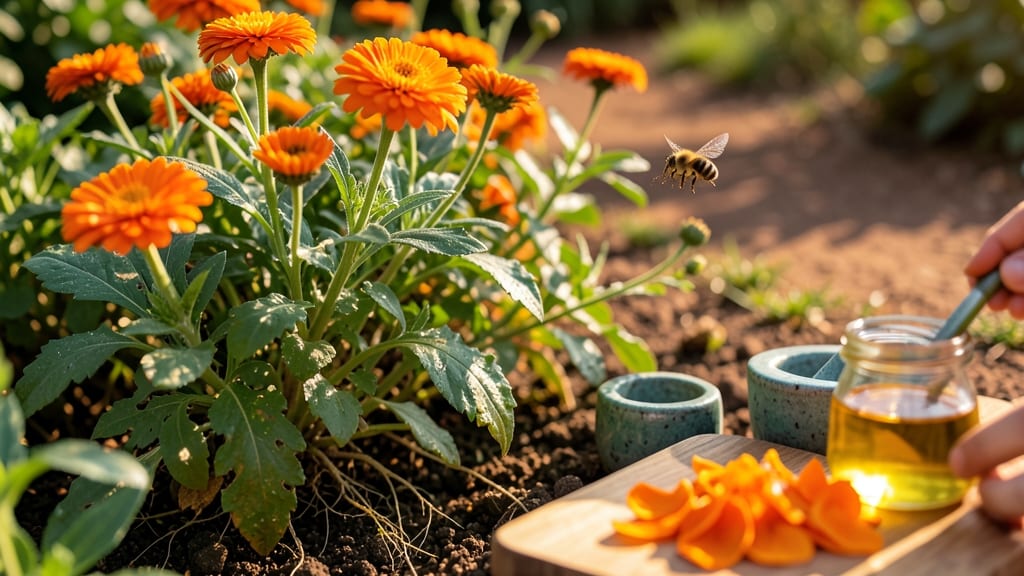
Want to create a thriving ecosystem for bees? These 10 wildflower seeds attract pollinators year-round, support local biodiversity, and require minimal garden space—ideal for urban balconies or sprawling meadows alike.
Lavender Bee Balm for Long Blooming Seasons
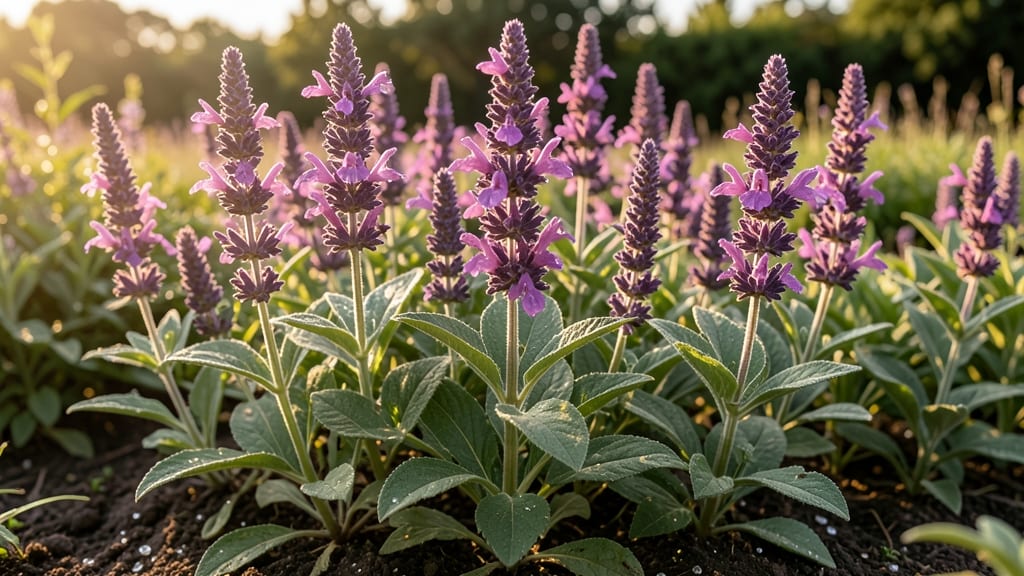
Tired of flowers that fade fast? Lavender bee balm (Monarda didyma) is the longest-blooming pollinator magnet in your garden, bursting with purple-pink blooms from June straight through to frost. This isn’t just a pretty face—it’s a drought-resistant superstar that thrives in full sun to partial shade, making it perfect for forgetful gardeners or water-conscious spaces.
Bees and hummingbirds will flock to its tubular flowers, while its mint-family scent naturally deters pests like mosquitoes and deer. Deadhead spent blooms to encourage more flowers, and watch your garden become a year-round buffet for pollinators. Bonus: It self-seeds lightly, so you’ll get free plants for years to come!
This is the easiest perennial for beginners who want low-maintenance beauty with high impact. Plant it in borders, containers, or even rocky slopes—it’s tough enough to handle whatever your garden throws at it. 🌿
Black-Eyed Susan for Early Season Pollinators
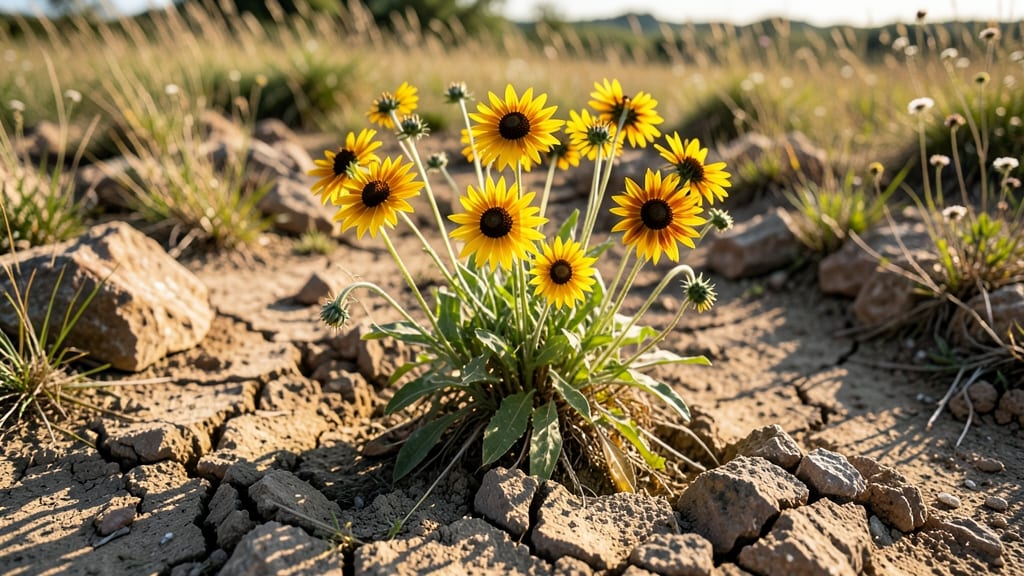
If your garden soil is more "challenging" than a gourmet chef’s kitchen, Black-Eyed Susan (Rudbeckia hirta) is your secret weapon. This native annual thrives in poor, rocky, or sandy soil where many plants would struggle, making it ideal for wildflower meadows or neglected patches.
Plant seeds in early spring or fall for spring blooms that continue until frost, offering continuous nectar for early bees emerging from hibernation. Its golden-yellow petals with dark centers are irresistible to pollinators, and it self-seeds reliably, creating naturalized patches over time. Deadhead spent blooms to encourage more flowers and deter weeds.
Perfect for beginner gardeners or those restoring degraded land, Black-Eyed Susan adds year-round color while supporting local ecosystems. 🌻
Borage Flowers for Heavy Nectar Production
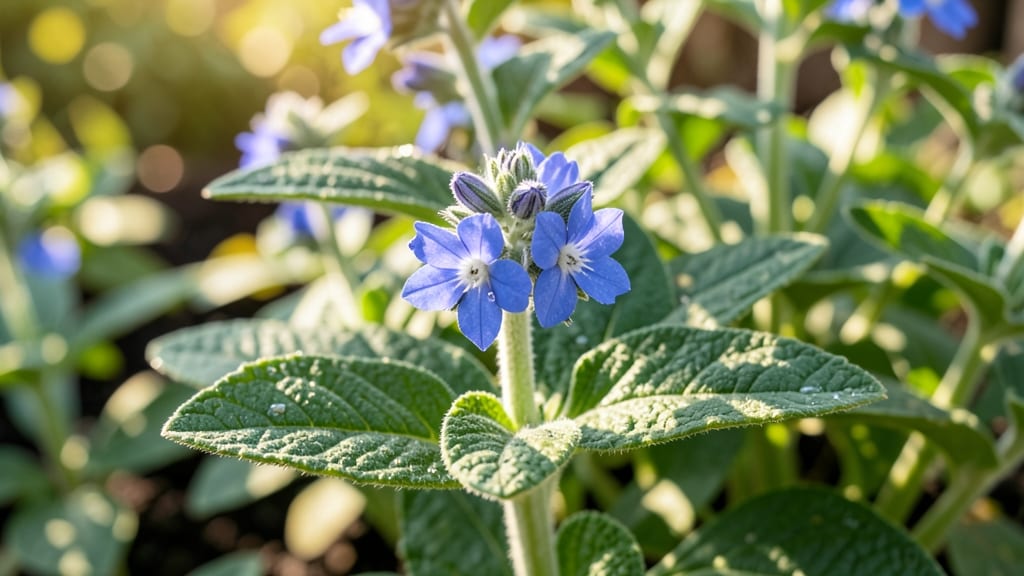
Looking for a bee magnet that doubles as a kitchen-friendly herb? Borage delivers with its striking star-shaped blue flowers packed with nectar, making it a top choice for pollinators while adding edible leaves and flowers to your meals.
This hardy annual thrives in full sun to partial shade and produces blooms from early summer until frost, ensuring bees have a reliable food source. Its self-seeding nature means you’ll get more plants each year with minimal effort—perfect for containers, herb spirals, or edible landscapes. The cucumber-like flavor of its leaves and flowers makes it a unique culinary addition too.
Urban gardeners and small-space growers will love how borage fits into tight spots while still attracting butterflies and beneficial insects. Just be prepared for its vigorous growth—it can spread quickly, making it ideal for filling gaps or creating living mulch. 🌻
Coneflower for Late Summer Bee Foraging
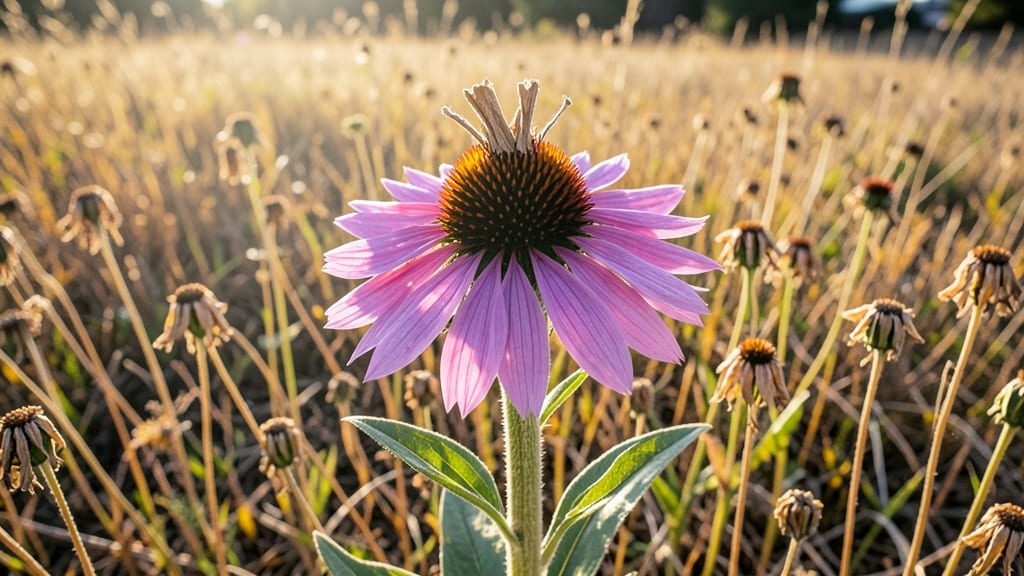
When summer heat causes most flowers to wilt, coneflower steps up as a heat-loving hero for bees. This drought-tolerant perennial produces striking pink-purple blooms from mid-summer through frost, offering bees a critical late-season food source when other flowers have faded.
Plant Echinacea purpurea in full sun with well-drained soil, and it’ll reward you with year-round pollinator support. Deadhead spent blooms to encourage more flowers, and watch as bees, butterflies, and even hummingbirds flock to your garden. Its deep roots also help prevent soil erosion.
Perfect for beginner gardeners and pollinator enthusiasts, coneflower thrives with minimal care while adding bold color to borders or meadows. 🌻
Clover Mix for Ground-Covering Pollinator Support
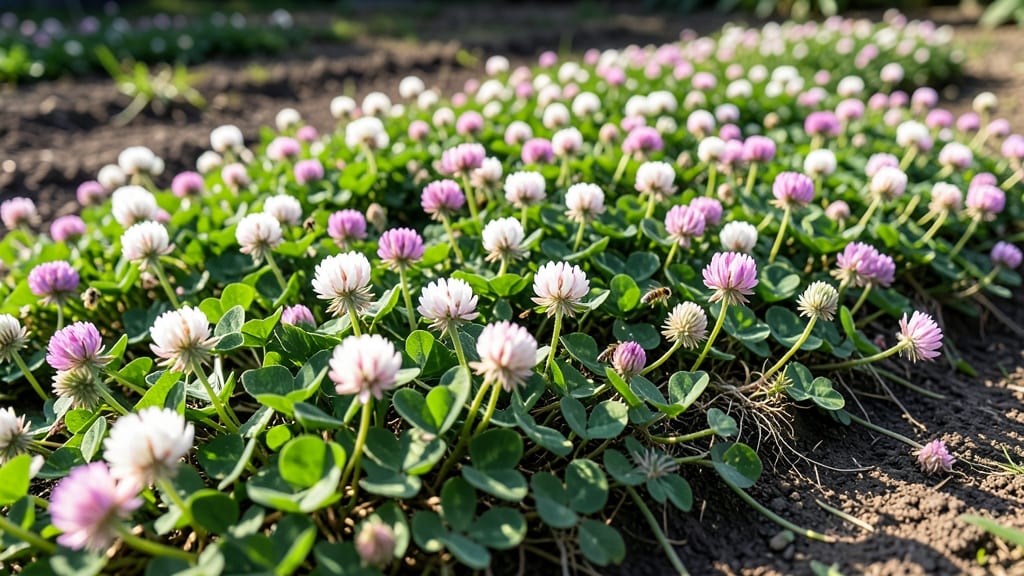
Tired of mowing a lawn that does nothing for pollinators? A clover mix transforms bare soil into a buzzing, bee-friendly mat that thrives where grass struggles. Unlike annual wildflowers, clover spreads aggressively yet naturally, creating a lush, low-maintenance ground cover that blooms from spring until frost—giving bees a steady food source all season.
This hardy perennial thrives in full sun to partial shade and tolerates poor soil, making it perfect for lawn alternatives, slopes, or between stepping stones. Its tiny white or pink flowers are a magnet for leaf-cutting bees, which nest in the stems, while its deep roots prevent erosion. Simply scatter seeds in early spring or fall, water lightly, and let nature do the rest—no tilling required.
Urban gardeners and eco-conscious homeowners will love clover’s ability to crowd out weeds while supporting pollinators. It’s the ultimate zero-effort solution for turning dull patches into thriving ecosystems. 🌿
Milkweed for Monarch Butterflies and Bees
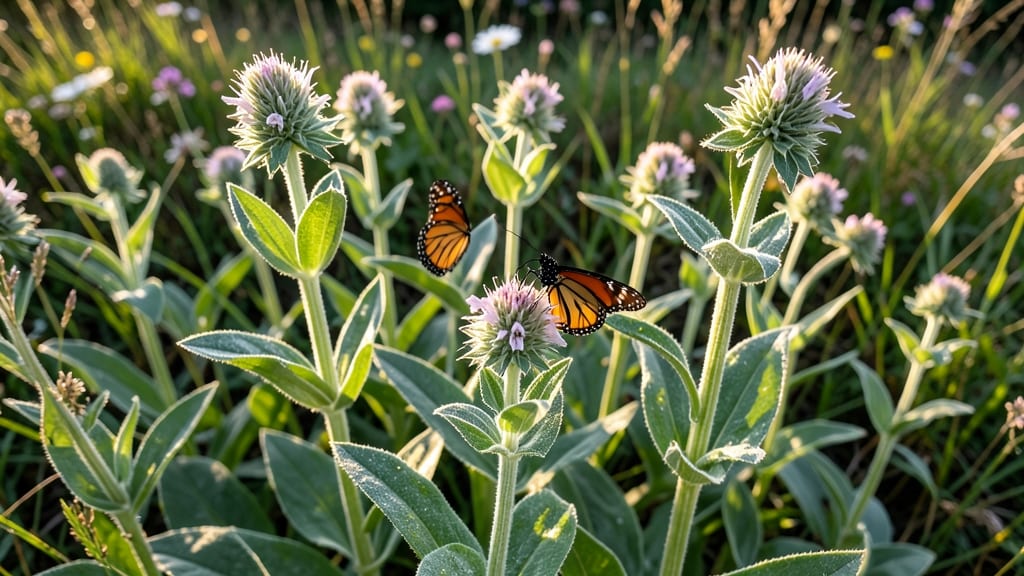
If you’ve ever watched monarch butterflies flutter through your garden, you know they’re drawn to one plant above all others: milkweed. This isn’t just a butterfly magnet—it’s a powerhouse for native bees too, offering nectar from early spring to late fall while its thick, sap-filled leaves deter pests like aphids and deer.
Plant butterfly milkweed (Asclepias tuberosa) or common milkweed (Asclepias syriaca) in full sun to partial shade, where their tall, spiky blooms will thrive. The key is to let the seed pods mature and reseed naturally—monarchs rely on fresh milkweed for their larvae, and bees adore its high-sugar nectar. For best results, group plants in clusters of 3-5 to create a visible "waystation" for migrating monarchs.
This is the one wildflower that makes conservationists cheer—ideal for urban gardens, roadside plantings, or native meadows. By adding milkweed, you’re not just feeding pollinators; you’re helping save an entire species. 🌱
Yarrow for Drought-Tolerant Pollinator Gardens
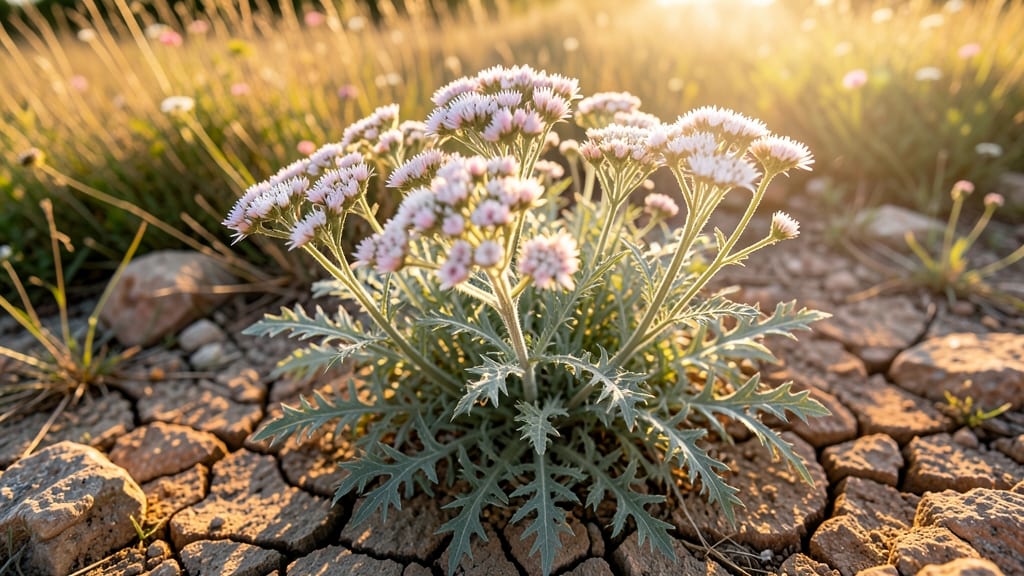
If your garden struggles with dry spells but you still want to support buzzing pollinators, yarrow is your secret weapon. This drought-tolerant perennial thrives in poor, rocky soil where most plants would wilt—yet it produces cheerful flat-topped clusters of white to pink flowers that bees can’t resist.
Yarrow’s fern-like foliage stays lush even in heatwaves, and its continuous blooms from early summer through fall provide a reliable nectar source. Plant it in full sun for best results, and watch as diverse bee species—including mason bees and bumblebees—flock to its abundant flowers. It’s also deer-resistant, making it ideal for rural or suburban gardens alike.
Perfect for low-maintenance pollinator gardens, yarrow’s hardiness means you’ll spend less time watering and more time enjoying thriving plants. 🌻
Goldenrod for Late Season Bee Nectar
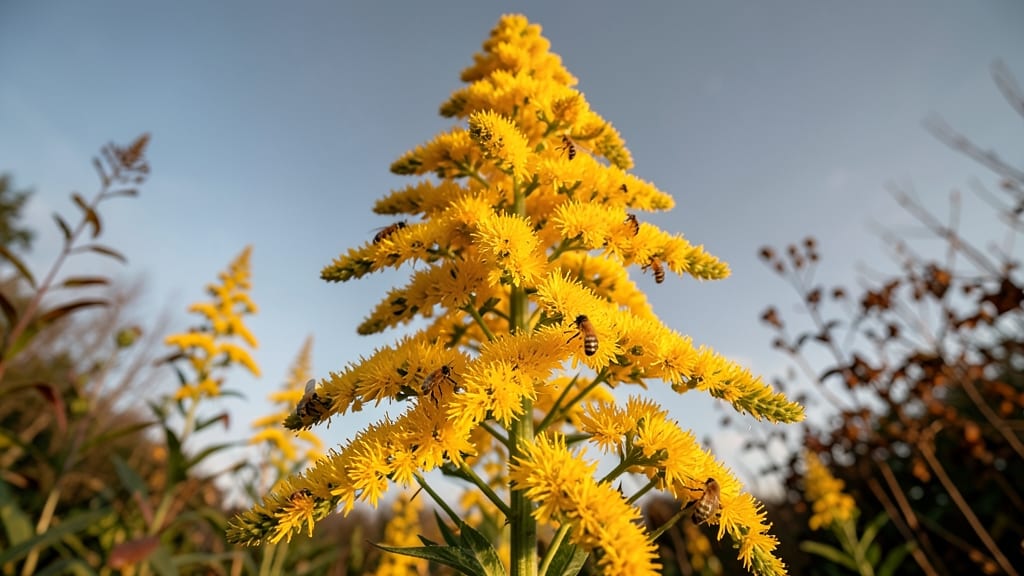
Don’t let the name fool you—goldenrod isn’t the allergen villain you think it is. This cheerful late-season superstar bursts into bright yellow plumes just as other flowers fade, offering bees their last banquet before winter. Its dense clusters produce nectar-rich blooms from August through October, when few alternatives remain.
Perfect for wildflower borders, goldenrod thrives in full sun and tolerates poor soil, making it ideal for low-maintenance meadows. Deadhead spent blooms to encourage more flowers, and leave the seed heads for winter interest. This hardy perennial spreads easily, creating a golden carpet that bees will thank you for.
Urban gardeners and native plant enthusiasts will love how goldenrod fills the gap between summer and fall blooms. Plant it near coneflowers or asters for a continuous pollinator buffet all season long. 🌻
Asters for Fall Pollinator Support
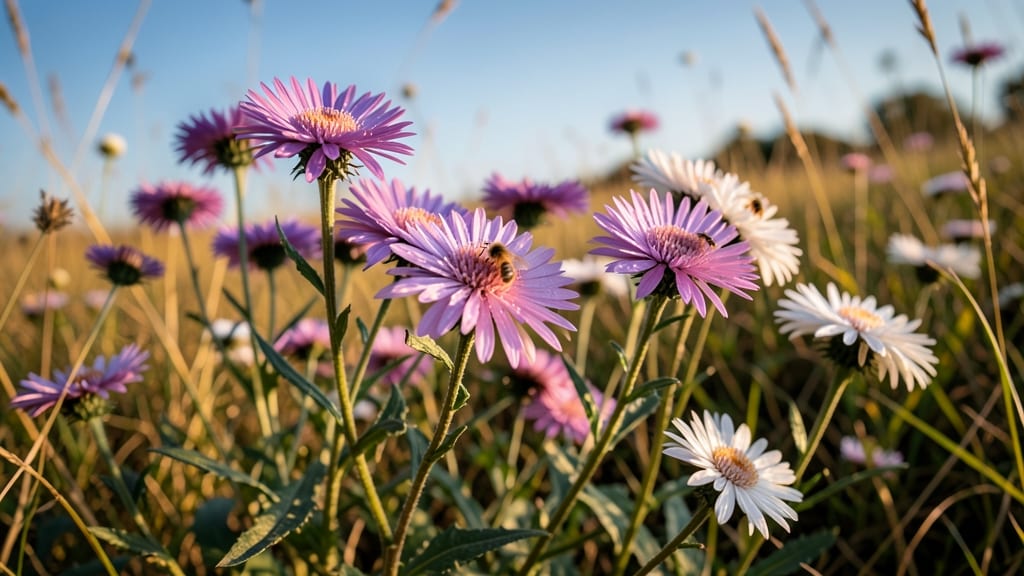
When summer blooms begin to fade, asters step in as the unsung heroes of the fall garden, offering bees their final feast before winter. These native perennials thrive in cooler temperatures, producing cheerful daisy-like flowers in shades of purple, pink, and white that bees can't resist.
Plant asters in full sun to partial shade, and they’ll reward you with blooms from late summer through frost. Deadhead spent flowers to encourage more blooms, and they’ll return year after year with minimal care. Their deep roots also help prevent soil erosion, making them a practical choice for slopes or borders.
Perfect for gardeners who want to extend the pollinator season, asters are especially valuable in regions where other flowers have stopped blooming. Add them to your fall planting plan for a garden that stays buzzing with activity long after summer’s end. 🌻
Calendula for Edible Bee-Friendly Flowers

Looking for a bee-magnet that doubles as a kitchen-friendly herb? Calendula delivers bright orange blooms packed with nectar while offering medicinal properties—think salves and teas. Its cheerful flowers never stop attracting pollinators, making it a must-have for both the garden and the apothecary.
Sow seeds directly after the last frost in full sun to partial shade, spacing them 12 inches apart. This cut-and-come-again annual thrives in containers or beds, producing nonstop blooms from early summer until frost. Pinch back spent flowers to encourage bushier growth and more nectar-rich blooms.
Urban gardeners and herbalists will love how calendula fits into small spaces while providing both beauty and utility. Plus, its pest-repelling qualities make it a natural companion plant for your veggie patch. 🌻