
Propagation
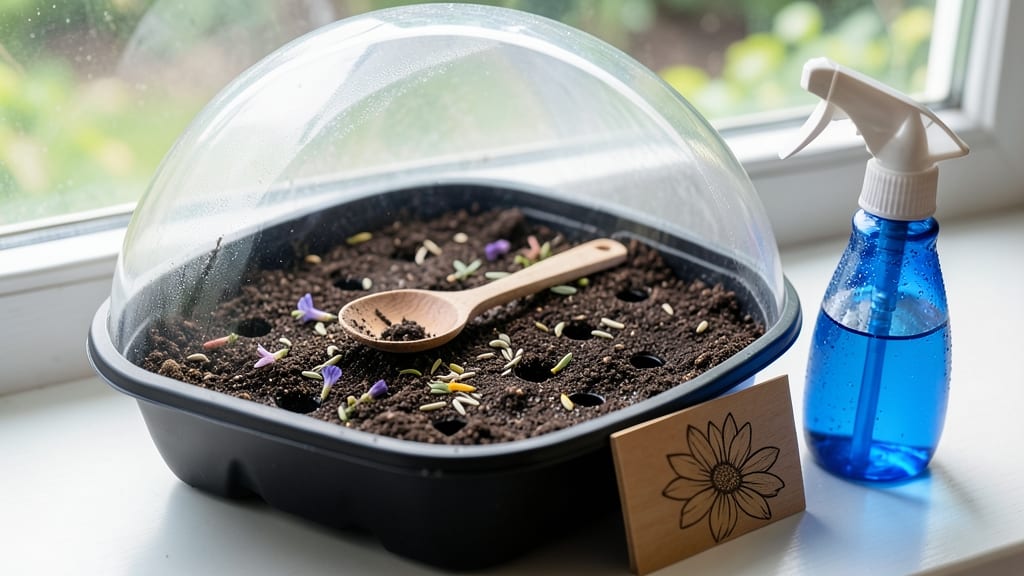
Wildflower seed germination time can vary wildly—from as little as 7 days to as long as 30 days—depending on the species and growing conditions. 🌱 I’ve learned the hard way that patience is key, but the right timing and prep can cut that wait dramatically.
Some varieties, like cosmos or zinnias, pop up fast with minimal fuss, while native wildflowers often need a little extra coaxing to break dormancy.
The secret to fast germination lies in two things: soil temperature and moisture. Most wildflowers need soil between 60–75°F to sprout—warmer than you’d think for spring planting. A light misting twice daily keeps seeds from drying out, but avoid soggy soil.
If your climate is cool, try cold stratification (chilling seeds in damp paper towels for 2–4 weeks) to mimic winter conditions and trigger faster growth.
By planting in early spring (just as soil warms), you’ll see those first green shoots appear in 2–4 weeks for quick-blooming varieties, setting the stage for summer-long color. The payoff? A meadow that fills in faster than you’d expect, with fewer gaps where weeds can sneak in.
Just don’t rush—some wildflowers, like milkweed, take their time but reward you with bold, reliable blooms.
Works for both container gardens and large meadows—just adjust watering to your space. The key is consistency: keep soil moist but not waterlogged, and watch for those first tiny leaves.
Once they emerge, thin seedlings to give them room to grow into strong, vibrant plants. Here’s to a fast, foolproof start!
📚 In This Guide
- What you need
- Instructions
- Tips and common mistakes
- Wrapping up and next steps
What you need
- ● Wildflower seeds: Choose native or heirloom varieties (e.g., cosmos, black-eyed Susan, or poppies). Aim for 1–2 lbs per 100 sq. ft. of planting area.
- ● Seed-starting mix: Lightweight, sterile potting soil (avoid garden soil—it’s too dense!). A 10–20 lb bag covers small batches.
- ● Containers: Seed trays (with drainage holes) or small pots (3–4" deep).
- ○ Biodegradable peat pots (optional but eco-friendly!).
- ● Watering can or spray bottle: A fine-mist nozzle keeps seeds from washing away.
- ● Grow lights or sunny windowsill: Seeds need 12–16 hours of light daily. A 2–3 ft LED grow light works wonders.
- ● Plastic wrap or humidity dome: A clear lid or cling film traps moisture for faster germination.
- ○ Thermometer (optional but helpful): Monitor soil temps—most wildflower seeds thrive at 60–75°F (15–24°C).
- ● Seedling heat mat: Speeds up germination for slow starters (e.g., 70–80°F for delicate varieties).
- ● Fertilizer (low-dose): A balanced 10-10-10 or fish emulsion (diluted!) after sprouts emerge.
- ● Label markers: Track seed types and planting dates—trust us, it’s a lifesaver!
- ● Outdoor hardening tray: Gradually acclimate seedlings to outdoor conditions before transplanting.
How to speed up wildflower seed germination for spring blooms
Here's how I've learned to coax wildflower seeds into sprouting faster—with fewer surprises along the way.
🌱 Step 1: Stratify Seeds to Break Dormancy
Most wildflower seeds need a cold period to mimic winter before they'll germinate. Place seeds in a sealed plastic bag with a damp paper towel, then refrigerate for 2-4 weeks. Check weekly—they're ready when the towel feels moist but not soggy. This cold treatment tricks seeds into thinking winter's passed, so they'll burst into action when spring arrives.
I know it seems counterintuitive to refrigerate seeds, but this step is non-negotiable for many wildflower varieties. Without it, you might wait months for germination—or never see sprouts at all. For seeds that need longer stratification (6+ weeks), like some prairie wildflowers, I use a freezer instead of the fridge.
☀️ Step 2: Choose the Right Germination Light and Temperature
Wildflower seeds sprout best in 65-75°F soil with bright, indirect light. I use a seedling heat mat set to 70°F under fluorescent grow lights positioned 2-3 inches above the tray. Too much direct light can dry seeds out before they sprout, while too little causes leggy, weak seedlings.
Watch for condensation on the lid—if it's foggy, your humidity is perfect. If it stays clear, lightly mist the soil until you see droplets form. The goal is to keep seeds consistently moist without waterlogging them. Most wildflowers will sprout within 7-21 days after stratification, depending on the species.
💧 Step 3: Use the Right Soil and Moisture Balance
Fill your seed-starting tray with a lightweight, sterile seed-starting mix—never garden soil, which can harbor diseases. Press the mix down gently so it's firm but not compacted, then scatter seeds evenly. Cover them with just enough mix to hide them (usually 1/8 inch deep), since most wildflower seeds need darkness to germinate.
Mist the soil until it's damp but not wet, then cover the tray with a clear plastic dome or plastic wrap. This traps warmth and humidity, which speeds up germination. I check daily and remove the cover for 10 minutes to prevent mold—just enough to let fresh air circulate without drying the soil.
⏰ Step 4: Monitor for Sprouts and Adjust Care
Once seeds sprout, remove the cover immediately to prevent damping-off disease. You'll see tiny leaves (cotyledons) appear first—this is your signal to move seedlings to a brighter spot. Wildflowers grow quickly once they start, so keep the soil consistently moist but never soggy. Overwatering is the #1 killer of young seedlings.
Thin seedlings to 2-3 inches apart once they have their first true leaves (the second set after cotyledons). This prevents overcrowding and gives each plant room to grow. If germination is slow, don't panic—some wildflowers, like black-eyed Susans, can take 30 days or more to sprout, especially in cooler conditions.
🌿 Step 5: Harden Off Before Transplanting
Two weeks before your last frost date, start hardening off seedlings by placing them outside in a sheltered spot for 1-2 hours daily. Gradually increase their outdoor time over 7-10 days until they can handle full sun. Wildflowers are tough, but sudden temperature swings can shock them, so take it slow.
Transplant seedlings on a cloudy day or in the late afternoon to reduce stress. Dig holes slightly deeper than the seedling's root ball and water deeply after planting. Most wildflowers establish quickly once in the ground, but keep soil moist for the first 2 weeks to help roots spread. You'll see blooms in as little as 8-12 weeks for fast growers like cosmos, or up to a year for perennials like coneflowers.
Tips & tricks for faster wildflower germination
These game-changing strategies will help you bypass the usual delays and get those delicate sprouts popping up in record time.
Stratification Hack: For seeds requiring 6+ weeks of stratification, I've found that placing the sealed bag in the freezer's coldest compartment (usually the back) mimics natural winter conditions more effectively than the fridge. The extreme cold breaks dormancy faster—just check weekly to ensure the paper towel stays damp but not dripping. If condensation forms on the bag, give it a quick shake to redistribute moisture evenly.
Lighting Solution: If you don't have fluorescent grow lights, a simple household LED bulb (6000K color temperature) works surprisingly well when positioned 2-3 inches above the tray. The key is maintaining that 65-75°F soil temperature—use a small thermometer to monitor. I've seen germination rates double when seeds stay within this ideal range consistently, especially for slower species like black-eyed Susans.
Moisture Management: The 10-minute daily ventilation is critical for preventing mold while maintaining humidity. I use a spray bottle with a fine mist setting to add moisture only when the soil surface feels dry to the touch. A quick trick: place a small bowl of water near the tray—the evaporation creates natural humidity without overwatering. This balance is what keeps seeds from either drying out or developing fungal issues.
Species-Specific Timing: Fast growers like cosmos typically sprout within 7-14 days after stratification, while perennials may take 21-30 days. I keep a germination tracker by marking the tray with the seed type and date—this helps me adjust expectations. For particularly slow varieties, I've found that gently pressing a toothpick into the soil near seeds can create tiny air pockets that sometimes trigger sprouting 3-5 days earlier.
Pro Tips for Wildflower Seed Germination Time
- These game-changing strategies will help you bypass the usual delays and get those delicate sprouts popping up in record time.
- The extreme cold breaks dormancy faster—just check weekly to ensure the paper towel stays damp but not dripping.
- Lighting Solution: If you don't have fluorescent grow lights, a simple household LED bulb (6000K color temperature) works surprisingly well when positioned 2-3 inches above the tray.
Frequently asked questions
Got questions about getting your wildflower seeds to sprout like a pro? Here are some of the most common concerns—and their answers—to help you avoid pitfalls and maximize your success!
How long does it really take for wildflower seeds to germinate?
Germination times vary wildly by species! Fast growers like California poppies (10–14 days) and sweet alyssum (5–10 days) sprout quickly, while native prairie wildflowers (e.g., coneflowers or black-eyed Susans) can take 2–4 weeks or even longer. Always check the seed packet for specifics—some seeds need cold stratification (more on that below!) to break dormancy.
Do wildflower seeds need cold treatment (stratification) to germinate?
Many native wildflower seeds require a cold, moist period (stratification) to mimic winter conditions. For seeds needing this step, place them in a sealed bag with damp sand or peat moss, then refrigerate for 4–8 weeks before planting. Skip this for pre-stratified seeds or tropical varieties like zinnias.
What’s the best time to plant wildflower seeds for fastest germination?
Plant late summer to early fall (6–8 weeks before your first frost) for the fastest, most reliable germination. This gives seeds time to soak up moisture and start rooting before winter. If planting in spring, pre-soak seeds or use a seed starter mat to warm the soil and speed up sprouting.
Why aren’t my wildflower seeds sprouting? Troubleshooting tips!
Seeds might be stubborn for a few reasons:
- Too dry: Keep soil consistently moist (not soggy!) until germination. Use a spray bottle for delicate seeds.
- Too hot: Seeds need temps between 60–75°F. Avoid planting in scorching sun until roots establish.
- Old seeds: Most wildflower seeds stay viable for 1–3 years if stored dry and cool. Test a few in a damp paper towel to check viability.
- Poor soil contact: Press seeds lightly into soil—they need darkness to germinate!
Can I speed up germination with any tricks?
Yes! Try these pro tips:
- Pre-soak: Soak seeds overnight in lukewarm water for species like cosmos or sunflowers.
- Heat mat: Use a seedling heat mat (set to 70–75°F) to jumpstart slow starters.
- Light exposure: Some seeds (like phlox) need light to germinate—cover lightly with soil or use a clear lid.
- Transplant shock: If starting indoors, harden off seedlings gradually to avoid transplant shock.
Wrapping up and next steps
Growing wildflowers from seed is a rewarding journey, and understanding their germination time is your secret weapon for success! 🌱 Whether you’re planting fast-sprouting annuals like cosmos or patiently waiting for perennials like black-eyed Susans, the key is preparation—proper soil, moisture, and timing.
With the right knowledge, you’ll soon enjoy a vibrant tapestry of color and life in your garden.
Ready to take the next step? Start small—pick a few easy-to-grow wildflowers and experiment with different germination methods. Track your progress, adjust as needed, and soon, you’ll be sharing your blooming success with fellow gardeners! 🌸