
Advice
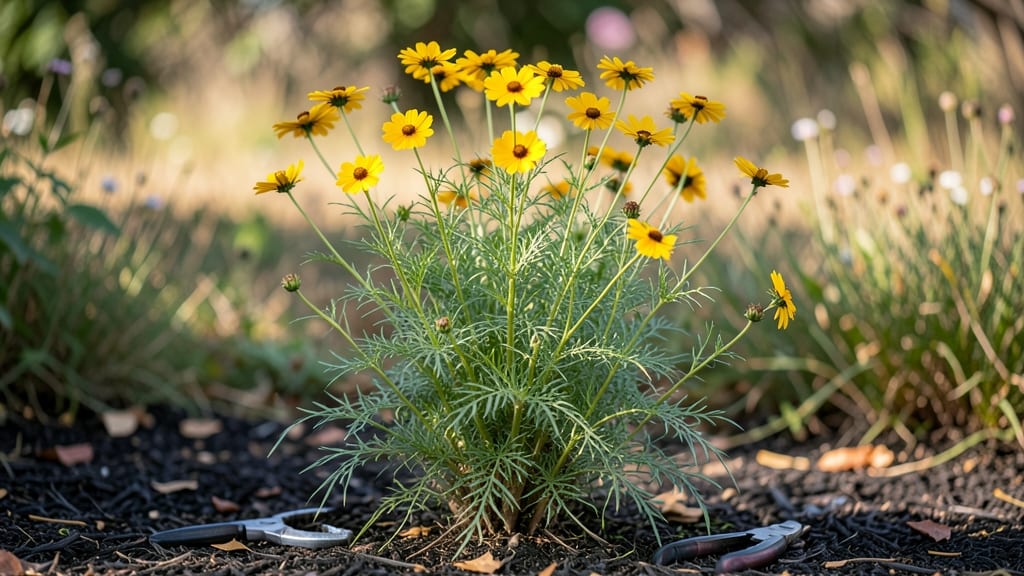
This unusual nickname comes from how the seeds' hard, segmented shells and dark markings create an uncanny resemblance to actual ticks. 🔥 The distinctive seed shape isn't just a quirky coincidence—it actually serves a functional purpose in nature.
These seed structures help with dispersal by catching onto animal fur or clothing, much like how ticks latch onto hosts. Gardeners often appreciate these plants not just for their striking seeds but also for their vibrant flowers and low-maintenance growing habits.
While the name might sound odd, it's a perfect example of how nature sometimes uses visual mimicry to describe plants. The seed's appearance isn't just about the name—it's also a key adaptation that helps these plants spread their seeds effectively in their natural habitats.
💡 In This Article
- Botanical Features That Trigger the Tickseed Name
- Common Tickseed Plants and Their Gardening Uses
Botanical features that trigger the tickseed name
The striking resemblance between tickseed plants and actual ticks begins with the seed's distinctive morphology. True ticks have a segmented body divided into two main parts—the larger, rounded abdomen and the smaller, oval-shaped head (or capitulum).
In tickseed plants, this segmentation is mirrored by the seed's hard, papery outer shell, which often appears divided into two distinct sections. The upper portion typically features a darker, textured pattern that mimics a tick's dorsal markings, while the lower section resembles the ventral side.
What makes this comparison even more fascinating is the seed's texture and attachment mechanism. Actual ticks have barbed legs that allow them to latch onto hosts, while tickseed plants develop tiny, hook-like structures called awns or barbs that emerge from the seed's edges.
These barbs can measure between 0.5-2 millimeters in length and create a rough, Velcro-like surface that helps seeds hitchhike on animals or clothing.
The seeds' dark brown or black coloring further enhances the visual similarity to ticks, as many species have contrasting patterns that make them stand out against lighter plant matter.
The seed's functional design extends beyond mere appearance. In nature, this morphology serves a crucial purpose: epizoochory, or seed dispersal via animal fur. When seeds attach to passing creatures, they get transported to new locations where they can germinate.
This adaptation is particularly effective in grasslands and open habitats where tickseed plants commonly grow. The hard, segmented shell also protects the seed's delicate interior from environmental damage during transit, ensuring higher survival rates.
Botanists note that this visual mimicry isn't perfect—tickseed seeds lack the complex sensory organs and mouthparts of real ticks—but the superficial resemblance is striking enough to earn the plant its unusual common name.
The most convincing examples come from the Coreopsis genus, where seeds often display three distinct "segments" that closely resemble a tick's body parts when viewed under magnification. 🔥 This evolutionary quirk demonstrates how nature sometimes uses visual cues to create memorable plant characteristics that stick with gardeners and scientists alike.
Interestingly, the seed's resemblance to ticks isn't just a matter of chance—it's part of a broader pattern in plant morphology where seeds develop structures that mimic animals or insects. This phenomenon, called mimicry, often serves practical purposes in nature, whether for dispersal, protection, or attracting pollinators.
In the case of tickseed, the visual similarity likely evolved as a secondary benefit of the seed's dispersal mechanism, creating a double advantage for the plant's survival.
For those curious about the science behind this, plant anatomists study these features using scanning electron microscopes to examine the microscopic details of the seed surface.
What they find is a fascinating interplay between form and function: the segmented appearance isn't just for show—it's a carefully evolved structure that maximizes both visual impact and practical utility in the plant's life cycle.
Understanding these botanical features helps explain why the name "tickseed" has persisted for centuries. The combination of visual similarity, functional design, and ecological advantages makes this one of nature's more intriguing examples of how plants develop characteristics that capture human imagination while serving vital biological purposes. 💫