
Container Gardens
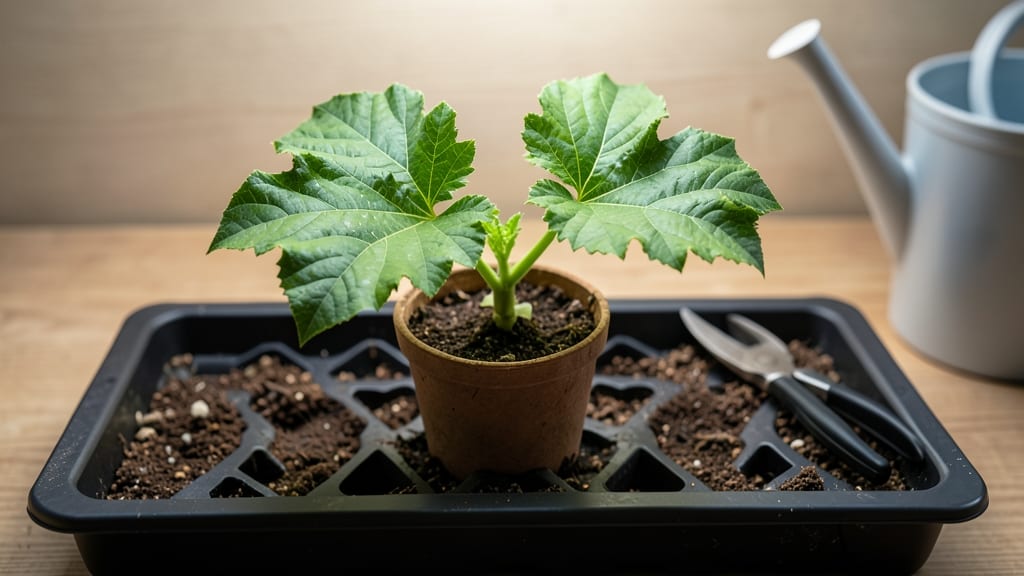
To start butternut squash seeds indoors, aim for 4-6 weeks before your last frost date—this timing ensures sturdy seedlings ready for transplanting when soil warms.
Timing your butternut squash seeds indoors can mean the difference between a bountiful harvest and a disappointing failure—especially when frost threatens your tender seedlings. In USDA Zone 6a, that window typically lands in March or early April, but colder zones need an earlier start.
Why does this matter? Butternut squash 🎃 thrives with 80-100 days to maturity, so rushing or delaying your start can leave you with vines but no fruit. Too early, and seedlings get leggy; too late, and frost catches them before they harden.
Below, I’ll break down the exact weeks before last frost for your zone, plus how to nail germination with the right warmth and light—so you skip the guesswork and get a garden full of sweet, nutty squash by fall.
Zone-specific weeks before last frost to start butternut squash seeds indoors
Timing your butternut squash seeds indoors is all about matching your local frost dates with the plant's maturity timeline. Butternut squash needs 80-120 days to reach harvest, so starting too early or late can ruin your chances.
The key is understanding your USDA zone and adjusting your seed-starting schedule accordingly.
For most gardeners, starting 4-6 weeks before the last expected frost date ensures your seedlings are strong enough to handle transplanting. However, cooler zones like USDA Zone 3 require an earlier start, while warmer zones like Zone 10 can wait until later.
Let’s break it down by zone so you can plan with confidence.
Why timing matters: Seedlings need 4-6 weeks indoors before transplanting, but they also need warm soil (70°F+) and frost-free conditions to thrive. Starting too early risks leggy, weak seedlings, while starting too late means your plants won’t mature before frost.
Pro tip: Use a seedling heat mat if your home stays below 65°F—butternut squash seeds germinate best at 70-90°F. Pair this with a grow light to prevent stretching, and you’ll have robust seedlings ready for the garden.
| USDA Zone | Last Frost Date | Weeks Before Frost to Start | Transplant Window | Notes |
|---|---|---|---|---|
| Zone 3 | Mid-May | 7-8 weeks | Late May - Early June | Use heat mat; extend season with row covers. |
| Zone 4 | Late April - Early May | 6-7 weeks | Early to Mid-May | Harden off seedlings early; soil may stay cold. |
| Zone 5 | Mid-April - Early May | 5-6 weeks | Late April - Early May | Ideal for early varieties like 'Waltham Butternut'. |
| Zone 6 | Mid-April | 4-5 weeks | Late April - Early May | Standard timing for most gardeners. |
| Zone 7 | Early April | 4 weeks | Early to Mid-April | Consider direct sowing if soil warms early. |
| Zone 8 | Mid-March | 3-4 weeks | Late March - Early April | Longer growing season; can direct sow. |
| Zone 9 | Early March | 2-3 weeks | Late February - Early March | Direct sowing often works; minimal frost risk. |
Key factors that determine your perfect start date for butternut squashButternut squash thrives when planted at the right time, but frost dates alone don’t tell the full story. Your perfect start date depends on seedling growth rates, local climate quirks, and even the variety you’re growing. For example, a fast-maturing variety like 'Waltham Butternut' can handle a later start, while heirloom types need extra time to bulk up. Understanding these factors helps you avoid leggy seedlings or stunted plants. Beyond the calendar, consider your germination conditions. Butternut squash seeds sprout best in warm soil (70-90°F), which means using a heat mat indoors can shave critical weeks off your timeline. Without one, your seedling development might lag, forcing you to start earlier than your zone’s frost chart suggests. This is where many gardeners overcorrect—starting too soon leads to overcrowded trays and weak transplants. Another game-changer is your local microclimate. A valley might frost later than the surrounding hills, while urban areas can trap heat and delay the first frost. Check with nearby cooperative extension offices or use weather station data for the past 5 years to refine your timing. Even a 10-day shift in frost dates can mean the difference between a thriving plant and one that struggles to mature before winter.
Don’t overlook the transplant shock factor. Butternut squash seedlings are delicate when moved outdoors, so plan for 2-3 weeks of hardening off before your last frost date. If your zone has unpredictable spring weather (like late frosts in Zone 5), err on the side of starting seeds 2 weeks earlier than the chart suggests. This buffer ensures your plants have time to recover if a surprise frost hits. For container growers, timing shifts again. Smaller pots dry out faster, so you’ll need to start seeds 1-2 weeks earlier to compensate for slower growth. Also, containers warm up quicker in sun, which can accelerate germination—monitor moisture closely to avoid damping-off. Pro tip: Use black plastic pots to absorb heat and speed up the process. Finally, match your start date to your harvest goals. If you want squash by Thanksgiving, aim for a 100-day variety and start seeds by late February in Zone 6. For a late-season harvest (December), choose a longer-season variety and begin indoors in early March. The key is balancing seedling maturity, outdoor conditions, and your desired harvest window. |