
Plants
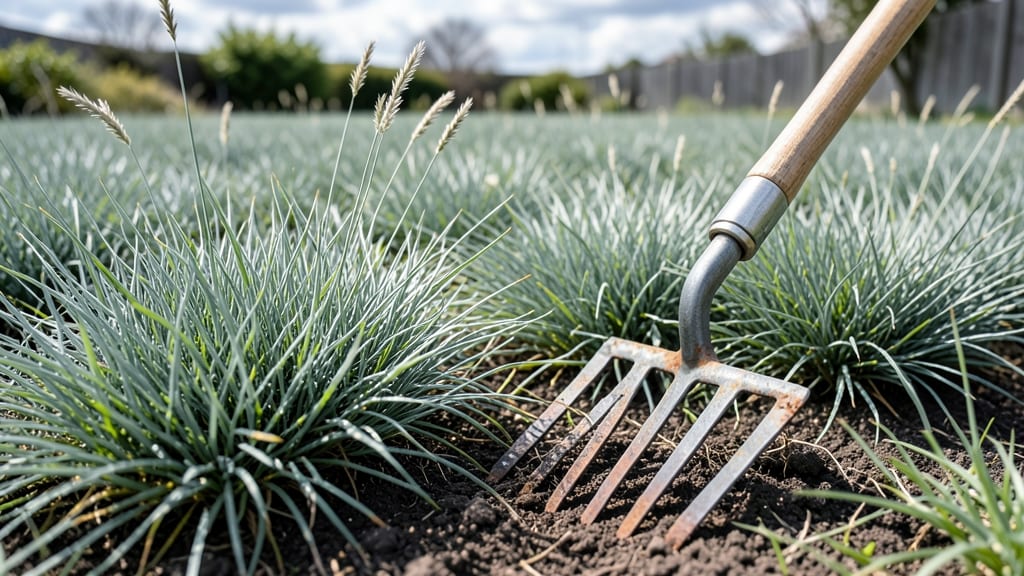
Planting grass seed in Wyoming demands precision—your best window is early spring (March–April) or early fall (August–September), when soil temps and moisture align with your microclimate’s frost-free days.
Wyoming’s dramatic elevation shifts mean a lawn planted too early in Cheyenne’s 4a zone could freeze, while Laramie’s 7b might still see late frosts in May.
Get it wrong, and your grass struggles for years—but nail the timing, and you’ll end up with a thick, resilient yard that thrives despite the challenges.
Cool-season grasses like Kentucky Bluegrass and Fine Fescue are the top choices for most of the state, but Tall Fescue handles Wyoming’s droughts and altitude swings better.
I’ll break down the exact planting windows by region, soil prep tricks, and how to avoid the three mistakes that kill germination before it starts.
Ready to transform your yard? Below, you’ll find the ideal planting calendar for your specific elevation, plus pro tips to ensure your grass seed takes root fast and stays lush through Wyoming’s harsh winters.
Wyoming’s microclimate zones: when to plant grass seed by elevation
Wyoming’s elevation ranges from 3,000 feet in the east to over 13,000 feet in the mountains, creating distinct microclimates that dramatically impact grass seed planting. Lowland areas (3,000–5,000 ft) experience milder winters, while mountain regions (7,000+ ft) face shorter growing seasons and colder soil temperatures.
Understanding these zones ensures your grass establishes strong roots before winter sets in.
Cool-season grasses like Kentucky Bluegrass and Fine Fescue dominate Wyoming lawns, thriving in spring and fall planting windows. Warm-season grasses such as Buffalograss are rare but suitable for lowland areas with hot summers. The key is planting when soil temperatures are 50–65°F—ideal for germination—while avoiding frost-sensitive periods.
Soil temperature is your best indicator for timing. Use a soil thermometer to confirm readiness; 40°F+ signals it’s time to plant in spring, while 60°F+ in fall ensures roots establish before winter. Wyoming’s USDA Zones 4a–7b further refine these windows, with higher elevations requiring earlier spring starts.
Lowland areas (3,000–5,000 ft) have the longest growing seasons, with last frost dates around April 15 in Cheyenne. This zone is ideal for late August to early September planting, allowing grass to root before first frost (mid-October). Soil warms faster here, giving seeds a 6–8 week head start before winter.
Foothills (5,000–7,000 ft) experience cooler soil and shorter seasons, with last frosts around May 1 in Casper. Plant early April to mid-May or late July to early August to avoid summer drought stress. Soil temperatures lag behind lowlands, so wait for consistent 50°F+ readings before seeding.
Mountain regions (7,000+ ft) present the biggest challenge, with last frosts as late as June 1 in Jackson. Focus on late May to early June planting or mid-August to early September, prioritizing shade-tolerant grasses like Fine Fescue. These areas often have rocky, thin soil, so amend with compost to improve moisture retention.
Frost-free days shrink dramatically with elevation: lowlands enjoy 150+ days, while mountains may have only 90 days. This means mountain grass must establish roots in 6–8 weeks—plant 4–6 weeks before first frost to succeed. Use mulch or straw to insulate seeds and retain moisture in these harsh conditions.
| Zone | Elevation | Last Frost | First Frost | Ideal Planting Window | Soil Temp |
|---|---|---|---|---|---|
| Lowland | 3,000–5,000 ft | April 15 | Mid-October | Late Aug–Early Sept | 50–65°F |
| Foothills | 5,000–7,000 ft | May 1 | Early October | Early Apr–Mid-May or Late July–Early Aug | 45–55°F |
| Mountain | 7,000+ ft | June 1 | Late September | Late May–Early June or Mid-Aug–Early Sept | 40–50°F |
For cool-season grasses, prioritize early spring planting (March–April) when soil thaws but before summer heat arrives. In lowland areas, this means seeding by April 15 to avoid drought stress. Fall planting (August–September) is equally critical, as cooler temps reduce weed competition and encourage deep root growth before winter.
If you’re in a transition zone (5,000–6,000 ft), consider overseeding in early fall to fill gaps left by summer heat. Use a light mulch layer to protect seeds from wind and retain moisture. Water deeply 2–3 times weekly
Best grass seed types for Wyoming’s climate and when to plant them
Wyoming’s USDA zones 4a-7b and dramatic elevation shifts create unique challenges for lawn success. The right grass seed type paired with precise planting timing can mean the difference between a struggling lawn and one that thrives year-round. Let’s explore the top options and their ideal windows for Wyoming’s climate.
Cool-season grasses dominate Wyoming’s landscape, but each variety has distinct strengths. Kentucky Bluegrass offers lush greenery but needs consistent moisture, while Tall Fescue excels in drought-prone areas. Fine Fescue thrives in shadier spots, and Buffalograss is the native drought-resistant champion.
Choosing the right one depends on your yard’s conditions and maintenance commitment.
| Grass Type | Cold Hardiness | Drought Tolerance | Best Planting Window | Shade Tolerance |
|---|---|---|---|---|
| Kentucky Bluegrass | USDA 3-9 | Moderate | Early Spring (March-April) | Low |
| Fine Fescue | USDA 3-8 | High | Late Summer (August-September) | High |
| Tall Fescue | USDA 4-9 | Very High | Early Fall (August-September) | Moderate |
| Buffalograss | USDA 3-9 | Extreme | Late Spring (May-June) | Low |
For Kentucky Bluegrass, aim for early spring planting (March-April) when soil temperatures reach 50°F. This cool-season grass needs consistent moisture and thrives in full sun, making it ideal for lowland areas like Cheyenne or Laramie.
However, its moderate drought tolerance means you’ll need regular watering during dry spells.
Fine Fescue shines in Wyoming’s shadier microclimates and when planted in late summer (August-September). This timing allows seeds to germinate before winter, establishing roots before cold sets in. Its high drought tolerance makes it perfect for foothills regions (5,000–7,000 ft) where water conservation is key.
Tall Fescue is my top recommendation for drought-prone areas and high-elevation zones. Plant it in early fall (August-September) to take advantage of cool temperatures and consistent moisture. Its deep root system makes it resilient against Wyoming’s wild temperature swings and short growing seasons.
If you’re seeking a native, low-maintenance option, Buffalograss is the way to go. This drought-resistant grass thrives with minimal water and handles Wyoming’s hot summers and cold winters beautifully. Plant it in late spring (May-June) when soil is warm enough for germination.
Remember, soil prep is critical—whether you’re planting in spring or fall. Clear debris, loosen soil, and consider adding compost to improve drainage. For high-elevation areas (7,000+ ft), opt for Tall Fescue or Buffalograss to ensure success in Wyoming’s challenging conditions.