
Planting
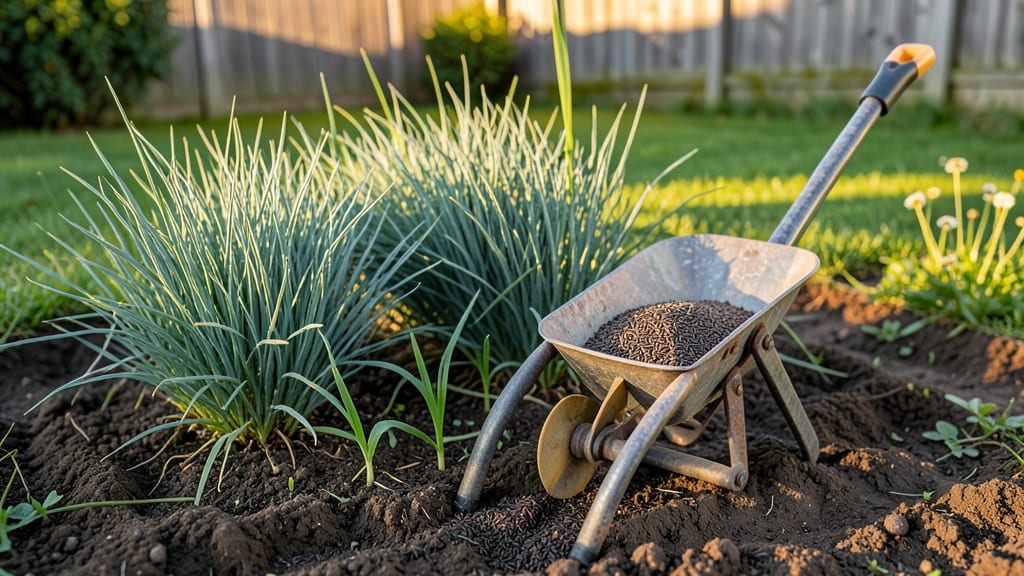
To plant grass seed in Washington State at the right time means fast germination and a lawn that thrives year-round — and missing the window can leave you with patchy, slow-growing turf.
If you’ve ever spread seed in the heat of summer only to watch it dry out before sprouting, or planted too late in fall and had it smothered by frost, you know how critical timing is.
Washington’s diverse zones (from 5b in Eastern WA to 8a in the West) mean the "perfect" month shifts depending on where you live.
Here’s the best strategy for your region: early fall (August–September) or spring (March–April) are your golden windows, when soil stays warm enough for roots to take hold but temperatures aren’t extreme. I’ll break down exactly what to do in each zone to avoid common pitfalls.
Whether you’re in the Puget Sound or the drier inland areas, these tips will help you skip the guesswork and get a lawn that stays green all season long.
Best months to plant grass seed in Washington State by USDA hardiness Zone
Washington State’s diverse USDA hardiness zones (5-8) create unique challenges for grass seed germination. Coastal areas like Seattle (Zone 7b-8a) enjoy milder winters, while Eastern Washington (Zone 5b-6b) faces colder temperatures and shorter growing seasons.
To maximize success, timing your planting to align with soil temperatures and rainfall patterns is critical—whether you're seeding in early fall or late spring.
In Washington, the ideal planting windows are early fall (August-September) and late spring (March-April). Fall planting allows seeds to establish roots before winter, while spring planting avoids the heat stress of summer.
However, the exact timing varies by zone—cooler inland areas may need to adjust their schedule by 2-4 weeks compared to coastal regions.
Soil temperature is your best indicator: seeds germinate best when soil is between 55°F and 75°F (13°C-24°C). In Zone 5 (Eastern WA), this means waiting until late April or early May, while Zone 8 (Western WA) can plant as early as March. Rainfall also plays a role—coastal areas get more natural moisture, while inland zones may need supplemental irrigation during dry spells.
For Zone 5-6 (Eastern WA), I recommend planting cool-season grasses like tall fescue or Kentucky bluegrass in late April or early May. These varieties thrive in cooler temperatures and establish roots before summer heat arrives.
If you choose fall planting, aim for August—this gives seeds time to germinate before first frost (mid-September).
In Zone 7-8 (Western WA), you have more flexibility. March-April is ideal for spring planting, but you can also seed in September to take advantage of consistent rainfall. Coastal areas benefit from natural moisture, but I still recommend light irrigation during the first 2-3 weeks to ensure germination.
Avoid planting in summer (June-August)—high temperatures and drought stress will stunt growth.
One common mistake I see is planting too early in spring (February) or too late in fall (October). In Zone 5-6, February soils are often too cold for germination, while October seeds may not establish before frost. Always check soil temperature with a soil thermometer—if it
How Washington’s climate affects grass seed germination timing
Washington’s diverse climate—from the coastal rainforests of the Olympic Peninsula to the dry inland valleys of Eastern Washington—creates unique challenges for grass seed germination. The Pacific Northwest’s unpredictable weather means timing is everything to avoid patchy lawns or wasted seed.
Coastal areas stay moist longer, while inland regions face summer drought or early frosts, shifting ideal planting windows dramatically.
In Western Washington, where mild winters and consistent rain dominate, September planting is often ideal—giving seeds time to establish before winter rains. Meanwhile, Eastern Washington’s hot, dry summers and colder winters demand April planting to beat the heat.
Microclimates—like Puget Sound’s marine influence—can even delay frost by weeks compared to Spokane’s continental climate.
Rainfall patterns also play a critical role. Too much rain in spring can wash away seeds, while drought stress in summer stalls germination. Temperature fluctuations further complicate things: seeds need consistent soil temps between 50°F and 75°F to sprout. In cooler coastal zones, this might mean late August planting, while inland areas may wait until May to avoid heat stress.
| Climate Factor | Western WA (Coastal) | Eastern WA (Inland) | Adjustment Tip |
|---|---|---|---|
| Ideal Planting Month | September (early fall) | April (late spring) | Plant 4-6 weeks before first frost |
| Soil Temperature | 55-65°F (cool) | 60-70°F (warmer) | Use soil thermometer to confirm |
| Rainfall Risk | High (washout risk) | Low (drought risk) | Use erosion control blankets if needed |
| Frost Window | October 15 (late) | September 15 (early) | Monitor local frost dates |
If you’re in a transition zone (like Cascade foothills), split your approach: plant cool-season grasses like fescue in September and warm-season grasses like ryegrass in April. Drought years demand deep watering schedules, while wet springs may require raised beds or sandy soil amendments to prevent waterlogging.
Always check 7-day forecasts before planting—consistent moisture is non-negotiable for germination.
For coastal gardeners, prioritize shade-tolerant grasses like creeping red fescue, which handles high humidity better.
Inland growers should opt for drought-resistant varieties like tall fescue or buffalo grass. Soil prep matters just as much as timing: Loosen compacted soil and add compost to improve drainage in both regions.
Pro tip: Test your soil’s pH before planting—Washington’s acidic soils (common in Western WA) may need lime, while alkaline soils in Eastern WA benefit from sulfur.
Aim for a pH of 6.0-7.0 for optimal grass growth. With the right adjustments, you’ll turn Washington’s climate challenges into a lush lawn advantage. 🌱