
Plants
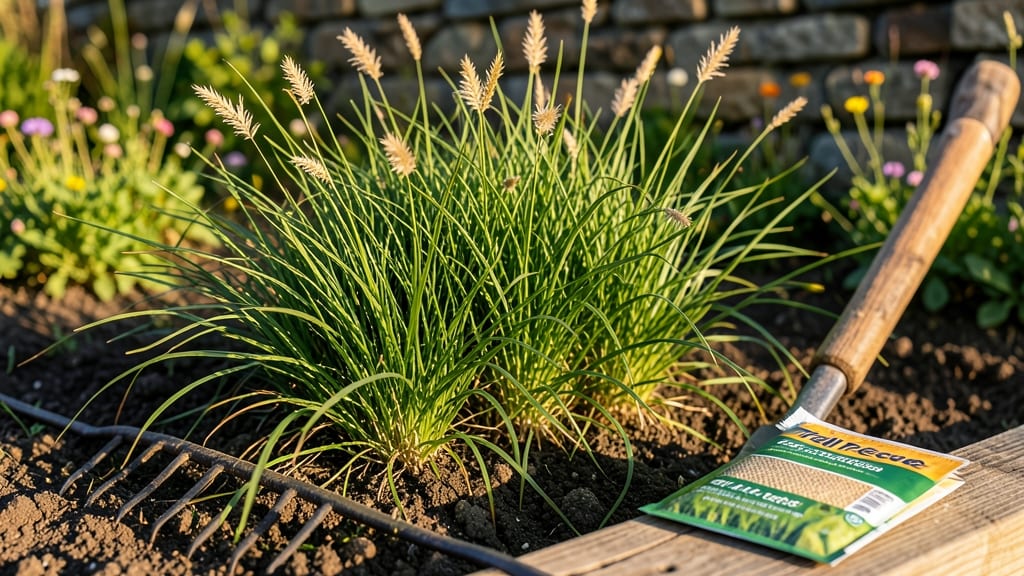
Planting grass seed in North Carolina at the right time means the difference between a lush, weed-resistant lawn and a frustrating, patchy mess.
If you’ve ever poured money into seed only to watch it bake in the summer heat or rot in a soggy spring, you know how critical timing is. The wrong window can mean wasted effort—hot summers, unpredictable rain, and regional microclimates demand precision for success.
Most NC gardeners swear by early fall (August-September) or early spring (March-April), but the best month depends on your zone. Coastal areas can plant earlier, while the mountains wait for warmer soil. I’ll break down the exact windows for your microclimate, plus how to adjust for late freezes or drought.
You’ll also learn how to prep your soil, choose the right grass type, and keep it thriving—so your lawn stays green longer and weeds stay out for good.
Best months to plant grass seed in North Carolina by region (2024 guide)
North Carolina’s diverse climate—from the humid Coastal Plain to the cooler Mountains—means your perfect planting window depends entirely on where you live. Cool-season grasses like tall fescue thrive in mild temperatures, while warm-season varieties such as Bermuda grass need heat to germinate.
Timing your planting wrong can lead to slow growth, weed competition, or even seed failure.
For the best results, aim to plant when soil temperatures are 50–65°F for cool-season grasses or 70–85°F for warm-season types. North Carolina’s USDA Zones 6a–8b create microclimates with distinct frost dates, so we’ve broken down the ideal months for each region to maximize your lawn’s success.
If you’re in the Coastal Plain, plant tall fescue in late August to avoid summer heat stress, while Bermuda grass thrives when seeded in late April. The Piedmont’s clay soils benefit from early September planting to prevent compaction issues during germination.
For Mountain regions, cool nights mean you can extend your fall window slightly—aim for late August to early October. Sandhills gardeners should prioritize frequent watering due to the sandy soil’s rapid drainage, especially when planting in mid-August.
Warm-season grasses like Zoysia or Centipede need the ground to stay warm for weeks after planting. In the Foothills, mid-May is ideal to ensure consistent soil temperatures above 70°F, preventing slow germination.
Pro tip: Use a soil thermometer to confirm temperatures match your grass type’s needs. Cool-season grasses struggle if soil stays above 65°F, while warm-season varieties may fail if soil drops below 60°F.
Remember, early fall is the safest bet for most of North Carolina—it avoids summer heat and gives grass time to establish before winter. Just check your local first frost date (typically late October–November) and plant 6–8 weeks before it hits.
For overseeding existing lawns, wait until daytime highs drop below 80°F in late summer. This reduces stress on your existing grass while giving new seeds the best chance to germinate.
🌱
How to adjust planting timing for North Carolina’s unpredictable weather patterns
North Carolina’s unpredictable weather can turn a perfect planting day into a muddy mess overnight. Early freezes in the mountains or sudden heatwaves in the Piedmont often disrupt ideal planting windows.
The key is flexibility—knowing how to adjust your timeline based on real-time conditions rather than sticking to a rigid calendar.
For cool-season grasses like tall fescue and Kentucky bluegrass, the ideal window is late August to early October. But if temperatures stay above 80°F or drought warnings appear, delay until September.
Warm-season grasses like Bermuda and Zoysia thrive when soil reaches 65°F+, typically April to early June, but watch for late frosts in higher elevations.
For soil preparation, focus on drainage—NC’s clay-heavy soils in the Piedmont or sandy Coastal Plain can stall germination. Test your soil’s pH (6.0–7.0 ideal) and amend with compost or lime 4–6 weeks before planting.
If rain delays your schedule, cover seeds with lightweight row covers to protect sprouts from hard rains or bird damage.
When selecting seeds, prioritize drought-tolerant varieties like tall fescue for Piedmont areas or Bermuda grass for Coastal regions prone to heat. For backup planting, note these secondary windows: Mid-April (if frost risk passes) or late September (if summer heat lingers).
Always carry a 10-day weather forecast and a soil thermometer—they’re your best tools against NC’s whims.
Post-planting, water deeply in the morning to prevent fungal growth from evening moisture. If a drought warning hits, reduce frequency but increase depth to 1–1.5 inches per week. For slow germination (common in cool, wet springs), use a seed starter fertilizer with phosphorus to boost root development.
Patience is critical—NC’s unpredictable weather rewards those who adapt over those who guess.
Remember, microclimates matter. A mountain valley may frost 2 weeks earlier than a Piedmont hillside, while Coastal areas stay warmer longer. Use local extension office data (like NC State’s Climate Tool) to fine-tune your timing.
With the right adjustments, even NC’s wildest weather won’t derail your dream lawn.