
Planting
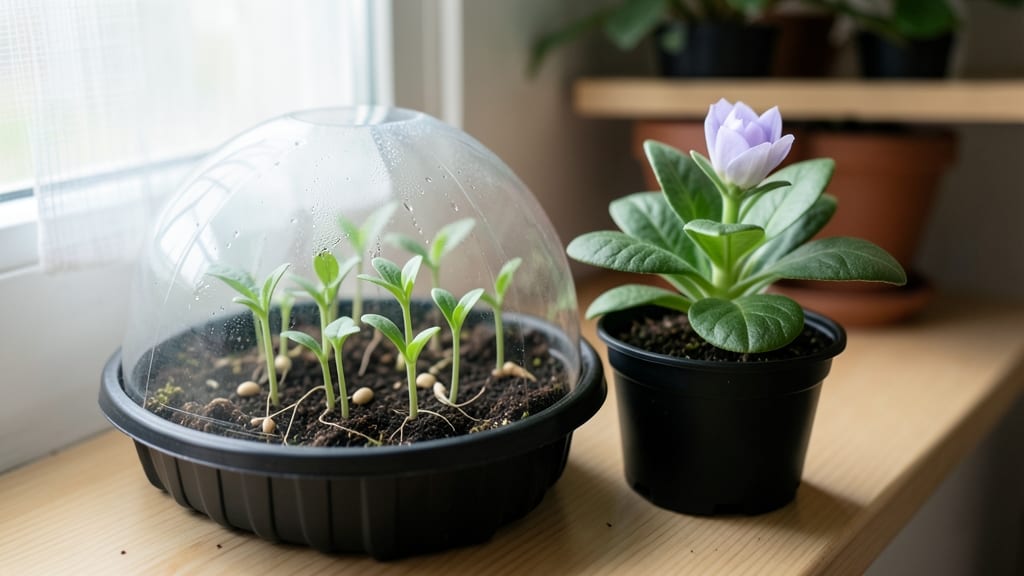
To plant eustoma seeds at the perfect time ensures stunning 🌸 blooms that last all summer, whether you're in a cool or warm climate.
Timing is everything when growing eustoma flowers—plant too early, and you risk leggy seedlings; too late, and your blooms may never arrive. Mastering the perfect indoor start dates by frost zone ensures vibrant, long-lasting flowers that steal the show in your garden.
Eustoma thrives as an annual in most regions, so getting the timing right means the difference between a bountiful display and a season of disappointment. Whether you're in Zone 6a or further south, knowing when to start seeds indoors—typically between February and March—sets the stage for success.
In this guide, I’ll break down the best indoor start dates by USDA zone, share tips for adjusting planting times to extend your bloom season, and help you avoid common mistakes that can derail your eustoma dreams.
Best indoor start dates for eustoma seeds by USDA frost zone
Eustoma, also known as lisianthus, thrives when started indoors at the right time. Since it’s sensitive to cold, timing your seeds 10-12 weeks before your last frost date ensures sturdy seedlings ready for transplanting.
However, zones with warmer winters (8-11) can start slightly later, while colder zones (3-6) need an earlier head start to avoid leggy, weak plants.
For optimal germination, maintain 65-75°F soil temperatures and 70% humidity using a humidity dome or plastic wrap. Eustoma seeds germinate slowly—14-21 days—so patience is key.
Adjust your start dates based on whether you’re growing in a greenhouse (earlier starts) or indoors (later starts) to match your local frost-free window.
Here’s a zone-by-zone breakdown of ideal indoor start dates, including adjustments for greenhouse vs. indoor growing:
In Zones 3-6, where frost lingers late, prioritize early starts (February) to avoid transplanting stressed seedlings. Use grow lights if natural light is limited, as eustoma needs 14+ hours of light daily to prevent stretching.
For Zones 7-11, you can delay starts until late February or March, but monitor soil temps—eustoma hates cold soil and may rot if planted too early.
If you’re using a greenhouse, start seeds 2-4 weeks earlier than the indoor schedule. Greenhouses warm up faster, giving you a head start on the season. However, avoid overheating—keep temps below 80°F to prevent bolting (premature flowering). Use shade cloth in peak sun hours if needed.
For container gardening or cut flower production, consider staggered sowing every 2-3 weeks. This ensures a continuous supply of blooms from summer to fall. For example, in Zone 7, sow a batch on
How to adjust planting times for early or late blooms
Want to extend your eustoma blooms beyond the typical season? Adjusting planting times is key—whether you’re chasing early spring color or fall displays. The trick lies in staggered sowing and strategic transplanting to avoid bolting risks or leggy seedlings.
For example, in Zone 7, I start my first batch indoors in early February for May blooms, then repeat in late March for July flowers.
Container gardeners have an advantage here—eustomas thrive in pots, so you can move them to protected microclimates (like near south-facing walls) to extend the season. If you’re aiming for late blooms, wait until mid-June to transplant outdoors in Zones 8-10, where frost is rare.
Just monitor soil temperatures—keep them above 60°F to prevent slow germination.
🌱 5 Key Strategies for Extended Blooms
- Staggered Sowing: Plant 3 batches 2 weeks apart to spread blooms over 6-8 weeks.
- Greenhouse Start: Begin seeds indoors 8-10 weeks early (by January) for spring forced blooms.
- Transplant Timing: Harden off seedlings at 50°F nights to avoid cold shock.
- Container Flexibility: Use black fabric pots to move plants between sun/shade as needed.
- Bolting Control: Pinch back tall stems if days lengthen too soon (common in late spring).
Forcing early blooms indoors requires patience—start seeds under grow lights in January (for Zone 5-7) and supplement with 12-hour light days to prevent bolting. I’ve had success using reflective foil behind seed trays to maximize light efficiency.
If germination stalls after 2 weeks, try soaking seeds in lukewarm water for 12 hours before replanting.
Troubleshooting slow germination? Check your humidity levels—eustoma seeds need 70%+ humidity to sprout. Cover trays with plastic wrap and place on a heat mat set to 75°F. If seedlings bolt prematurely (stems elongate rapidly), move them to a cooler, shadier spot immediately and reduce watering slightly.
This trick works especially well for tall varieties like ‘Blushing Bride.’
Don’t overlook companion planting to extend your display. Pair eustomas with low-growing annuals like snapdragons or calibrachoa to create layered color. In containers, mix in trailing lobelia to fill gaps while protecting eustoma roots from temperature swings.
For late-season blooms, mulch heavily with straw to insulate roots in Zones 8-10.
Remember: Eustomas are frost-sensitive but surprisingly heat-tolerant once established. In hot climates, provide afternoon shade to prevent bud drop. With these adjustments, you can enjoy cut flowers from June to October—or even year-round in greenhouse setups! 🌸