
Plants
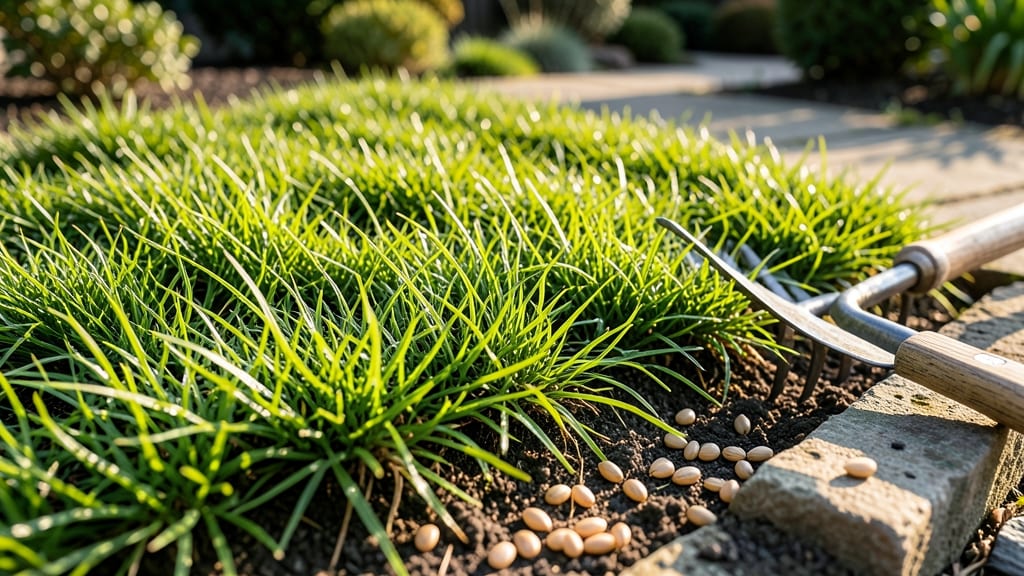
To plant Bermuda grass seeds in Texas, aim for mid-April to mid-May when soil temperatures hit 75°F+—any earlier risks frost damage and stunted growth.
Planting Bermuda grass seeds at the wrong time in Texas can mean the difference between a lush, green lawn and months of patchy growth—or worse, total failure. Timing isn’t just about the calendar; it’s about soil temperatures, rainfall patterns, and regional microclimates that vary even within Texas.
For example, North Texas’s cooler springs delay planting until late April, while South Texas’s warmer climate allows earlier starts in March. Skipping soil temperature checks can leave seeds vulnerable to cold snaps, no matter the date on the calendar.
Below, I break down the exact planting windows by region, how to test soil warmth, and the 3 mistakes that kill germination before it begins—so you can finally get that thick, drought-resistant lawn you’ve been dreaming of.
Best months to plant Bermuda grass seeds in Texas by region
Texas’ vast size means your Bermuda grass planting window can vary by hundreds of miles. In North Texas, cooler springs delay germination, while South Texas’s heat can scorch seeds planted too early.
The golden rule? Wait until soil hits 75°F+—this ensures strong root establishment before summer’s intensity. Let’s break down the best planting months for each region, including rainfall tips and heat warnings.
Bermuda grass thrives in USDA Zones 8a-10b, but Texas’ microclimates create distinct planting zones. Central Texas (Austin, San Antonio) has the most predictable windows, while East Texas’s humidity demands extra prep.
South Texas (Houston, Corpus Christi) can plant earlier due to milder winters, but watch for hurricane season delays in late summer.
Here’s the critical comparison for each Texas region, including soil temperature thresholds and rainfall considerations:
For North Texas, the April 15 target date aligns with consistent 75°F+ soils, reducing frost risk. Use a soil thermometer to confirm—cold mornings can stall germination. In Central Texas, aim for late March when daytime highs hit 80°F+, but avoid planting during 30+°F nights.
East Texas’s humidity demands extra care: raise seedbeds slightly to prevent waterlogging. The April-May window balances rainfall and heat, but fungicide treatments may be needed if rains exceed 2 inches/week. South Texas gardeners can start as early as February, but hurricane season (June-November) means delaying until after May 15.
Pro tip: Test soil moisture weekly after planting. Bermuda grass needs deep watering (1-1.5 inches), but overwatering in South Texas can lead to salt buildup. Use drip irrigation to maintain even moisture without runoff. In drought-prone Central Texas, consider mulching with straw to retain humidity.
If you miss the spring window, don’t despair—Bermuda grass can also be planted in late summer (August-September). However, this requires extra irrigation to combat 100°F+ heat.
For North Texas, this means waiting until after July 15; in South Texas, aim for August 1 to avoid hurricane season disruptions.
Regional pH adjustments matter too: Central Texas soils often need lime (to raise pH to 6.5-7.0), while East Texas’s acidic soils may require sulfur amendments.
Test your soil 4-6 weeks before planting to avoid delays. Remember, Bermuda grass spreads aggressively—plan for 1-2 inches of vertical growth by summer’s end.
Final tip: Mow high (2-3 inches) once established to shade roots and retain moisture. In
How to check soil temperature and prepare for planting
Before planting Bermuda grass seeds in Texas, knowing your soil temperature is critical. Bermuda thrives when soil reaches at least 65°F (18°C), but ideal germination happens at 75°F (24°C). Cold soil delays sprouting, while waiting for perfect conditions ensures faster, healthier growth.
I’ve learned that rushing into planting too early—even if the calendar says spring—can lead to patchy, weak grass that struggles to establish.
Testing soil temperature is simpler than you might think. You’ll need a soil thermometer (available for under $10) or a DIY method using a regular thermometer and a small container.
The key is consistency: check temperatures at the same time each day, typically in the late morning when soil has warmed up. Remember, surface temps can be misleading—always test 2-3 inches deep, where the seeds will actually be planted.
This depth gives you the most accurate reading for root zone conditions.
- Gather Tools: Soil thermometer or DIY setup (thermometer + small metal container like a coffee can).
- Choose Location: Select 3-5 spots in your yard where you plan to plant. Avoid shaded areas or spots near pavement.
- Test Depth: Insert thermometer probe or container 2-3 inches deep—this mimics where seeds will germinate.
- Check Timing: Measure temperature between 10 AM and 2 PM for most accurate results (soil has warmed).
- Monitor Trends: Track temps for 3-5 days to confirm consistency. Bermuda seeds need 3 consecutive days above 75°F.
- Prepare for Planting: Once temps stabilize, loosen soil to 3-4 inches deep with a rake or tiller. Remove rocks and debris.
- Level the Bed: Use a lawn roller or board to create a smooth surface for even seed distribution.
If your soil is still too cold but you’re eager to plant, consider covering the area with black plastic for 1-2 weeks. This simple trick raises soil temps by trapping heat from the sun.
I’ve used this method in North Texas when April arrived late—it shaved off 2 weeks of waiting time. Just remember to remove the plastic 24 hours before planting to avoid overheating the seeds.
For DIY thermometers, fill a small metal container with water, bury it, and check the temp after 30 minutes—it’s not as precise but works in a pinch.
Preparing your seedbed is just as important as timing. Bermuda grass needs well-draining soil with a pH between 6.0 and 7.5. Test your soil’s pH using a kit (available at garden centers) and adjust with lime (to raise pH) or sulfur (to lower it) if needed.
I once skipped this step and ended up with yellowing grass—turns out my soil was too acidic! After amending it, the difference was dramatic within weeks. Once your soil is prepped, lightly rake the surface to create a fine, crumbly texture that seeds can nestle into comfortably.
For late-season adjustments, don’t panic if May rolls around and your soil still isn’t warm enough. Bermuda grass can handle summer planting in Texas, especially in South or Central regions where heat arrives early.
Just shift your schedule to late May or early June and focus on keeping the soil moist during germination. In North Texas, I’ve planted as late as June 1st with success—though you’ll need to water more frequently to compensate for the heat. Always prioritize soil temperature over the calendar date.
Finally, a pro tip: Water your seedbed lightly the day before planting to help seeds stick to the soil. This prevents them from drying out or blowing away during the initial planting process. After sowing, keep the area consistently moist (not soggy) until the grass reaches 2-3 inches tall.
I use a gentle sprinkler on a timer set for 10 minutes twice daily during the first 2 weeks—it’s the secret to even germination. With the right soil temp and prep, your Bermuda grass will sprout within 7-14 days, giving you that coveted green lawn.