
How To
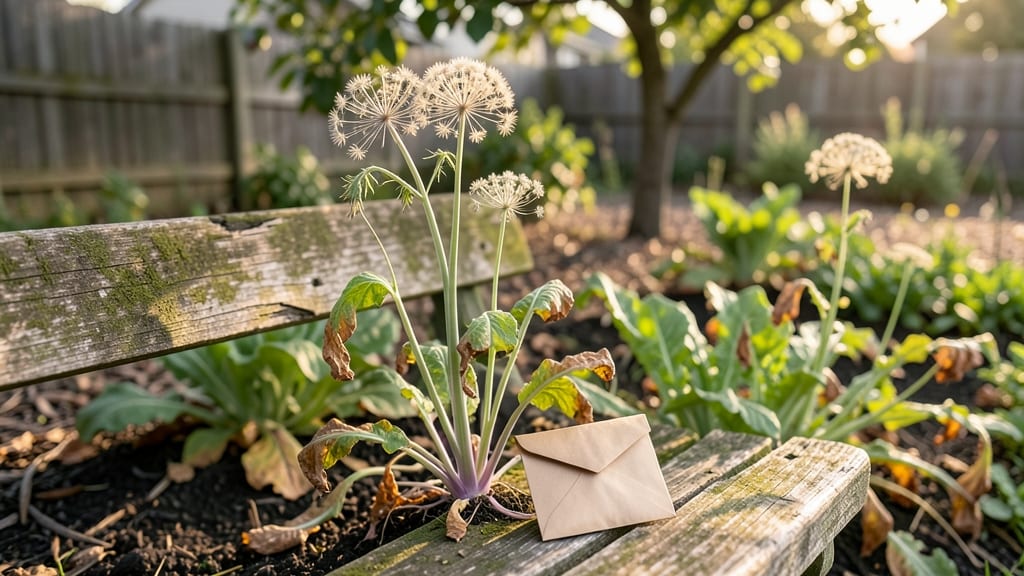
Harvesting lettuce seeds at the right time ensures viable, high-quality seeds for next year’s garden—miss the window, and you risk weak germination or wasted effort.
Picture this: your 🥬 plants bolt unexpectedly, sending up tall flower stalks just as summer heats up. That’s the moment you realize timing isn’t just about patience—it’s about precision.
The difference between a thriving seed bank and a failed harvest often comes down to knowing when those flower buds are ready to collect.
In USDA Zone 6a, the ideal window for harvesting lettuce seeds falls in late summer or early fall, when days grow shorter and temperatures cool slightly.
But even then, you can’t just wait for the first flower—you need to spot those small, tight buds before they open fully, or you’ll end up with seeds that won’t store well.
Below, I’ll walk you through how to identify those perfect buds, the best drying methods to preserve viability, and the one mistake that ruins more lettuce seed harvests than any other. Ready to save those seeds the right way?
How to identify lettuce flower buds for perfect seed harvest timing
Harvesting lettuce seeds requires precision—especially since most varieties bolt (flower) quickly under stress or heat. The key is spotting the pre-flower buds at the right stage. These small, tight clusters appear where the stem meets the leaves, signaling your plant is ready to transition from leaf production to seed development.
Lettuce flower buds typically form 60–75 days after planting, depending on variety. Bolt-resistant types like 'Jericho' or 'Winter Density' may take longer, while heat-sensitive varieties bolt faster in temperatures above 75°F. Watch for tight, greenish buds (not yet opened) along the main stem or leaf axils.
Timing matters because once buds open into flowers, seeds develop over 3–4 weeks. If you harvest too early, seeds won’t mature; too late, and they may shatter or lose viability.
The ideal window is when 50% of buds are fully formed but still closed—this ensures maximum seed yield and quality.
Step-by-Step Guide to Harvesting Lettuce Seeds
-
Step 1: Monitor Bud Formation
Check plants daily for tight, unopened buds along stems. Use a 10x magnifying glass if buds are small.
-
Step 2: Wait for 50% Maturity
Harvest when half the buds are fully formed but still closed. This balances seed development and prevents shattering.
-
Step 3: Cut Stems Carefully
Use clean pruners to snip stems 2–3 inches below buds. Avoid damaging remaining foliage.
-
Step 4: Dry in a Controlled Space
Hang stems upside-down in a cool, dry, shaded area (60–70°F) for 2–3 weeks until buds turn brown.
-
Step 5: Extract and Store Seeds
Gently rub dried buds to release seeds. Store in paper envelopes in a cool, dark place for up to 3 years.
Heat tolerance plays a critical role in seed development. Varieties like 'Black Seeded Simpson' handle 80°F+ temperatures better than butterhead types, which bolt quickly in summer. If your garden hits 90°F+, opt for shade cloth or grow lettuce in early spring or fall for optimal seed production.
Bolt resistance is another factor. Some lettuces, like 'Romaine', are more tolerant of warm weather, while others (e.g., 'Leaf Lettuce') bolt rapidly. To extend your harvest window, use mulch to keep soil cool and water consistently to reduce stress-induced bolting.
Pro tip: If your lettuce bolts unexpectedly, don’t discard it! Many bolted plants still produce viable seeds. Simply harvest the flower stalks when buds form and follow the drying steps above. This turns a "failed" crop into a seed-saving opportunity.
Remember, seed viability drops after 2–3 years, so label your seeds with the harvest date. Store them in airtight containers with silica gel packets to prevent moisture damage. With the right timing and care, you’ll have a reliable source of homegrown lettuce seeds for seasons to come.
Best practices for drying and storing lettuce seeds after harvest
Once you've harvested your lettuce flower buds, proper drying and storage are critical to preserving seed viability. Skipping these steps can lead to moldy seeds or poor germination rates. The key lies in controlling humidity levels and maintaining consistent temperatures during the drying process.
After harvesting, gently remove the seed heads from the plant and place them in a well-ventilated area. Avoid direct sunlight, which can overheat and damage the seeds. Instead, opt for a shady, dry location with good airflow to prevent moisture buildup.
| Method | Pros | Cons | Best For |
|---|---|---|---|
| Paper Bags | Protects from pests; easy to label | Traps moisture; risk of mold | Short-term storage (1-2 months) |
| Mesh Bags | Allows airflow; prevents mold | Less pest protection; requires monitoring | Long-term storage (6+ months) |
| Silica Gel Packets | Absorbs excess moisture; extends shelf life | Requires additional supplies; not eco-friendly | Seed banks or professional storage |
For long-term storage, aim for a humidity level below 30% and temperatures between 32°F and 41°F. Use airtight containers with desiccant packets to maintain these conditions. Label each container with the variety name and harvest date to track seed freshness.
To test seed viability, perform a simple germination test before planting. Place 10 seeds on a damp paper towel, seal in a plastic bag, and keep in a warm location. After 7-10 days, count the sprouted seeds. A viability rate above 70% indicates healthy seeds ready for planting.
Store your seeds in a cool, dark place, like a refrigerator or seed vault. With proper care, lettuce seeds can remain viable for 2-3 years, though germination rates may decline over time. Regularly check stored seeds for signs of moisture or pests.
Remember, the drying process is just as important as the harvest itself. Rushing this step can compromise your entire seed bank, so take the time to dry seeds thoroughly before storing them away for next season.