
Propagation
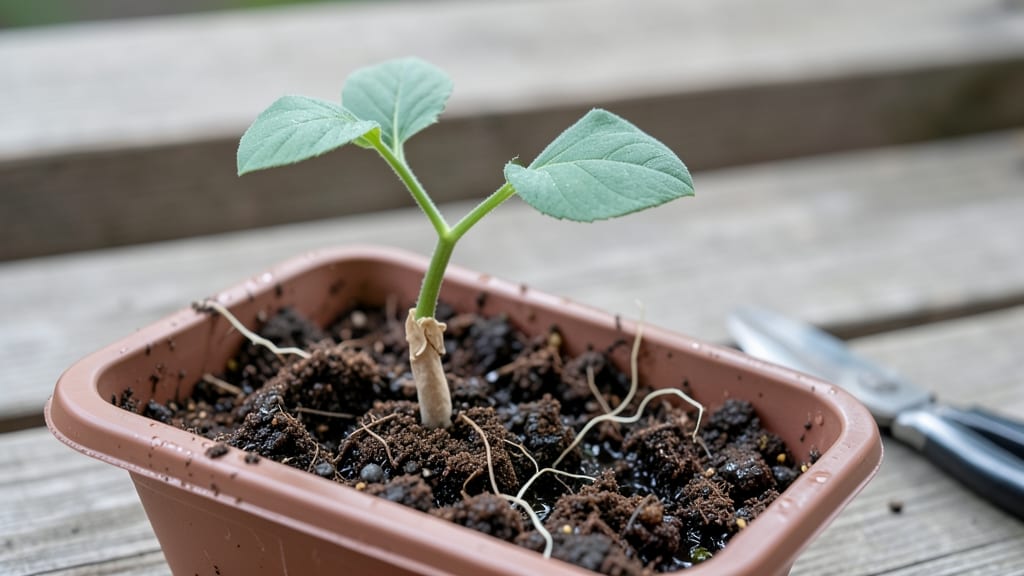
This transformation begins when water triggers the seed's metabolic processes, causing it to swell and crack open. 🌱 The newly formed roots (radicle) anchor into the soil first, followed by the shoot pushing upward toward light.
Each stage—from water absorption to leaf development—depends on precise environmental conditions like warmth and oxygen availability. Understanding this process helps gardeners optimize planting times and soil preparation for better yields.
What's fascinating is how seeds "know" when conditions are right—they only germinate when moisture, temperature, and light align perfectly. For example, some seeds need a period of cold (stratification) before they'll sprout, while others require direct sunlight. These biological cues ensure plants grow when survival chances are highest.
💡 In This Article
- The Four Stages of Seed Germination Explained
- Factors That Influence Successful Seed Germination
The four stages of seed germination explained
At the heart of germination is imbibition, where the seed absorbs water through its coat, swelling by up to 50-100% of its original size. This isn't just hydration—it's a chemical reaction. Water activates hydrolase enzymes that break down starches into sugars, providing energy for the seed's metabolic awakening.
For example, a sunflower seed can absorb 2-3 times its dry weight in water within hours, triggering the first biochemical signals to "wake up." 🌱
The second phase is enzyme activation, where these hydrolases convert stored nutrients into usable energy. The seed's mitochondria (its powerhouses) ramp up ATP production, fueling cell division. This is why you'll see seeds like peas or beans start producing a faint warmth—just 0.5-1°C above ambient—as their metabolic rate spikes.
The radicle (embryonic root) is the first structure to emerge, pushing through the seed coat as cells elongate at rates of 1-2 mm per hour in ideal conditions.
Next comes radicle emergence, where the root grows downward, seeking moisture and anchoring the seedling. Meanwhile, the hypocotyl (the stem connecting the root and leaves) begins elongating, often at 3-5 mm per day, propelling the shoot upward.
This is why you'll see seedlings "arch" as they stretch toward light—a response called phototropism. The hypocotyl's rapid growth is powered by gibberellins, a plant hormone that breaks down seed storage tissues.
Finally, cotyledon development occurs as the first leaves (or seed leaves) unfold. These aren't true leaves but contain chlorophyll to begin photosynthesis. In dicot seeds (like beans), cotyledons often appear above ground, while in monocots (like corn), they remain below soil.
This stage marks the transition from heterotrophic (relying on seed nutrients) to autotrophic (producing its own food) growth. 💫
What's often overlooked is how oxygen availability impacts these stages. Seeds need 10-20% oxygen in the soil—too little (like in compacted soil) slows respiration, stalling germination. This is why aerating seedbeds or using well-draining mixes is critical.
For instance, tomato seeds may fail to sprout if buried too deep, as oxygen can't diffuse through more than 1/4 inch of soil.
Each stage is a finely tuned biological process, with timing varying by species. Fast germinators like radishes sprout in 3-5 days, while slow ones like oak trees take weeks to months.
Understanding these phases helps gardeners troubleshoot—like knowing why your chili seeds might rot if overwatered during imbibition or why seedlings flop if light is insufficient during hypocotyl elongation.