
Plants
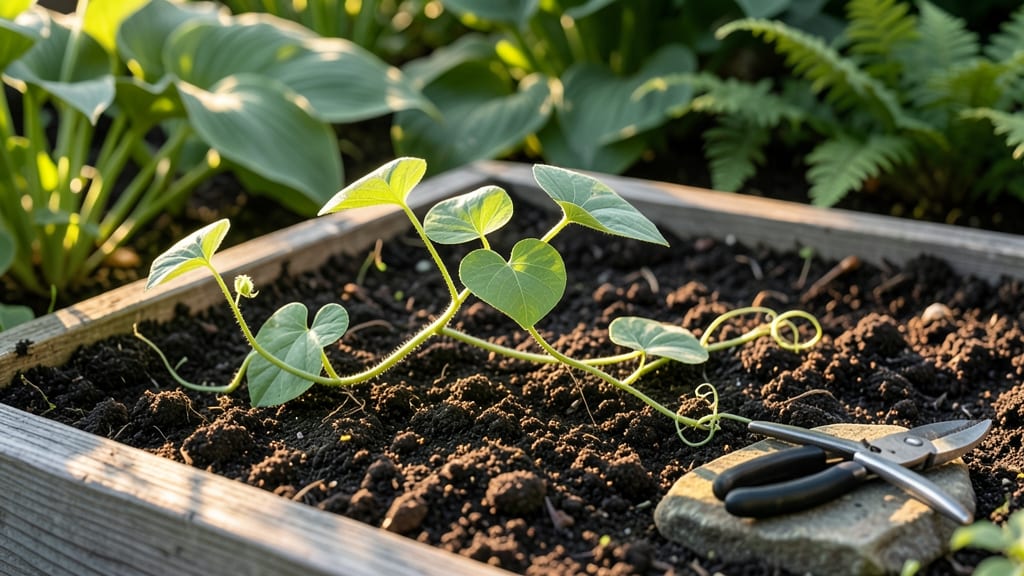
Moonflower seedlings start with velvety, heart-shaped cotyledons that look like tiny, fuzzy green leaves—nothing like a dandelion’s jagged edges. 🌱 The first true leaves appear within 2 weeks, smooth-edged and slightly glossy, with delicate stems that coil counterclockwise (a dead giveaway).
These seedlings thrive in warm soil and need bright light to prevent leggy growth. Water gently—too much can drown the shallow roots, while too little makes the leaves curl. Compare them to morning glory seedlings (their cousins), but moonflowers grow slightly slower at first.
By 4 weeks, you’ll spot the vine’s signature twisting habit and broader, arrow-shaped leaves. Keep them in well-draining soil and watch for the first buds forming near the base—proof you’ve got a future night-blooming beauty on your hands. If weeds sneak in, moonflowers stay compact at first.
Pull anything with spiky leaves or wiry stems immediately—they’ll outcompete your delicate vines before they even start climbing.
Seedling Struggles Explained
Understanding why moonflower seedlings (Ipomoea alba) look the way they do—or don’t—starts with their growth quirks. These delicate vines rely on precise conditions to thrive, and even minor missteps can alter their appearance.
Below, we break down the key reasons behind their unique (or unexpected) looks, from genetics to environmental factors.
Moonflower seedlings inherit traits from their parents, and these can dramatically influence their early development.
- Hybrid or Wild Varieties: If your seeds came from a wild or hybrid strain, seedlings may exhibit unpredictable leaf shapes (e.g., deeply lobed or serrated edges) or slower growth.
Wild types often have thicker stems and darker green leaves compared to cultivated varieties. - Seed Age Matters: Older seeds (over 2 years) may produce stunted, weaker seedlings with smaller leaves or irregular germination.
Fresh seeds typically sprout uniform, velvety leaves within 7–14 days. - Dormancy Genes: Some moonflower seeds carry dormancy traits, causing delayed or erratic sprouting. This might make seedlings appear patchy or sparse in a tray.
💡 Pro Tip: If your seedlings look inconsistent, check the seed packet for variety notes—wild types are far less predictable than heirloom or hybrid strains!
Moonflowers are tropical vines at heart, and temperature swings can warp their development.
- Cold Shock (Below 50°F/10°C): Seedlings exposed to chilly nights may develop purple-tinged leaves (a stress response) or stunted growth.
In extreme cases, they might fail to unfurl leaves properly, leaving them curled or crinkled. - Heat Stress (Above 90°F/32°C): High daytime temps can cause yellowing (chlorosis) or leathery, brittle leaves.
Seedlings may also bolt prematurely (shoot up tall and woody) instead of focusing on leaf growth. - Inconsistent Soil Temps: Fluctuating ground temperatures (common in spring/fall) can delay germination, leading to uneven seedling sizes or weak stems.
✨ Actionable Fix: Use a seedling heat mat (70–75°F/21–24°C) for consistent warmth, and avoid placing trays in drafty areas or near AC vents.
Moonflower seedlings are sensitive to moisture extremes, and improper watering directly impacts their appearance.
- Overwatering: Soggy soil leads to root rot, causing leaves to turn yellow or brown at the edges and stems to soften. Seedlings may also collapse or develop mushy growth. - Underwatering: Dry soil stresses seedlings, resulting in small, crispy leaves or wilting.
Chronic drought can stunt growth entirely, leaving stems woody and brittle. - Poor Drainage: Compacted or clay-heavy soil traps excess water, mimicking overwatering symptoms. Seedlings may sprout leaves but fail to grow, appearing "stuck."
🔥 Step-by-Step Fix:
- Use well-draining mix (50% potting soil + 50% perlite/coco coir).
- Water at soil level (avoid overhead spraying to prevent fungal issues).
- Check moisture by sticking a finger 1 inch deep—water when dry but not bone-dry.
Moonflowers need bright, indirect light to develop properly. Too little or too much alters their leaf structure and color.
- Low Light: Seedlings stretch (etiolation) toward light sources, producing long, leggy stems with small, pale leaves.
Leaves may also lose their velvety texture, appearing dull or waxy. - Direct Sunburn: Harsh afternoon sun scalds tender leaves, causing white or brown patches (like sunburn on skin).
Seedlings may cup or curl to protect themselves. - Artificial Light Gaps: If using grow lights, uneven coverage can create lopsided growth—one side of the seedling may be darker or more stunted.
🌡️ Lighting Hack: Place seedlings 2–3 inches below full-spectrum LEDs (or near an east-facing window) for 12–14 hours of light daily. Rotate trays weekly to prevent leaning.
Moonflowers thrive in fertile, slightly acidic soil (pH 6.0–7.0), and deficiencies show up fast in seedlings.
- Nitrogen Deficiency: Leaves turn pale green or yellow (starting with older leaves).
Stems may grow weak and spindly. - Phosphorus Shortage: Seedlings develop dark green, purplish stems and slow root growth, making them appear frail. - Compacted or Poor Soil: Lack of aeration restricts root expansion, leading to stunted, clustered growth with fewer leaves.
📊 Nutrient Boost: Use a balanced 10-10-10 fertilizer at half-strength once true leaves appear (about 2 weeks post-germination). Avoid high-nitrogen fertilizers early—they promote leafy growth at the expense of roots.
Tiny invaders can silently sabotage moonflower seedlings before they even get a chance to shine.
- Fungal Infections (Damping Off): A gray mold at the soil line signals this deadly fungus. Seedlings wilt and collapse within days. - Aphids or Spider Mites: These pests distort new leaves, causing yellowing, curling, or sticky residue (honeydew).
Heavy infestations stunt growth. - Root-Knot Nematodes: Microscopic worms attack roots, leading to gummy, swollen root tips and poor nutrient uptake. Seedlings may look healthy above ground but fail to thrive.
🎯 Pest Prevention:
- Sterilize soil with a 10-minute bake at 180°F (82°C) before planting.
- Spray seedlings with neem oil (1 tsp per quart of water) weekly as a preventive.
- Isolate new seedlings for 2 weeks to monitor for pests.
Identifying and Nurturing Moonflower Seedlings
If you’ve spotted tiny green sprouts but aren’t sure whether they’re moonflower seedlings—or just weeds—don’t worry! With the right guidance, you can turn confusion into a thriving vine.
Below are practical solutions to help you confirm, care for, and grow healthy moonflower seedlings, along with prevention tips to avoid common pitfalls.
Moonflower seedlings can be mistaken for other plants, especially in their early stages. Here’s how to tell them apart:
- 🔍 Leaf Shape & Texture: Moonflower seedlings have heart-shaped or slightly lobed leaves with a soft, velvety texture (almost fuzzy).
If the leaves are smooth or jagged, it’s likely not a moonflower. - 🌿 Growth Pattern: True moonflower seedlings grow low to the ground at first, with alternating leaves along a single stem.
Weeds like morning glories may sprout faster but lack the same velvety appearance. - 🌙 Color Clues: While seedlings won’t bloom yet, mature moonflower leaves are deep green with a silvery underside. Compare young leaves to mature plants in your garden for consistency.
✨ Pro Tip: If unsure, wait a few days. Moonflower seedlings grow slowly at first—if new leaves emerge with the same fuzzy texture, you’ve got a match!
Even confirmed moonflower seedlings can face issues. Here’s how to troubleshoot:
💧 Problem: Wilting or Yellowing Leaves
Cause: Overwatering, poor drainage, or root rot. Solution: - 🔥 Check Soil Moisture: Stick your finger 1 inch into the soil—if it’s soggy, let it dry out.
Moonflowers prefer well-draining soil and moderate watering (water when the top inch is dry). - 🌡️ Improve Drainage: Mix in perlite or sand to heavy soil to prevent waterlogging. - 🌱 Transplant if Needed: If roots are circling in a pot, move the seedling to a larger container or garden bed with fresh soil.
🐛 Problem: Pest Damage (Aphids or Spider Mites)
Cause: Tiny pests suck sap, causing leaves to curl or develop sticky residue. Solution:
- 🍳 Spray with Soapy Water: Mix 1 tsp mild dish soap in 1 quart of water and spray the undersides of leaves (where pests hide).
- 👨🍳 Introduce Beneficial Insects: Ladybugs or lacewings eat aphids naturally—release them near the plant.
- 🌿 Neem Oil Treatment: Spray a diluted neem oil solution (1 tbsp neem oil + 1 tsp mild soap per quart of water) weekly to deter pests.
🌞 Problem: Leggy or Weak Stems
Cause: Lack of sunlight or overcrowding. Solution: - 🔥 Move to Brighter Light: Moonflowers need full sun (6+ hours daily).
If indoors, place near a south-facing window or use a grow light. - 🌱 Thin Seedlings: If multiple sprouts emerge close together, snip the weakest with clean scissors, leaving the strongest stem. - 🌿 Support Early Growth: Use small stakes or trellises to encourage upward growth before vines take over.
A little foresight goes a long way in keeping moonflower seedlings strong:
- 💡 Start Indoors (Optional): For cooler climates, sow seeds 4-6 weeks before the last frost in biodegradable pots.
This gives seedlings a head start and protects them from early pests. - 🌡️ Harden Off Gradually: If transplanting outdoors, acclimate seedlings by placing them in partial shade for a week before full sun exposure. - 🎯 Monitor Soil pH: Moonflowers prefer slightly acidic to neutral soil (pH 6.0-7.0).
Test your soil and amend with lime (to raise pH) or peat moss (to lower pH) if needed. - ✨ Mulch Lightly: Apply 1-2 inches of organic mulch (like straw or shredded leaves) to retain moisture and suppress weeds without smothering young plants.
Once your seedlings are confirmed and healthy, it’s time to guide them toward their full potential: - 🌿 Train the Vine Early: As the main stem grows, gently weave it around a trellis or fence to encourage climbing.
Avoid tying too tightly—moonflowers need room to stretch! - 🍽️ Fertilize Lightly: Use a balanced, water-soluble fertilizer (10-10-10) every 4-6 weeks during the growing season.
Too much fertilizer can lead to leafy growth at the expense of flowers. - 🌙 Watch for Blooms: Moonflowers typically bloom 60-90 days after sowing. Once flowers appear, deadhead spent blooms to encourage more flowers and prevent self-seeding where you don’t want it.
💡 Final Reminder: Patience is key! Moonflower seedlings grow slowly at first, but with the right care, they’ll reward you with stunning night-blooming flowers and lush vines. Keep an eye out for those velvety leaves—they’re your first clue that you’re on the right track!
Frequently asked questions
How can I tell if my tiny sprouts are moonflower seedlings and not weeds?
Look for heart-shaped cotyledons with a soft, velvety texture—unlike weeds with jagged or spiky leaves. Moonflower seedlings also grow low to the ground with alternating leaves along a single stem. Compare them to morning glory seedlings (their cousins), but moonflowers grow slightly slower at first.
Why do my moonflower seedlings look leggy or stretched out?
Leggy growth happens when seedlings don't get enough bright, indirect light. Move them to a sunnier spot (like an east-facing window) or use a grow light for 12-14 hours daily. Rotate the tray weekly to prevent leaning. Too much shade causes stems to stretch toward light sources, making them weak and spindly.
What should I do if my moonflower seedling leaves turn yellow or brown?
Yellowing edges usually mean overwatering or poor drainage. Let the top 1 inch of soil dry out between waterings and improve drainage by mixing in perlite or sand. Brown spots could signal sunburn—move seedlings to partial shade if they're getting harsh afternoon sun. Always check soil moisture before watering again.
How long does it take for moonflower seedlings to develop true leaves?
Moonflower seedlings first sprout cotyledons (seed leaves) within 7-14 days, which look fuzzy and heart-shaped. True leaves—smoother, slightly glossy, and arrow-shaped—appear 2-3 weeks later. The first true leaves are a key sign you're growing moonflowers, not weeds. Be patient—they grow slowly at first!
Can I transplant moonflower seedlings too soon after they sprout?
Wait until seedlings have 2-3 sets of true leaves (about 4-6 weeks old) before transplanting. Young seedlings are fragile—handle them by the leaves, not the stems, and keep them in partial shade for a week after moving to harden them off. Transplanting too early stresses delicate roots and can stunt growth.