
Plants
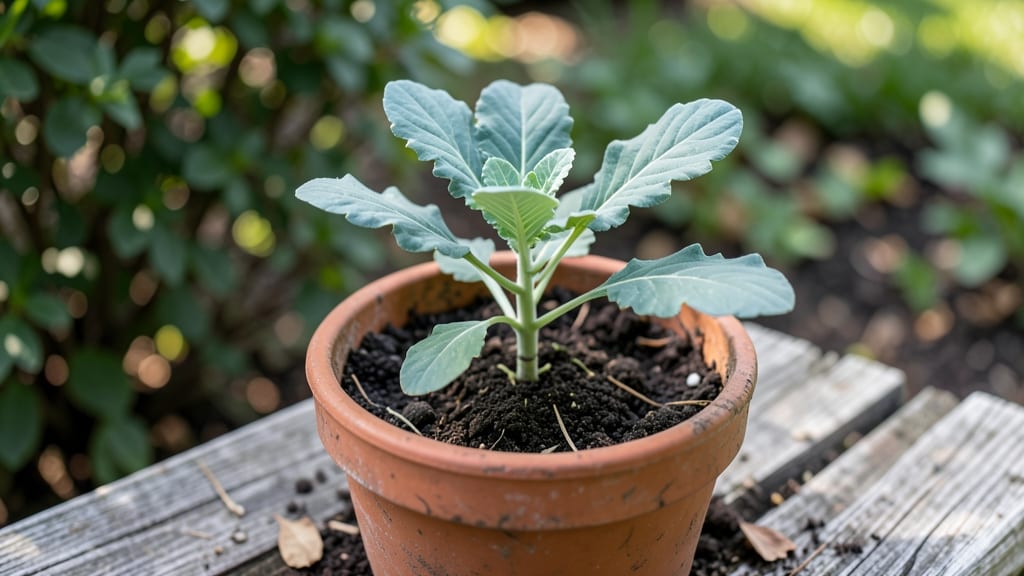
Collard seedlings look like tiny, round seed leaves (cotyledons) at first, which gradually transform into deep green, textured leaves with jagged edges. As they grow, their sturdy stems support broad leaves that resemble small cabbage leaves but stay more elongated.
When you first spot collard seedlings, they’ll start with those tiny, round cotyledons—think of them as the baby leaves that pop up right after planting. 🌱 These give way to true leaves within 2-3 weeks, which are darker green, slightly wrinkled, and have those distinctive serrated edges.
The key difference from other greens like kale is how collards keep their leaves more upright and elongated, almost like miniature cabbage leaves but with a smoother texture.
As seedlings mature, they’ll grow taller and bushier, with leaves reaching 3-6 inches long. The stems become thicker and more rigid, supporting those broad, dark green blades.
If you’re comparing them to mustard greens or kale, collard seedlings tend to stay more upright and less bushy, which helps them avoid common issues like mold in crowded trays.
💡 In This Article
- Collard Seedling Growth Stages by Leaf Development
- Tips for Identifying Healthy vs Weak Collard Seedlings
Collard seedling growth stages by leaf development
The journey of a collard seedling begins with the cotyledon stage, where two small, round leaves emerge from the soil within 5-7 days of planting.
These seed leaves are typically ½ inch wide and pale green to yellowish, acting as the plant's first food source until true leaves develop. 🌱 Unlike kale seedlings, which often show a slightly blue-green hue, collard cotyledons tend to be more uniform in color, with a smooth, almost waxy texture that helps conserve moisture in dry conditions.
By 2-3 weeks, the first true leaves appear—these are the real indicators of collard identity. They start as small, 1-inch-long ovals with slightly wrinkled edges and serrated (jagged) margins, resembling miniature cabbage leaves but with a more elongated shape.
The color deepens to a rich, dark green, often with a slightly bluish tint under direct sunlight, a trait shared with other brassicas like broccoli raab. At this stage, the stem remains thin but begins to stiffen, supporting the growing foliage.
As seedlings reach 4-6 weeks, they enter the mature phase, where leaves expand to 3-6 inches long and develop a thicker, more robust stem.
The foliage becomes broader and more textured, with veins running parallel along the leaf edges—a key difference from mustard greens, which tend to have a more lobed or frilly appearance.
The dark green color intensifies, often with a slightly glossy sheen when healthy, while the serrated edges become more pronounced, giving them a saw-toothed look that's unmistakably collard.
One fascinating detail is how collard seedlings handle light exposure. In low light, their leaves may appear slightly lighter green and more elongated, a survival mechanism to maximize photosynthesis.
However, if seedlings are crowded in trays, they'll stretch toward light sources, leading to weak stems and pale leaves—a common issue in indoor growing setups. 🌿 Proper spacing (2-3 inches apart) ensures even growth and prevents competition for nutrients, which directly impacts leaf color and texture.
Comparing collard seedlings to their brassica cousins reveals subtle but important differences. Kale seedlings, for example, often develop a more rounded leaf shape with a slightly rougher texture, while mustard greens tend to grow faster but with more delicate, almost translucent leaves.
Collards strike a balance—strong enough to thrive in cooler climates but with a refined leaf structure that makes them ideal for both home gardens and commercial production.
Understanding these growth stages helps gardeners anticipate when to transplant seedlings outdoors. Once they reach 4-6 inches tall with 4-6 true leaves, they're ready for the garden, where they'll continue developing their signature broad, dark green foliage.
The key is watching for that transition from cotyledons to true leaves—this is when collards truly begin to show their potential as a hardy, nutrient-rich green.