
Planting
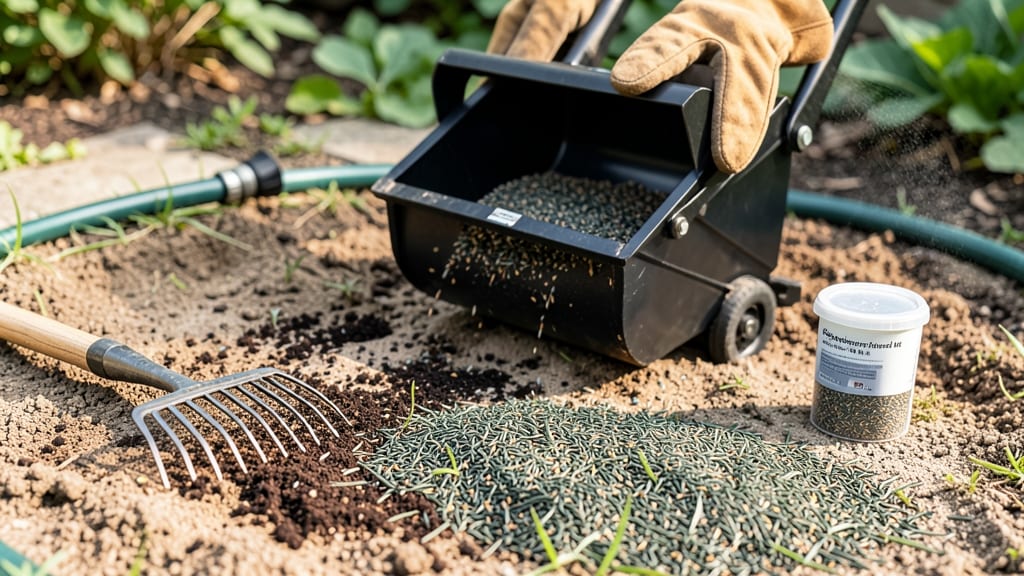
Sowing grass seed in fall creates roots that winterize like a pro—thicker, deeper, and ready to explode in spring. 🌱 I’ve seen bare patches transform into lush lawns just by timing the seed right, when cooler temps and fewer weeds give grass a fighting chance.
The secret? Start when soil stays above 50°F but nights dip near freezing—usually 4-6 weeks before first frost. Prep is everything: rake away debris, loosen compacted soil, and spread seed evenly in a light layer of compost.
Choose cool-season grasses like fescue or rye for northern climates, or Bermuda or zoysia in warmer zones. Water gently twice daily until germination—about 10-14 days—then taper to deep, infrequent soakings. The key? Consistency over saturation. By spring, you’ll have a lawn that outshines neighbors who waited until spring.
Roots established now survive drought and heat better, and weeds struggle to take hold. Just watch for frost timing—seed won’t sprout if temps drop too fast. A quick soil check with your finger tells you when it’s ready. This works for new lawns, patchy areas, or even shady spots.
The only real challenge? Timing. Too early, and weeds steal the show; too late, and frost halts growth. Get it right, and you’ll wonder why you didn’t do this years ago.
📚 In This Guide
- What you need
- Instructions
- Tips and common mistakes
- Wrapping up and next steps
What you need
- ● Grass seed: Choose a high-quality, cool-season blend (e.g., Kentucky bluegrass, fescue, or ryegrass). Aim for 5–10 lbs per 1,000 sq ft, depending on your lawn’s condition.
- ● Lawn soil: Topsoil or a compost mix (about ¼–½ inch depth) to improve seed-to-soil contact.
- ● Rake: A bow rake (for leveling) and a garden rake (for loosening soil).
- ● Spreaders: Broadcast spreader (for even seed distribution) or
- ● Drop spreader (for precision in smaller areas).
- ● Lawn roller: A 100–150 lb roller to press seed into the soil lightly.
- ● Water source: A hose with a gentle spray nozzle or a watering can (for spot watering).
- ● Fertilizer: A starter fertilizer (high in phosphorus, like 10-20-10) to kickstart growth.
- ● Soil test kit: To check pH and nutrient levels before planting.
- ● Seed germination mat: For bare-spot repairs or shady areas (keeps soil warm and moist).
- ● Erosion control blanket: For slopes or high-wind areas to protect newly sown seed.
- ● Gloves & knee pads: Because comfort matters—especially when you’re on your hands and knees!
Step-by-Step instructions for sowing grass seed in fall
Here's how I get a lush, weed-resistant lawn every season—just follow these simple steps.
🌱 Step 1: Prepare the Soil Before Sowing
Start by mowing your lawn as short as possible—this gives new seed direct contact with the soil. Remove any debris or thatch (the spongy layer between grass and soil) because thick thatch blocks seed-to-soil contact. If your lawn has bare spots, rake them gently to loosen the top inch of soil.
Test your soil's pH using a simple kit from a garden center. Ideal grass pH is 6.0 to 7.0. If it's off, add lime to raise pH or sulfur to lower it, following package instructions. This ensures your grass gets the nutrients it needs to establish strong roots before winter.
💧 Step 2: Spread Grass Seed Evenly
Use a broadcast spreader for large areas or hand-scatter small patches. Walk in opposite directions to avoid missing spots—think of it like painting a fence. For 4 servings (small lawns), spread 1 pound of seed per 100 square feet. Lightly rake the area again to press seed into the soil without burying it.
Don't skip this step—uneven seed distribution leads to patchy lawns. I like to walk backward while spreading to see where I've already covered. If you're overseeding, focus on thinning or bare areas rather than the entire lawn.
☀️ Step 3: Water Gently and Consistently
Water immediately after sowing to settle the seed into the soil. Keep the top inch moist for the first 2 weeks—this is critical for germination. Use a sprinkler that delivers a fine mist rather than a heavy downpour. Water 2-3 times daily for short durations (10-15 minutes each) to prevent washing away seed.
You'll know you're doing it right when the soil looks damp but not soggy. Once seedlings appear (usually 7-14 days), reduce watering to 1 inch per week, keeping the area moist but not waterlogged. Overwatering causes seed rot and fungal diseases.
✂️ Step 4: Maintain and Protect New Growth
Wait until new grass reaches 3-4 inches tall before mowing—this usually takes 4-6 weeks. When you mow, set the blade to 3 inches to encourage deep root growth. Avoid walking on new seedlings, as they're fragile and can uproot easily.
Fertilize lightly 6-8 weeks after sowing with a slow-release, low-nitrogen fertilizer (look for a 10-0-10 ratio). This helps roots establish without promoting top growth that can't survive winter. If frost threatens before roots are deep, cover the area with a thin layer of straw for insulation.
🌿 Step 5: Transition to Spring Care
By late fall, your grass should have 1-2 inches of roots—test by gently pulling a small patch. If it resists, you're ready for winter. In early spring, mow again at 3 inches and apply a balanced fertilizer (like 10-10-10) to support new growth. Avoid heavy foot traffic until the lawn is fully established.
Here's the thing—fall-sown grass is tougher by spring because it's already rooted. You'll see fewer bare spots and better weed resistance. Just remember: patience pays off. Don't rush the process, and you'll have a lawn that outlasts summer heat and winter freezes.
Tips & tricks for perfect fall grass seed sowing
Here's what I've learned after years of perfecting my fall lawn—these little details make all the difference.
Soil Prep Secret: In Step 1, don't just mow short—actually remove thatch down to the soil level. I use a stiff rake to pull up any stubborn thatch patches, especially in shaded areas where grass grows slower. This creates direct contact between seed and soil, which is critical for germination. The top inch should look loose and crumbly, not compacted.
Seed Distribution Technique: For Step 2, I double-check my coverage by walking backward after spreading. This helps me spot missed areas immediately. If you're using a broadcast spreader, set it to the recommended rate for your seed type—overlapping passes can lead to thick patches that choke out seedlings. For hand-scattering, use a grid pattern to ensure even distribution across the entire area.
Watering Wisdom: The 2-3 times daily watering in Step 3 can be tricky—set a timer on your sprinkler to run for exactly 10-15 minutes each time. Early morning watering (before 9 AM) is ideal because it gives seedlings time to dry slightly during the day, reducing fungal risks. I always check soil moisture by lifting a small patch of sod—if it feels damp but not soggy, you're doing it right.
Frost Protection Strategy: If frost threatens before your 6-8 week mark, cover new growth with a thin layer of straw (about 1/4 inch thick). This acts like a natural blanket without smothering the seedlings. I've used old hay or even shredded leaves in a pinch—just make sure it's not piled too thickly, which can cause rot. Remove the covering on warmer days to let sunlight reach the grass.
Pro Tips for Sowing Grass Seed In Fall
- Here's what I've learned after years of perfecting my fall lawn—these little details make all the difference.
- Soil Prep Secret: In Step 1, don't just mow short—actually remove thatch down to the soil level.
- Seed Distribution Technique: For Step 2, I double-check my coverage by walking backward after spreading.
Frequently asked questions
Got questions about sowing grass seed in the fall?
You’re not alone! Here are answers to the most common concerns—so you can tackle your lawn with confidence.
What’s the best time to sow grass seed in the fall?
For most regions, aim for late summer to early fall (around 4–6 weeks before the first frost). This gives seeds time to germinate and establish roots before winter. In warmer climates, you can extend this window until mid-fall—just avoid sowing when frost is imminent!
How long does it take for grass seed to grow in fall?
Germination typically takes 7–21 days, depending on temperature and seed type. Cool-season grasses (like fescue or ryegrass) thrive in fall’s mild weather, while warm-season grasses (like Bermuda) may struggle. Keep soil moist and expect visible growth in 3–6 weeks.
Do I need to water grass seed every day in fall?
Yes! Keep soil consistently moist (not soggy) for the first 2–3 weeks. Water lightly 2–3 times daily (early morning is best) to encourage germination. Once sprouts appear, reduce to 1 inch per week. A sprinkler or gentle hose stream works well—avoid heavy downpours.
Can I still sow grass seed if frost is coming soon?
If frost is within 2–3 weeks, hold off until spring. However, if temperatures stay above 40°F (4°C) at night, seeds may still germinate. For a quick fix, use winter ryegrass—it tolerates cold better than other varieties. Just cover seeds lightly with straw for extra protection.
What if my grass doesn’t grow evenly after sowing?
Uneven growth often stems from uneven seed distribution, soil compaction, or inconsistent moisture. Rake lightly after sowing to ensure good seed-to-soil contact, and consider a starter fertilizer to boost early growth. If bare spots persist, reseed those areas in spring.
Wrapping up and next steps
Sowing grass seed in the fall is a game-changer for a lush, resilient lawn—thanks to cooler temps and fewer weeds! 🌱 By following these steps, you’ll give your grass a head start for spring, ensuring deep roots and vibrant growth. Don’t wait until spring—fall is the perfect time to act!
Ready to transform your yard? Grab your supplies, pick the right seed, and get planting before the first frost. Your future lawn will thank you! 🌿