
Pests
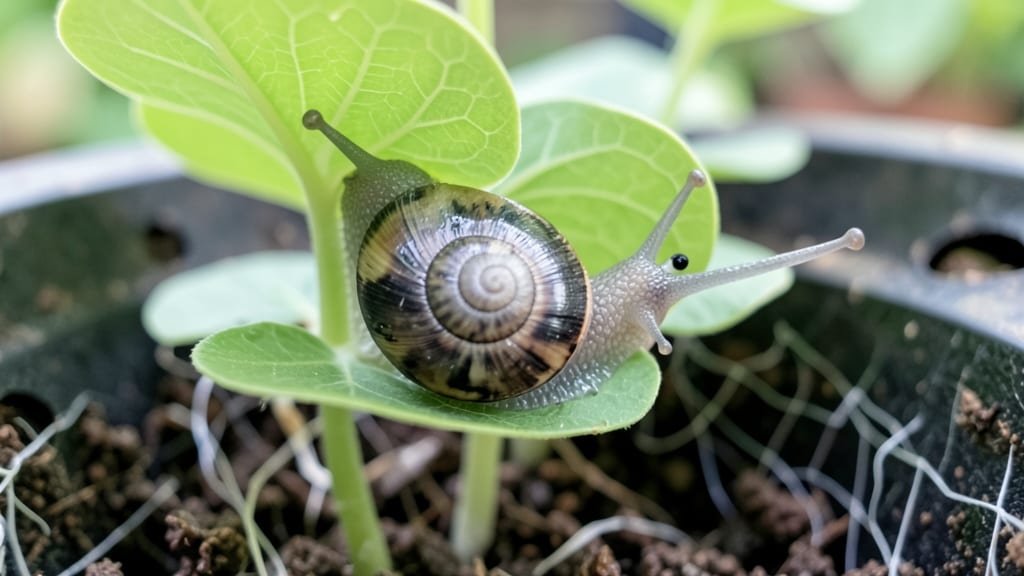
Starting seeds only to watch snails turn them into slime trails is the worst. 🐌 I’ve lost more seedlings to these slimy raiders than I’d like to admit, but I’ve also learned how to outsmart them before they even get started.
The key is combining physical barriers, natural deterrents, and smart placement—no chemicals needed. Most gardeners assume snails just show up after germination, but they’re actually drawn to moist seed-starting mix before any sprouts even appear.
A simple copper tape barrier around trays or a layer of coarse sand around outdoor seedbeds creates an invisible electric fence these pests can’t cross. I’ve also had success with diatomaceous earth, which dehydrates their slimy bodies without harming plants.
By the time your seedlings emerge, you’ll have a fortress they can’t breach. The first true leaves will push through unscathed, and you’ll finally get to enjoy that moment of triumph when your tiny plants peek through the soil. The best part?
These methods work for both indoor and outdoor starts. Here’s the game-changer: I’ve found that planting garlic or chives nearby confuses snails with their own scent, giving your seedlings an extra layer of protection.
It’s all about giving your young plants the head start they deserve—without turning your garden into a chemical battlefield.
Root Causes Of Seedling Snail Attacks
Understanding why snails and slugs target your seedlings is the first step to stopping them. These slimy pests don’t just appear out of nowhere—they’re drawn by specific conditions in your garden. Let’s break down the science behind their behavior and how your growing setup might be inviting them.
Snails and slugs thrive in damp environments because their soft bodies lose moisture quickly in dry air. If your seed-starting mix stays consistently soggy, you’re essentially rolling out the welcome mat for these pests.
- Why it happens: Seedlings need moisture, but excessive watering (or poor drainage) creates the perfect snail buffet. These creatures seek out soft, water-rich soil where they can feed and lay eggs. - Actionable fix: Use well-draining seed-starting mixes and water only when the top inch feels dry.
Elevate trays slightly to improve airflow and reduce humidity at soil level.
Young seedlings in a controlled environment often lack the predators that would normally keep snail populations in check. Birds, frogs, and ground beetles are absent in many indoor or greenhouse setups, leaving your tender sprouts vulnerable.
- Why it happens: In the wild, predators keep snail numbers balanced.
But in a seed tray or greenhouse, these natural defenses are missing, allowing snails to multiply unchecked. - Actionable fix: Introduce beneficial predators like nematodes (microscopic worms) or encourage birds by placing seed trays near bird-friendly areas. Even a few ducks or chickens can work wonders!
Snails are attracted to decomposing plant material because it’s an easy, nutrient-rich meal. Leftover seed husks, rotting mulch, or even old compost can signal a snack bar to them.
- Why it happens: As organic matter breaks down, it releases chemicals that snails detect from a distance.
If your seed trays have leftover debris or uneaten seeds, you’re basically advertising a free meal. - Actionable fix: Keep your seed-starting area clean—remove empty seed packets, fallen leaves, and any uneaten seeds. Use fresh, sterile potting mix to avoid attracting pests.
Snails prefer easy targets—young, tender seedlings are like all-you-can-eat salads to them. Stressed plants (from overcrowding, poor nutrition, or disease) are even more appealing because their weakened defenses make them easier to consume.
- Why it happens: Healthy plants produce compounds that deter pests, but stressed plants lose this protection. Snails can detect these vulnerabilities and zero in on the weakest links. - Actionable fix: Space seedlings properly for airflow, use balanced fertilizer, and avoid overwatering.
Stronger plants naturally resist pests better.
While snails aren’t directly repelled by light, seedlings grown in shady or low-light conditions often grow leggy and weak—making them prime targets. Additionally, darker areas provide hiding spots for snails during the day.
- Why it happens: Snails are nocturnal but seek shelter in damp, shaded areas during daylight. If your seedlings are under grow lights or in a dim corner, you’re creating a cozy hideout for them. - Actionable fix: Ensure seedlings get 12–16 hours of light daily.
If using natural light, place trays in bright, indirect sunlight. Avoid dense foliage that blocks airflow and creates snail-friendly microclimates.
Snails are cold-blooded and become more active in warm, humid conditions. If your seed-starting area has inconsistent temperatures (like a cold greenhouse at night and warm during the day), you’re creating the perfect snail paradise.
- Why it happens: Temperature swings can make soil conditions ideal for snail activity. They slow down in cold but become hyperactive in heat, especially when humidity is high. - Actionable fix: Use row covers or shade cloths to moderate temperature extremes.
Avoid overwatering to prevent excess humidity, and consider a small fan for better airflow.
Pro Tip: 💡 Snails leave behind telltale signs—silver slime trails, irregular holes in leaves, and chewed edges. If you spot these, act fast! The earlier you intervene, the less damage they’ll do.
Quick fixes for seedling slug attacks
Slugs and snails may seem like harmless garden visitors, but when they target your delicate seedlings, they can turn your snail seed-starting efforts into a frustrating battle. The good news? With the right strategies, you can stop the damage fast and protect your young plants.
Below, we’ve mapped out practical solutions for common issues—from immediate fixes to long-term prevention—so you can keep your seedlings thriving.
Fix: Set up beer traps or copper barriers to deter them.
- Beer traps: Bury a shallow container (like a yogurt cup) filled with beer just below soil level. Slugs are attracted to the yeast but drown—no harm to plants! Refresh every 2–3 days.
- Copper tape: Wrap copper foil or tape around seedling pots. Slugs get a mild electric shock when they cross it and avoid the area.
- Handpick at night: Use a flashlight after dusk to spot and relocate slugs to a far corner of your garden (or drop them in soapy water if you’re feeling bold).
Prevention tip: 💡 Mulch smartly—use gravel or coarse sand around seedlings instead of organic mulch, which slugs love to hide under.
Fix: Inspect for hidden damage and reinforce protection.
- Check for trails: Slugs leave silver slime trails—follow them to find and remove pests.
- Use diatomaceous earth (DE): Sprinkle food-grade DE lightly around seedlings. It’s non-toxic but deadly to slugs by dehydrating them.
- Erect physical barriers: Place crushed eggshells, wood ash, or sharp gravel around pots to create an impenetrable ring.
Prevention tip: ✨ Start seeds indoors until they’re 2–3 inches tall before transplanting—slugs are less likely to attack sturdier seedlings.
Fix: Disrupt their lifecycle with natural predators and soil checks.
- Encourage predators: Attract ground beetles, birds, and frogs by keeping a small water source nearby.
- Hand-remove eggs: Slug eggs are tiny, gel-like, and translucent. Check soil weekly and crush any you find.
- Rotate planting areas: Slugs return to familiar spots—mix up seedling locations to confuse them.
Prevention tip: 🔥 Avoid overwatering—slugs thrive in damp conditions. Water seedlings in the early morning so soil dries faster.
Fix: Use targeted, slug-specific baits if organic methods fail.
- Iron phosphate baits: Products like Sluggo are pet-safe and break down in soil.
- Avoid metaldehyde: Older slug pellets contain metaldehyde, which can harm pets and wildlife—stick to iron phosphate.
- Apply baits strategically: Place baits away from seedlings (slugs will crawl over them to reach your plants).
Prevention tip: 🎯 Test baits in small areas first to ensure they don’t attract other pests (like ants).
- Choose slug-resistant plants: Some seedlings (like marigolds, thyme, or snapdragons) naturally repel slugs.
- Plant in raised beds: Slugs struggle to climb, so elevate seedlings in containers or mounds.
- Keep garden tools clean: Slugs hitch rides—sterilize tools between uses to avoid spreading eggs.
By acting fast and combining immediate fixes with smart prevention, you’ll turn your snail seed-starting struggles into slug-free success. 🚀 The key is consistency—slugs won’t give up easily, but neither should you!
Frequently asked questions
Why do snails target seedlings instead of mature plants?
Snails prefer tender, young seedlings because they're easier to consume and less defended. Mature plants have tougher leaves and may produce natural repellents, while seedlings offer soft, nutrient-rich targets. Plus, snails can detect stressed or weak plants, making them prime snack options.
What's the fastest way to stop snails from damaging my seed trays?
Wrap your seed trays with copper tape—it creates a mild electric barrier snails avoid. For immediate relief, set up beer traps (bury a shallow container filled with beer) or sprinkle diatomaceous earth around the edges. These methods work within hours.
Can I use coffee grounds to keep snails away from my seedlings?
Yes, but with caution. Fresh coffee grounds can deter snails due to their strong scent, but they also acidify the soil over time. Use sparingly as a barrier around trays, and mix used grounds into compost instead of applying directly to seedlings.
Are there any plants that naturally repel snails from seed trays?
Plant garlic, chives, or marigolds around your seed trays—their strong scents confuse snails. You can also interplant thyme or rosemary, which snails dislike. These companion plants create a natural protective barrier without chemicals.
How do I know if snails are the real culprits damaging my seedlings?
Look for silver slime trails, irregular holes in leaves, or chewed edges—these are classic snail signs. Check under pots and along tray edges at night with a flashlight. If you find these clues, snails are likely your problem.