
Planting
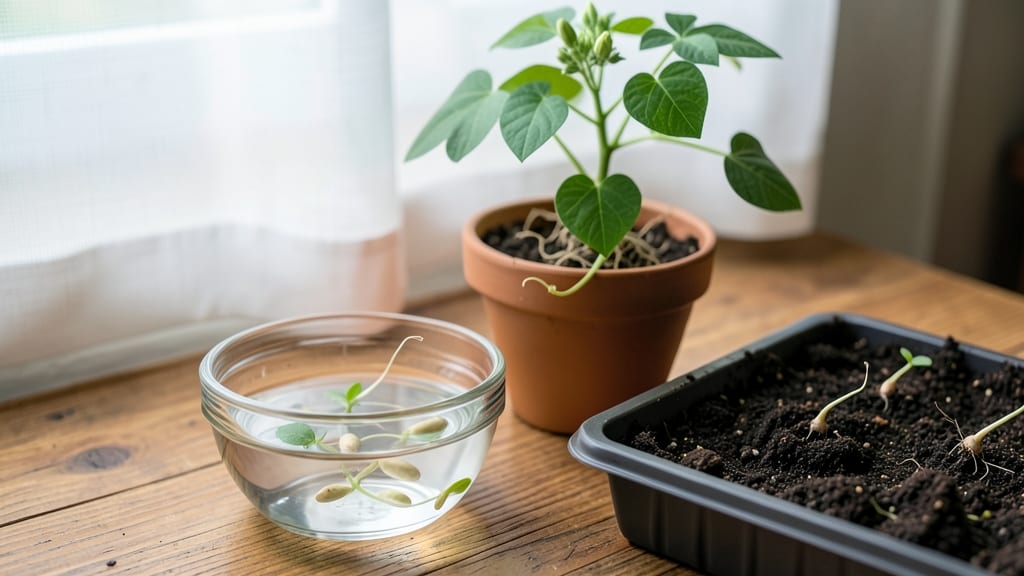
Soaking seeds before planting can speed up germination for hard-coated or slow-sprouting varieties like beans or peas, but it may harm delicate seeds or cause rot if overdone. Always test small batches first and follow species-specific guidelines.
Deciding whether to soak seeds depends entirely on the seed type. 🌱 For hard-shelled seeds like lentils or chickpeas, soaking for 8-12 hours softens the outer layer, allowing water to penetrate and kickstart growth.
However, tiny seeds such as marigolds or basil can absorb too much moisture and rot—soaking them is a recipe for disaster. I’ve found that even within the same plant family, like beans, some varieties handle soaking better than others.
Always check seed packets for specific instructions, as some seeds need a quick rinse while others benefit from overnight hydration.
Beyond germination speed, proper soaking technique matters just as much. Using lukewarm water (around 70°F) and a breathable container like a paper towel-lined jar helps prevent bacterial growth. After soaking, plant immediately—don’t let seeds sit in water for too long, or they’ll lose their viability.
For delicate flowers or herbs, I skip soaking entirely and rely on gentle watering after planting to avoid stressing the seeds.
💡 In This Article
- How Seed Soaking Affects Germination Rates
- Best Practices for Soaking Seeds by Plant Type
How seed soaking affects germination rates
Seed soaking works by breaking dormancy through hydration. Many seeds, especially hard-coated varieties like black-eyed peas or lentils, have impermeable outer layers that block water from reaching the embryo inside. When you soak these seeds, the outer shell softens and swells, allowing water to penetrate and trigger metabolic activity.
This process mimics natural conditions—like rain after a dry spell—that would otherwise take weeks to achieve. For example, a 12-hour soak in warm water can reduce germination time for chickpeas from 10-14 days to just 3-5 days.
The science gets interesting with oxygen levels. Seeds need both water and oxygen to germinate properly.
If you soak seeds in stagnant water, they’ll absorb too much moisture and suffocate, leading to rot or mold. 🌱 That’s why I always use a breathable container—a paper towel-lined jar or a mesh bag—so air can circulate.
The ideal soaking temperature is around 70-75°F, which speeds up enzymatic activity without cooking the seed. Cold water slows germination, while hot water can damage delicate embryos.
Over-soaking is a common mistake that backfires. After seeds absorb enough water to soften their coats (usually 6-12 hours depending on the type), they should be planted immediately. Letting them sit too long depletes their energy reserves.
I’ve seen seeds that looked perfectly hydrated after a 24-hour soak fail to sprout because their starch reserves were exhausted. The key is balance—enough hydration to break dormancy, but not so much that it starves the seed.
Not all seeds benefit from soaking. Tiny seeds like lettuce or petunia have thin, permeable coats that absorb moisture instantly. Forcing them to soak can cause them to swell and burst, ruining their viability.
Even within the same plant family, like beans, some varieties (like kidney beans) handle soaking better than others (like scarlet runner beans). Always research your specific seed type—some even require scarification (scratching the coat) instead of soaking.
Another factor is seed age. Older seeds have weaker embryos and are more vulnerable to over-soaking. Fresh seeds from the current season often germinate faster with minimal hydration, while last year’s seeds may need that extra 8-hour soak to wake up.
I keep a log of my seed batches and mark which ones respond best to soaking—it’s saved me from wasted efforts on stubborn varieties.
For visual learners, imagine this: A dry seed is like a sleeping bear in hibernation. Soaking is the gentle nudge that wakes it up, but if you shake it too hard or leave it in the water too long, the bear might never wake—or worse, drown.
The goal is to give it just enough moisture to stretch and yawn, then plant it in cozy, well-drained soil where it can grow strong. 🌱