
Lawn
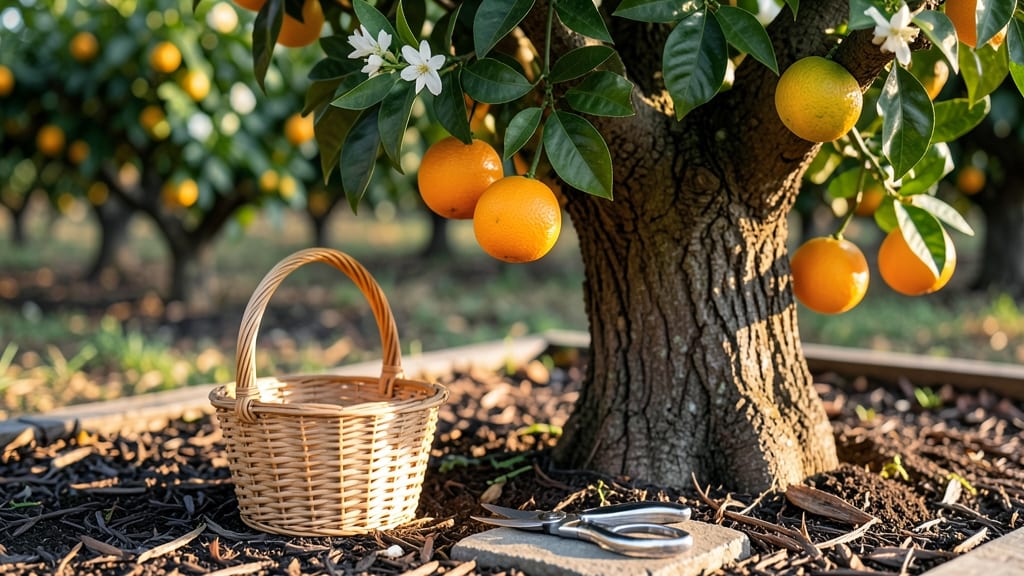
That tiny orange seed in your hand could grow into a fragrant citrus tree—if you give it the right start. 🌱 I’ve nursed citrus from seed to sapling, and the key isn’t just patience, but mimicking the Mediterranean climate they crave indoors.
Most people quit when growth stalls, but with the right soil, light, and watering rhythm, you’ll see those first true leaves in just 3-4 weeks.
The trick is keeping roots warm and soil consistently moist (but never soggy) while blocking drafts. I use a clear plastic dome over seedlings to trap humidity, and a heat mat underneath the pot cuts germination time by nearly half.
Citrus seeds germinate slowly—sometimes 3-6 weeks—so resist the urge to overwater or move them too soon. Once sprouted, place them in the sunniest window (south-facing is ideal) or under a grow light for 12+ hours daily.
By year one, you’ll have a 2-foot sapling with glossy leaves, though fruit won’t appear for 5-10 years—if ever. Seed-grown citrus rarely bears fruit like grafted trees, but the journey is rewarding.
The real payoff? A hardy plant that thrives in containers, perfect for patios or bright indoor corners. Here’s how to keep it alive through every stage.
Cold snaps are the biggest threat, so bring potted citrus inside before temps drop below 40°F. With proper care, your seedling could outlive you—and become the centerpiece of your garden. Let’s get those roots growing strong.
Root Stress Behind Stubborn Seeds
Cold-stressed roots can leave you holding an orange seed in hand—literally—because the plant’s energy is focused on survival, not growth. When lawn seeds struggle to germinate in chilly conditions, it’s often due to biological, environmental, or mechanical factors that disrupt their natural development.
Below, we break down the key reasons why seeds fail to sprout despite your best efforts.
Some seeds enter a natural dormancy phase when exposed to cold temperatures, delaying germination until conditions improve.
This is especially true for: - Cool-season grasses (like fescue or ryegrass), which may pause growth if soil temps drop below 50°F (10°C). - Seed coatings or hard seed shells (common in some varieties) that require moisture + warmth to soften and allow root penetration. - Hormonal shifts—cold stress can trigger the production of abscisic acid (ABA), a plant hormone that halts growth until safer conditions return.
Actionable fix: If you’re planting in early spring or fall, use a seed starter fertilizer (with gibberellins) to break dormancy or pre-soak seeds in warm water for 12–24 hours before planting.
Seeds need consistent warmth (typically 60–75°F / 15–24°C) to activate enzymes that break down stored nutrients.
If the ground stays too cold: - Enzymes like amylase (which convert starches to energy) become inactive, starving the embryo. - Microorganisms in the soil that aid decomposition slow down, reducing nutrient availability. - Water uptake is sluggish—cold soil holds moisture poorly, leading to desiccation before roots can form.
Actionable fix: Use a soil thermometer to check depth (1–2 inches). If temps are below 55°F (13°C), wait or cover seeds with black plastic mulch to absorb sunlight and raise heat.
Cold soil doesn’t just slow growth—it disrupts water dynamics in critical ways:
- Frozen or compacted soil prevents seeds from making proper contact with moisture, leading to premature drying.
- Excessive evaporation occurs if seeds are planted too shallowly in cold, windy conditions.
- Osmotic stress—when soil water freezes, it creates high-salt concentrations around the seed, drawing out moisture and dehydrating the embryo.
Actionable fix:
- Deep-water seeds (½ inch below soil) to shield them from surface evaporation.
- Use a sprinkler with a gentle mist (not a heavy downpour) to avoid displacing seeds.
- Avoid planting after frost—wait until soil temps stabilize for 48+ hours.
Cold, wet conditions can physically block seedling emergence:
- Clay or compacted soil resists root penetration, causing seeds to rot before sprouting.
- Fungal pathogens (like Pythium) thrive in cold, damp soil, attacking germinating seeds.
- Weed competition—some weeds (like crabgrass) germinate faster in warm-up periods, stealing nutrients from your lawn seeds.
Actionable fix:
- Aerate compacted soil before planting to improve drainage.
- Apply a pre-emergent fungicide (like BioAdvanced Fungus Control) if your area is prone to damp rot.
- Plant when soil is workably moist (squeeze a handful—it should hold shape but not be soggy).
Even hardy seeds can fail if planted at the wrong life stage relative to cold:
- Too early in spring—frost can kill tender shoots before they emerge.
- Too late in fall—seeds may not have enough photosynthesis time to store energy for winter.
- Sudden temperature swings (e.g., a warm spell followed by a freeze) confuse the seed’s internal clock, halting germination.
Actionable fix:
- Follow the "3-after" rule: Plant 3 weeks after your last frost date (for spring) or 3 weeks before first frost (for fall).
- Use a frost blanket if planting in borderline conditions to buffer temperature shifts.
- Choose cold-tolerant varieties (like tall fescue or perennial ryegrass) if your climate has unpredictable cold snaps.
Reviving Cold-Stressed Lawn Roots
When your lawn’s roots seem stuck in a frozen state—like that stubborn orange seed in hand that refuses to sprout—don’t panic. Cold stress is often temporary, and with the right steps, you can coax your grass back to life.
Below, we break down practical fixes for each common cause of cold-stressed roots, plus prevention tips to keep your lawn thriving year-round.
Cause: Compacted or waterlogged soil traps cold, slowing root growth.
Solution:
- Aerate the lawn (🔥 Best time: Early spring or fall).
- Rent a core aerator to pull small soil plugs (1/2-inch wide, 2-3 inches deep).
- Focus on high-traffic areas where soil is most compacted.
- Add organic matter (🍳 Mix in compost or peat moss).
- Spread a ¼-inch layer over the lawn, then lightly rake in.
- This improves drainage and warms soil faster.
- Test soil moisture (🌡️ Use a screwdriver).
- If water pools after rain, amend with sand or perlite (10% of soil volume).
Prevention Tip: ✨ Mulch with straw or leaves in winter to insulate roots and reduce freeze-thaw cycles.
Cause: Slow-warming soil delays germination or root development.
Solution:
- Use black plastic mulch (👨🍳 Lay sheets in spring).
- Cover bare spots for 2–3 weeks to absorb sunlight and raise soil temps by 5–10°F.
- Remove before seeding to avoid overheating.
- Plant warm-season grass in late spring (⏰ After frost risk passes).
- Varieties like Bermuda or Zoysia tolerate heat better once roots establish.
- Avoid heavy watering (💧 Water deeply but infrequently).
- Overwatering cools soil; let the top inch dry between sessions.
Pro Tip: 💡 Try a soil thermometer—ideal temps for germination are 60–75°F.
Cause: Freshly planted seeds or young grass can’t handle sudden cold snaps.
Solution:
- Use frost blankets (🛡️ Lightweight row covers work).
- Drape over seeded areas at night; remove by midday.
- Choose cold-hardy seed mixes (❄️ Look for "winter-hardy" labels).
- Tall fescue or perennial ryegrass survive down to 15°F.
- Delay spring seeding (⏳ Wait until soil is consistently above 50°F).
- Check local frost dates—don’t rush!
Prevention Tip: ✨ Plant in fall (6–8 weeks before first frost) for deeper, frost-resistant roots.
Cause: Repeated freezing and thawing weakens roots, leading to patchy lawns.
Solution:
- Overseed bare spots (🌱 Use a spreader for even coverage).
- Choose seed matched to your existing grass type.
- Apply a slow-release fertilizer (💪 High in phosphorus for root growth).
- Look for 5-10-10 or 10-20-20 ratios.
- Limit foot traffic (🚫 Keep pets/children off new growth).
- Roots need 4–6 weeks to establish.
Pro Tip: 🔥 Top-dress with compost to shield roots and improve resilience.
Final Reminder: Cold stress is temporary—patience and soil prep are your best tools. Start with drainage fixes, then focus on warmth and protection. By next season, your lawn will be hardier than ever! 🌿
Frequently asked questions about growing from an orange seed
How do I know if my orange seed will grow into a fruit-bearing tree?
Most orange seeds grown from home produce trees that rarely bear edible fruit—they may flower but the fruit is often small, seedy, or bitter. These trees are prized for their ornamental value and fragrant blossoms rather than harvest. For fruit production, grafted citrus trees are the way to go.
What’s the fastest way to germinate an orange seed?
Soak the seed in warm water for 12-24 hours first, then plant it ½ inch deep in moist potting mix. Use a heat mat (set to 75-80°F) to speed germination—this can cut wait time from 6 weeks to just 2-3 weeks. Place in bright, indirect light and keep soil consistently damp (not soggy).
Why did my orange seedling turn yellow and drop leaves?
Yellowing leaves usually signal overwatering, poor drainage, or sudden temperature changes. Citrus hate soggy roots—let the top inch of soil dry between waterings. Check for root rot by gently removing the plant: mushy, black roots mean you’re overwatering. Also ensure it gets 6+ hours of sunlight daily—low light causes weak growth.
Can I grow an orange tree indoors successfully?
Yes! Place your potted citrus near a south-facing window or under a grow light for 12+ hours daily. Use a well-draining potting mix (add perlite or sand) and a pot with drainage holes. Keep humidity high with a pebble tray or misting, and fertilize lightly every 2 months with citrus-specific fertilizer. Expect slower growth indoors but healthy foliage.
How long until my orange seed tree blooms or fruits?
Seed-grown citrus typically take 5-10 years to bloom, and even longer to produce fruit—if at all. The first flowers may appear in 3-5 years, but fruit development requires full sun, proper care, and often cross-pollination. Grafted trees bear fruit much faster (2-4 years), but they’re more reliable for harvests.