
Lawn
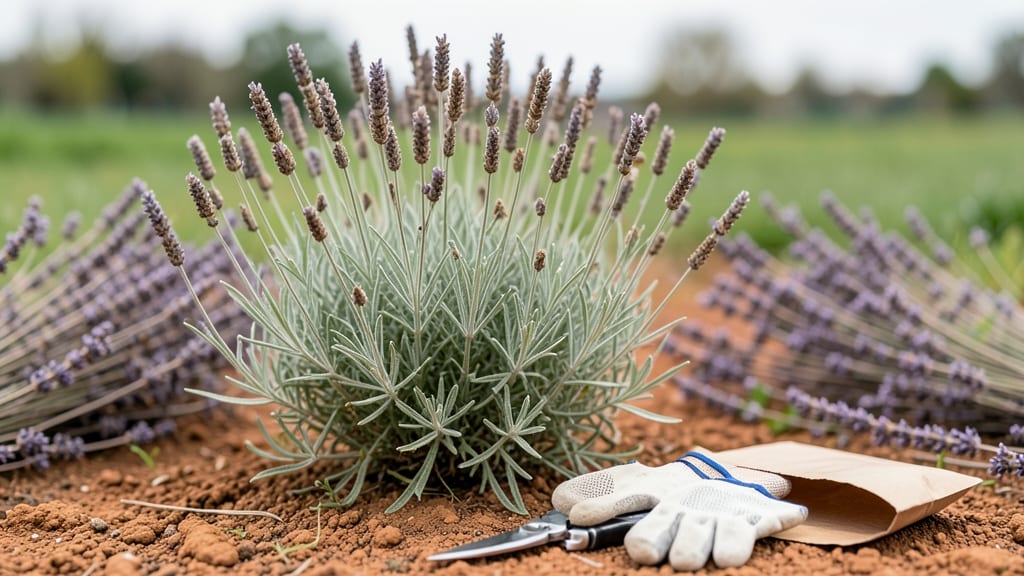
Growing lavender from seed pods means you’ll have fragrant, drought-tolerant plants in just 60 days—if you do cold stratification right. 🌱 I’ve learned the hard way that skipping this step means waiting years for germination, but once you master it, lavender seeds sprout reliably every time.
The secret starts with harvesting mature seed pods—those brown, papery ones that form after flowering—then drying them completely to prevent mold. Store them in a cool, dark place until planting season, and you’ll be ready to stratify them for maximum success.
When spring arrives, you’ll plant them in well-draining soil, keep them moist but not soggy, and watch as tiny green shoots emerge within 3-4 weeks. The scent alone makes it worth the effort, but the hardy plants will reward you for years.
This method works for any lavender variety, from English lavender to Spanish lavender, and even thrives in containers. Here’s exactly how to do it without the guesswork.
📚 In This Guide
- What you need
- Instructions
- Tips and common mistakes
- Wrapping up and next steps
What you need
- ● Lavender seed pods: 1–2 pods (ensure they’re fully dried and brown for best viability).
- ● Cold-stratification supplies: 1 small paper towel or coffee filter
- ● 1 resealable plastic bag (quart-sized)
- ● 1 cup distilled water (or tap water at room temp)
- ● Growing medium: 1 small seed tray or 4-inch pots (2–4 total)
- ● 1 bag well-draining potting mix (look for "cactus/succulent mix" or add perlite/sand for drainage)
- ● Basic tools: 1 pair fine-tip tweezers (for handling tiny seeds)
- ● 1 spray bottle (for gentle watering)
- ○ 1 humidity dome or plastic wrap (optional, for extra moisture)
- ● Grow lights or a sunny windowsill (south-facing is ideal)
- ● Heat mat (if your home runs cold, ~60–70°F is perfect for germination)
- ● Liquid seaweed fertilizer (diluted to half-strength for seedlings)
- ● Label markers (to track seed pods and varieties)
Step-by-step instructions for growing lavender from seed pods
Cold stratification is lavender's secret weapon—here's how to break dormancy in just 60 days.
🌱 Step 1: Harvest and Prepare Mature Seed Pods
Collect fully brown, papery seed pods from established lavender plants in late summer or early fall. The pods should open easily when squeezed—this means seeds are mature and ready. I like to harvest on a dry morning when the pods are crisp; this prevents mold during storage.
Place the pods in a paper bag and store them in a cool, dry place for 2-3 weeks. This mimics natural drying conditions and helps prevent premature germination. Shake the bag occasionally to release seeds naturally—don't force them open, or you'll damage the delicate seed coats.
💧 Step 2: Cold-Stratify Seeds for 60 Days
Fill a plastic container with dampened peat moss or coconut coir (keep it moist but not soggy). Spread the lavender seeds evenly over the surface, then cover them with an additional ½ inch of the same medium. This protects them from drying out during stratification.
Seal the container with a lid or plastic wrap and place it in your refrigerator's crisper drawer. Lavender seeds need 40-50°F for 60 days to break dormancy. Check the moisture every 2 weeks—spritz lightly if the medium feels dry to the touch. You'll know stratification worked when tiny roots appear through the mesh or when seeds swell slightly.
☀️ Step 3: Sow Stratified Seeds in Containers
Fill small pots (at least 3 inches deep) with a mix of 50% potting soil and 50% perlite. This ensures excellent drainage—lavender hates soggy roots. Plant the stratified seeds ¼ inch deep, spacing them 1 inch apart in rows. I use a toothpick to poke tiny holes for each seed, then drop them in one by one.
Cover the pots with plastic wrap to maintain humidity, then place them in a warm spot (around 70°F) with bright, indirect light. Germination can take 2-4 weeks, so be patient. You'll see the first true leaves appear as small, fuzzy green points—this is your signal to remove the plastic wrap immediately and increase light exposure.
🌿 Step 4: Harden Off and Transplant Seedlings
Once seedlings have 3-4 sets of true leaves (usually after 8-10 weeks from sowing), it's time to harden them off. Start by moving pots outside for 1 hour daily in a sheltered spot, gradually increasing exposure over 10-14 days. This prepares them for outdoor conditions without shock.
Transplant to their permanent location in well-draining soil with full sun exposure. Space seedlings 18-24 inches apart to allow for mature growth. Water deeply after transplanting, but avoid wetting the foliage—lavender is prone to fungal issues when kept too moist. You'll notice new growth within 2-3 weeks if conditions are right.
Tips & tricks for perfect lavender seed pod germination
These practical insights will help you maximize your lavender seed success without the guesswork.
The Harvesting Secret: I've learned the hard way that timing matters when harvesting seed pods. Aim for pods that are fully brown and papery—any green or partially brown pods won't yield viable seeds. The key is to harvest them on a dry morning when the pods are crisp. This prevents mold during storage and ensures you're collecting mature seeds ready for germination. Confession: I skipped this step for years and wondered why my germination rates were so low!
Stratification Success: The 60-day cold stratification period at 40-50°F is non-negotiable for lavender seeds. I recommend using a clear container so you can easily monitor moisture levels and seed activity without opening it. The slight swelling of seeds or appearance of tiny roots through the mesh are your confirmation that stratification is working. Real talk: If you're impatient, don't cut the stratification time—it's the critical step that mimics lavender's natural winter dormancy period.
Sowing Strategy: When sowing your stratified seeds in Step 3, I've found that using a toothpick to create tiny planting holes makes all the difference. This prevents seeds from sinking too deep or getting buried under soil. The ¼-inch depth and 1-inch spacing are perfect for allowing young lavender plants room to grow without competing. Don't skip the perlite in your soil mix—it's what prevents those dreaded soggy roots that lavender absolutely hates.
Germination Patience: The 2-4 week germination window can feel like an eternity, but trust me on this. The first true leaves will appear as fuzzy green points—this is your signal to remove the plastic wrap immediately. I've seen beginners remove the wrap too early, causing seeds to dry out before germination. Once you see those fuzzy leaves, move your pots to bright, indirect light right away to encourage strong growth.
Pro Tips for Lavender Seed Pods
- These practical insights will help you maximize your lavender seed success without the guesswork.
- The Harvesting Secret: I've learned the hard way that timing matters when harvesting seed pods.
- Stratification Success: The 60-day cold stratification period at 40-50°F is non-negotiable for lavender seeds.
Frequently asked questions
Got questions about growing lavender seed pods?
You’re not alone! Here are answers to the most common queries—from timing to troubleshooting—to help you succeed with your cold-stratified lavender seeds.
How long do lavender seed pods take to germinate after cold stratification?
After 60 days of cold stratification, lavender seed pods typically germinate within 14–30 days once planted in warm, well-draining soil. Patience is key—some varieties may take longer, especially if soil temperatures are below 60°F (15°C). Keep the soil moist but not soggy for best results!
Can I skip cold stratification and still grow lavender from seed pods?
Cold stratification mimics winter conditions and breaks seed dormancy, making it highly recommended for lavender. Without it, germination rates drop drastically (often below 10%). If you’re short on time, try soaking seeds in warm water for 24 hours before stratification—but expect slower or uneven sprouting.
What’s the best soil mix for lavender seed pods after germination?
Use a fast-draining mix like:
- 60% sandy or gritty potting soil
- 30% perlite or coarse sand
- 10% compost or worm castings (for nutrients)
Why aren’t my lavender seed pods sprouting after stratification?
Common culprits include:
- Improper stratification: Ensure seeds spent all 60 days in a moist, cold (33–41°F/0–5°C) environment.
- Poor planting depth: Seeds need light—press them just below the soil surface (no deeper than ¼ inch).
- Temperature shock: Avoid planting in cold soil (<50°F/10°C). Wait until night temps stay above 55°F (13°C).
- Old seeds: Lavender seeds lose viability quickly; use fresh pods (<1 year old).
How do I harvest lavender seed pods for planting?
Wait until pods turn brown and papery (late summer/early fall). Gently twist or cut them off the stem—don’t crush them! Open the pods to release seeds, then store them in a paper envelope (not plastic) in a cool, dry place until stratification. Pro tip: Label pods by variety if possible!
Wrapping up and next steps
Growing lavender from seed pods is a rewarding journey that unlocks the fragrant beauty of this beloved herb—no matter your green thumb level! 🌱 With just 60 days of cold stratification, you’ve got everything you need to nurture these delicate seeds into thriving plants.
Whether you’re drawn to their calming scent, drought-resistant charm, or culinary uses, your patience will soon bloom into lush lavender bushes.
Ready to dive in? Start by gathering your supplies—then follow the steps with confidence. Before you know it, you’ll be harvesting your own lavender seed pods to share with friends or enjoy in homemade remedies. Happy gardening! 🌿✨